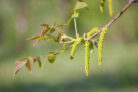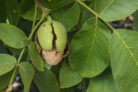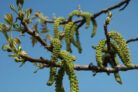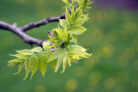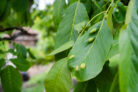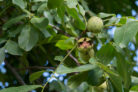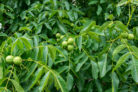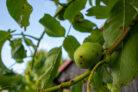
Walnut trees are absolute favorites in the garden, mostly because they gift us those delicious, heart-healthy nuts. But did you know that those walnuts only happen if the pollination timing is just right? The catch is that a walnut tree often blooms for only a few days a year, and the timing can be a bit of a moving target depending on which flowers we’re talking about.
A Tale of Two Blooms: Male vs. Female Flowers
Walnut trees are pretty unique because they grow both male and female flowers on the same tree. However, they don’t usually show up to the party at the same time! Typically, the male catkins kick things off first, with the female flowers following about three to four weeks later. Because they develop at different speeds, their peak blooming periods don’t always perfectly align.
Generally speaking, you can expect your walnut tree to bloom in May. That said, it’s totally normal for that window to shift earlier or later. Mother Nature plays a big role here—weather patterns and temperature swings can easily push the schedule by several weeks. Sometimes, if the timing is just right, the male and female bloom periods will overlap, which is exactly what you want for a great harvest!
How Long Does the Blooming Last?
The actual duration of the flowering season depends heavily on the weather. Here’s the rule of thumb:
- Warm, sunny weather: The bloom might be over in just a few short days.
- Cold, wet weather: The process slows down significantly, and the blooming period can stretch out for several weeks or even a full month.
Patience is Key: When Will My Tree First Bloom?
If you’ve just planted a walnut tree, don’t expect a harvest right away. It can actually take up to 15 years for a tree to produce its very first flower! While the exact timing depends on the specific variety, many trees need a good 10 to 15 years to mature.
This long wait is mostly common with trees grown from seeds (seedlings). If you’re looking for faster results, “cultivars” or grafted varieties are bred specifically for production and will usually start flowering much sooner—typically within four to six years.
What if My Tree Doesn’t Bloom?
Every once in a while, a walnut tree might skip a season entirely. The most common culprit? A late spring frost. If a cold snap hits at the wrong time, the delicate buds and shoots can freeze, preventing flowers from forming at all. The good news is that as long as the tree itself wasn’t permanently damaged, it should bounce back and bloom again the following year.