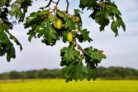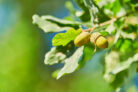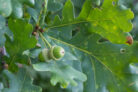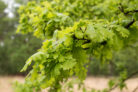
Most of us are familiar with acorns, but surprisingly few people have actually seen an oak tree in bloom. Of course, you can’t get those iconic acorns without flowers first! The blooming window is actually pretty short, so if you want to catch it, you have to know what to look for. Here’s the lowdown on when and how oak trees flower.
When do oak trees first start blooming?
If you’ve just planted a young oak in your yard, don’t hold your breath for flowers just yet. These trees take their time. An oak tree won’t bloom until it reaches a certain level of maturity because it simply can’t juggle rapid growth and seed production at the same time. In the beginning, all that energy goes straight into establishing a strong root system and a healthy canopy.
In fact, an oak might spend its first 70 years just focusing on getting big and strong! Only once the roots and crown are sturdy enough will the tree try its hand at flowering. Pro tip: if you’ve picked a great spot for your tree with ideal conditions, it’ll likely reach this milestone much faster than a tree struggling in poor soil.
Once an oak is old enough to flower, it happens in the spring. Usually, the blooms emerge in May right along with the leaves. Depending on how early or late spring arrives, you might see them as early as April or as late as June. Once your oak starts blooming, you can expect it to happen much more regularly.
What do oak flowers actually look like?
Oak trees are “monoecious,” which is just a fancy botanical way of saying that both male and female flowers grow on the same tree. Even though they share a branch, they look completely different from one another.
Here is how to tell them apart:
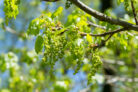
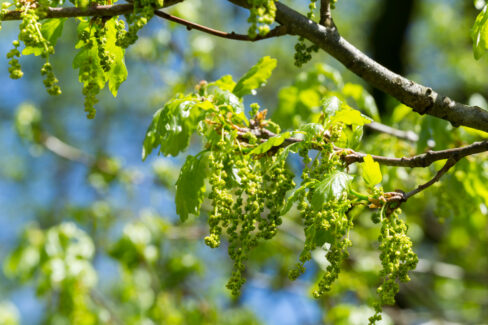
- Male flowers: Drooping green catkins
- Female flowers: Tiny green spikes with red tips
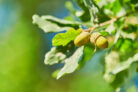
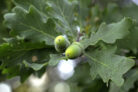
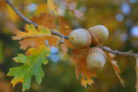
The male flowers are the ones you’ll notice first. They look like long, fuzzy green strings (catkins) hanging down from the twigs. The female flowers, on the other hand, are tiny and easy to miss if you aren’t looking closely. They look like small green shoots tipped with little red dots. These tiny red-tipped flowers are actually what will eventually turn into the acorns we all know and love!