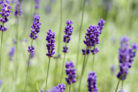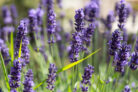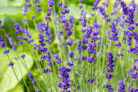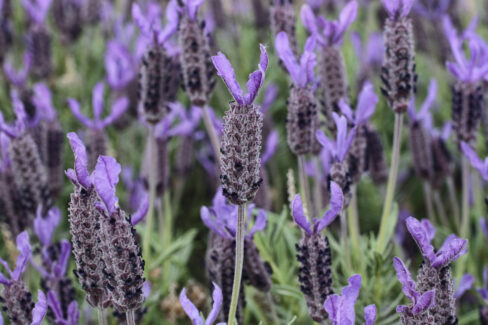
Did you know there are about 30 different species of lavender out there? It’s a huge family! Seven of those varieties still grow wild across the Mediterranean, which is where this fragrant herb originally calls home. Because it started out in the Mediterranean mountains, different types of lavender evolved to thrive at specific altitudes.
Where Lavender Grows in the Wild
Most of the lavender we plant in our backyards today is the result of careful breeding, but it all started with three main wild species. English lavender, French (Topped) lavender, and Spike lavender are the “originals.” In the dry, rocky regions of the Mediterranean, these plants find the perfect conditions to burst into bloom all on their own, even in pretty poor soil.
In places like the U.S. or Central Europe, you’ll mostly see English lavender spreading naturally. However, if you head further south to Southern Europe, North Africa, or even parts of India, the wild variety is much more diverse. If you ever spot “wild” lavender growing in a local park or forest in a cooler climate, it’s usually because a gardener planted it there once upon a time and it decided to make itself at home!
Where Can You Find Wild English Lavender?
English lavender originally grew high up in the mountains. Because of those roots, the plant is actually quite tough and can handle the chilly temperatures found at high altitudes. You can find wild English lavender growing anywhere from 2,000 to over 5,000 feet above sea level! Because of this, people sometimes call it “Mountain Lavender” or “Wild Lavender.”
Here is where you’ll find the other heavy hitters in the wild:
- French Lavender (Schopflavendel) loves the coastal breezes of Southwestern Europe.
- Spike Lavender is a bit more sensitive to frost and sticks to the warmer Western Mediterranean regions.
In the wild, lavender thrives in sunny spots with rocky, nutrient-poor soil. Since English lavender is so cold-hardy, it’s the perfect candidate for naturalizing in many gardens. If you happen to find a patch of it, you can even try transplanting a bit or taking a cutting. It’s so low-maintenance that it’ll even grow happily in a simple gravel bed!