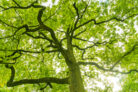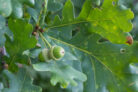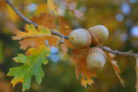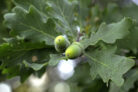
Oaks are some of the oldest trees to ever grace our planet, and you can find them growing on almost every continent. Here in North America, we’re lucky to have a massive variety of these majestic giants, but they are just as iconic across the pond in Europe. Let’s dive into which species grow where and what makes them so special.
Common Oak Varieties You’ll Encounter
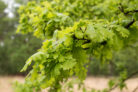
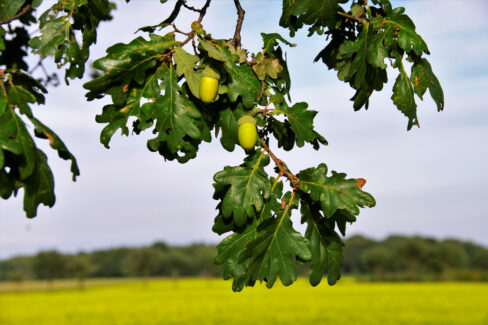
In Germany and throughout much of Europe, the English Oak (also known as the pedunculate oak) is the star of the show. This tree is incredibly hardy and has been a staple of the landscape since the days of the Celts. Carpenters absolutely love its sturdy wood, using it for everything from high-end furniture to structural beams.
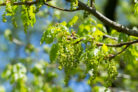
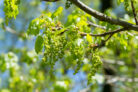
Another European favorite is the Sessile Oak. You can usually spot this one by its unique flower clusters, though it’s not quite as widespread as the English Oak. Then we have the Red Oak—a familiar face for us Americans! As the name suggests, you can identify it by its stunning red foliage in the fall. We also can’t forget the White Oak, a versatile beauty that thrives in both North American and European soil.
Where Oaks Thrive and How They Grow
Oak trees are famous for being tough as nails. Because they aren’t overly picky and are generally resistant to diseases, they can spread quickly across various climates. As long as the air is clean and they have the right nutrients and moisture, these trees will eventually grow into magnificent, towering giants.
Here’s what an oak tree needs to really take off:
- Nutrient-rich soil
- Consistent moisture (but definitely no “wet feet” or standing water)
- Clean air and plenty of elbow room to spread out
When the conditions are right, oaks will flourish. However, environmental pollution has led to a phenomenon known as “oak decline,” which has unfortunately thinned out some populations. In places like Germany, the oak is more than just a tree—it’s a cultural icon, with its leaves and sturdy shape representing strength and endurance.
An oak tree can live for over 1,000 years, which means if you plant an oak today, it’s going to be around long after we’re gone! Plus, the massive root system of a mature oak allows it to tap into deep water reserves, helping it stay hydrated even during a dry summer spell.