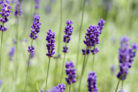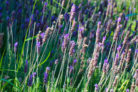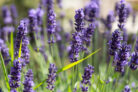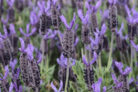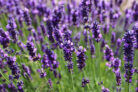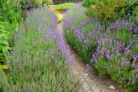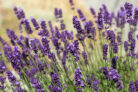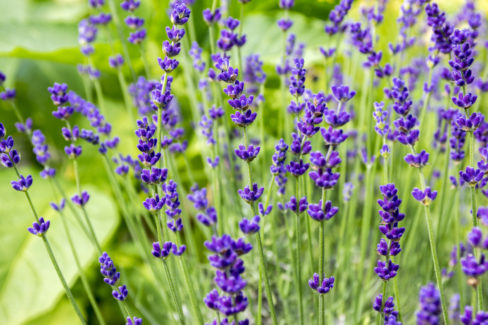
For thousands of years, English Lavender has been one of the most prized plants in the world, loved for both its flavor in the kitchen and its incredible healing properties. But here’s a little secret: finding “true” lavender in the wild is actually getting pretty rare. These days, most of what we see are specially bred cultivars and hybrids.
If you want to make sure you’re getting the real deal for your garden or your home apothecary, you need to know what to look for. Let’s dive into how you can spot the real thing!
English Lavender (Lavandula angustifolia) vs. Lavandin
The biggest “imposter” out there is a hybrid called Lavandin. It looks incredibly similar to English Lavender (botanically known as *Lavandula angustifolia*), but there’s a catch: unlike the real thing, Lavandin isn’t great for cooking or medicinal use.
Lavandin is actually a cross between English Lavender and Spike Lavender (*Lavandula latifolia*). This is the stuff you usually see in those endless, picturesque purple fields in Tuscany or Provence because it grows fast and looks great. However, because it’s a hybrid, it doesn’t grow wild—you’ll only find it where someone has specifically planted it.
How to Spot the Difference: English Lavender vs. Lavandin
Both of these plants are hardy little shrubs that produce those iconic, fragrant purple flower spikes we all love from June through July. But if you look closely, there are some dead giveaways to tell them apart, specifically in their height and their leaves.
While Lavandin usually tops out at about 20 inches (50 cm), English Lavender can actually get much bigger, sometimes reaching up to 3 feet (1 meter) tall. On average, though, you’ll see it around 28 inches (70 cm). English Lavender has narrow, lance-shaped leaves that are slightly fuzzy and about 1 to 2 inches long. Lavandin leaves, on the other hand, are smooth (no fuzz!) and generally a bit longer.
Pro Tip: Check the color! English Lavender has evergreen leaves with a distinct silvery-white underside. Lavandin foliage tends to be a uniform gray-green all the way through.
Buying Lavender Oil: What to Watch For
If you’re shopping for essential oils and want the therapeutic benefits of the real thing, keep an eye on the labels. Look for terms like “extra” or “fine.”
True English Lavender oil is almost always more expensive than standard lavender oil (which is usually made from Lavandin). Why? Because English Lavender produces much less oil per plant, making it more labor-intensive to make. Because it’s cheaper to produce, many companies swap it out for Lavandin oil.
Expert Tip: Even though Lavandin oil smells amazing, if you’re planning on using it for cooking or herbal remedies, always stick with pure English Lavender products. Your taste buds (and your body) will thank you!