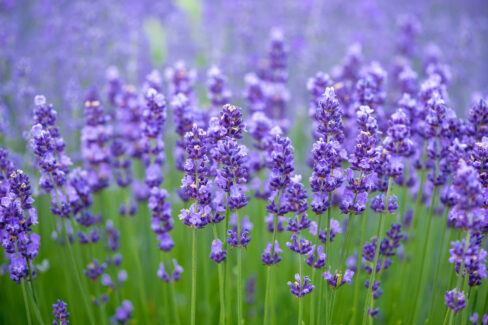
Growing lavender from seed isn’t exactly a walk in the park, but it’s a super rewarding project for any gardener! If you want to see those purple blooms thrive, there are a few “insider secrets” about how these seeds behave that you’ll need to know. Here’s a quick guide to get you started on the right foot.
Lavender seeds need to be fully ripe
If you’re planning to harvest your own seeds for propagation, don’t reach for those pruning shears as soon as the lavender finishes blooming. You need to leave the wilted flower heads alone so the seeds can actually form. Give the plant plenty of time to let the seeds ripen; if you harvest them too early, they simply won’t sprout later on.
There’s also a second “must-have” for lavender seeds to wake up: they need a cold snap. In nature, this happens over winter, but you can trick them by popping your seeds in the veggie drawer of your fridge for about two weeks. This process is called stratification.
How to prep your lavender seeds:
- Fill a small freezer bag with a little bit of damp sand.
- Place your seeds in the sand and seal the bag.
- Keep the bag in the refrigerator crisper drawer for two weeks.
- After that, you’re ready to spread the seeds (sand and all) onto your starter pots.
Lavender seeds need light to sprout
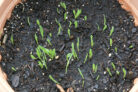
Lavender is what we call a “light germinator.” This means the seeds need direct light to kickstart the growing process. Whatever you do, don’t bury them under the soil! Instead, just scatter your prepped seeds on top of the soil and press them down very lightly so they make good contact.
How to grow your seedlings:
- Fill a starter pot with a mix of potting soil and sand.
- Spread your prepped seeds and sand onto the surface.
- Water them initially, then keep them misted regularly with a spray bottle.
- Place the pot in a warm spot at room temperature.
Since lavender loves lean, dry soil, be careful not to overwater. Also, skip the old trick of putting a plastic bag over the pot. That “greenhouse effect” creates way too much humidity for lavender, which prefers things a bit airier.
Where to place your starter pots
Make sure your pots are in a bright spot. Just like the adult plants, lavender seeds need plenty of sunlight to grow strong. A well-ventilated area that’s bright but protected from harsh winds is the perfect “nursery” for your new plants.
The challenge of growing from seed
One thing to keep in mind: lavender seeds rarely grow “true to type.” This means the new plants might look a little different—with varying leaves or flower shapes—than the parent plant. If you’re looking for a perfectly uniform look in your garden, you might prefer taking cuttings or buying specific varieties from a nursery or online. But if you enjoy a little variety, seed starting is a fun adventure!