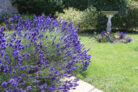
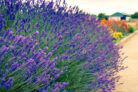
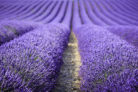
Lavender is the ultimate garden multitasker—it brings a pop of gorgeous color and that unmistakable, relaxing scent to your outdoor space. If you’re looking to add some Mediterranean flair to your backyard or balcony, these popular varieties are a great place to start.
[[pflanzen]]
++Munstead (Lavandula angustifolia “Munstead”)
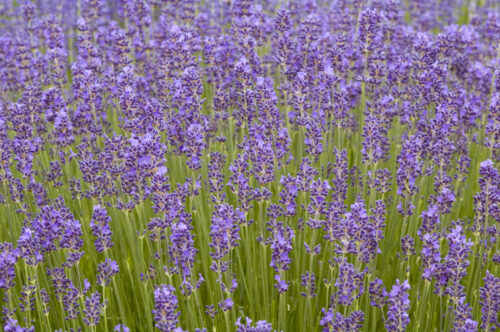
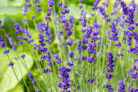
‘Munstead’ is widely considered one of the toughest and most low-maintenance varieties out there. Even if you don’t have a green thumb, this shrub will reward you with plenty of classic purple blooms. Often sold simply as “English Lavender,” it flowers from July through September, bringing a little piece of the French countryside to your home. For the best results, give it a sunny spot with soil that doesn’t stay too soggy.
++Broadleaf Lavender (Lavandula latifolia)
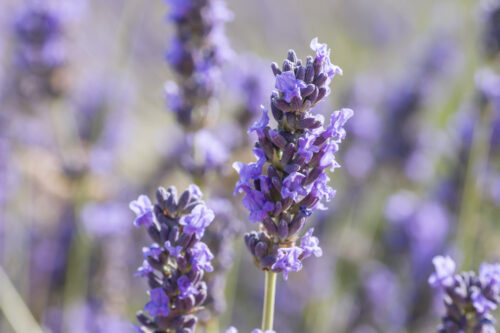
Also known as Spike Lavender, this variety is a true giant in the lavender world. It can reach heights of up to three feet and is famous for its high essential oil content. Because of this, it has a much stronger, punchier fragrance than other types. That high oil concentration also gives it a solid reputation as a medicinal plant—something you won’t find with every lavender variety.
++French Lace Lavender (Lavandula dentata)
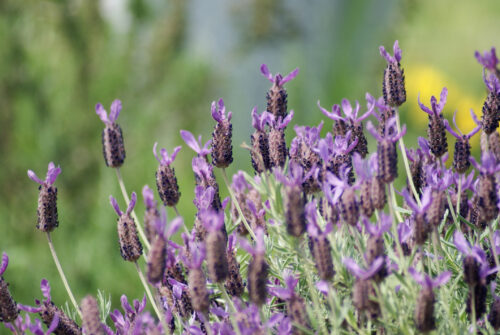
French Lace (or Toothed Lavender) doesn’t get quite as tall as Broadleaf, usually topping out just under three feet in the right spot. You can easily spot this one by its unique leaves—they’re long, oval, and have distinct “toothed” or serrated edges. While it has a lovely herbal, resin-like scent, it’s purely ornamental and isn’t used for medicinal purposes. Look for its light violet blooms from June to August.
++Spanish Lavender (Lavandula stoechas)
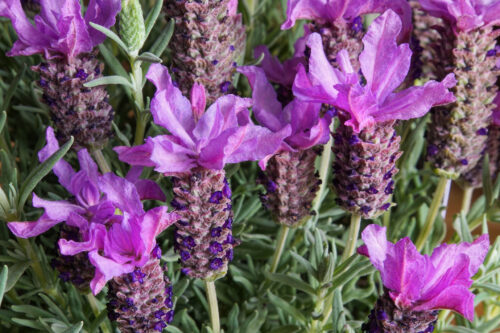
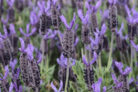
Spanish Lavender is a real showstopper thanks to the large, upright bracts at the top of the flower heads that look like little rabbit ears. It handles sandy soil like a champ, which is why you’ll often see it in coastal gardens, but it also does great in pots on a balcony. It has a long blooming season that can last until September. Just a heads-up: it’s not very cold-hardy, so you’ll need to take steps to protect it during the winter.
++Provence Lavender (Lavandula intermedia)

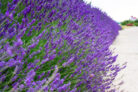
Technically known as Lavandin, this variety is actually a hybrid—a cross between Broadleaf Lavender and English Lavender. It’s a powerhouse plant with vibrant color and a very intense fragrance. As the name suggests, this is the variety you see in those iconic, endless purple fields in Provence. It’s a staple of the region’s cultural identity and a favorite for making sachets and oils.
++English Lavender (Lavandula angustifolia)
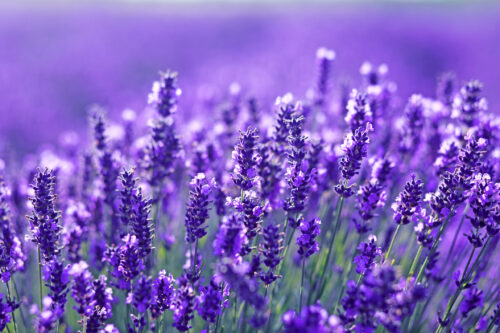
This is the “true” lavender and arguably the most popular variety worldwide. There’s a good reason it’s a fan favorite: it’s extremely winter-hardy. You can plant it in your garden or in containers without worrying too much about the cold. To keep it happy, just make sure your soil is on the drier side and has a bit of lime in it.
++Dwarf Blue (Lavandula angustifolia “Dwarf Blue”)
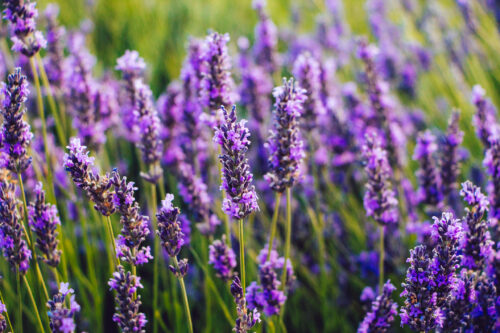
There are several cultivars of English Lavender, but “Dwarf Blue” is a standout. As you might guess from the name, it’s a compact, low-growing variety that’s perfect for small spaces. It features deep, richly colored flowers, but the scent is the real winner here—not only do the blooms smell amazing, but the silvery foliage is incredibly fragrant too.
%%White Lavender (Lavandula angustifolia “Alba”)
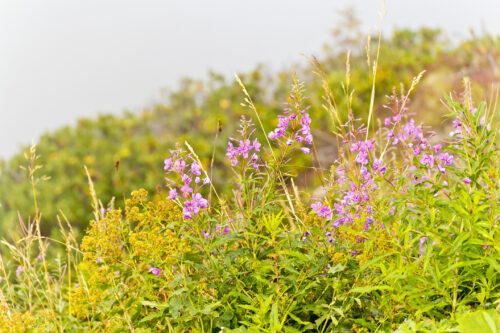
Looking for something a little different? If you want to stand out from the neighbors, try a variety with an unexpected color. White Lavender is a fantastic “insider tip.” It stays relatively low to the ground, making it perfect for pots. It’s also incredibly hardy, surviving temperatures down to -20°F, so it can handle most winters with ease. Plus, those snowy white blooms still pack that classic, relaxing lavender scent.