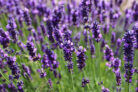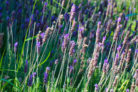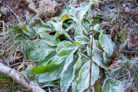
Even though some lavender varieties are pretty tough when it comes to the cold, it’s a smart move to learn a bit about overwintering them. Depending on where and how you’ve planted yours, your lavender might not be as safe from those freezing temps as you think. Plus, there are a few maintenance tricks that can make a huge difference. Here’s how to make sure your lavender makes it through to spring.
How Hardy is Your Lavender?
When you’re shopping for lavender, always check the plant tag for its hardiness rating. Ideally, you want varieties labeled as “hardy,” which means they can handle long stretches of freezing weather. “Winter-resistant” varieties are okay for a light frost, but they might struggle if the thermometer stays below zero for too long. If you’re looking for the toughest option, English Lavender (Lavandula angustifolia) is generally your best bet for surviving a cold winter.
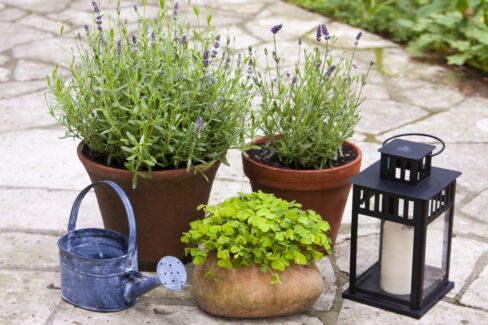
How you plant your lavender also plays a big role in its survival. If it’s planted directly in the ground, the soil acts as a natural insulator, protecting the roots from deep freezes. Lavender in pots is a different story—the roots are much more exposed. To help them out, wrap your pots in burlap or garden fleece to add a layer of insulation. And here’s a pro tip: only water your lavender on days when the ground isn’t frozen.
Timing Your Pruning Just Right
To keep your lavender healthy, you’ll want to give it a good trim once a year. If you’re already harvesting the flowers to dry them, you’re halfway there! However, timing your lavender prune is key. You really want to get this done by early August at the latest.
If you wait too long to prune, the plant might try to push out new growth or even more flowers. This uses up a ton of energy that the plant needs to store for winter survival. To keep your lavender strong, avoid late-season pruning. If you have young plants or some that look a little stressed, you can give them some extra TLC with these steps.
Extra ways to protect your plants:
- Spread a layer of dry leaves over the soil around the base.
- Cover the plants with evergreen boughs (like pine or fir branches).
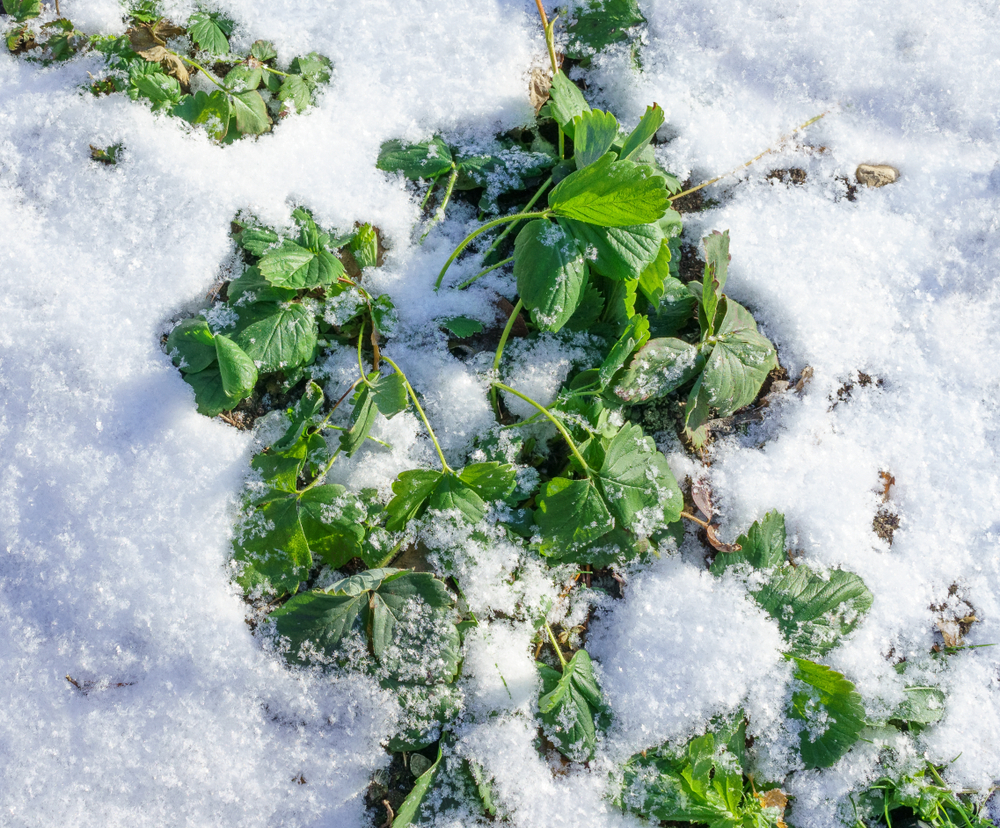
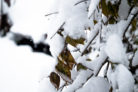
- If it snows, leave that “snow blanket” on the plants—it actually acts as great insulation!