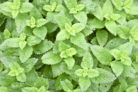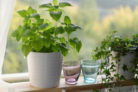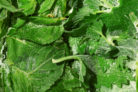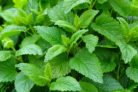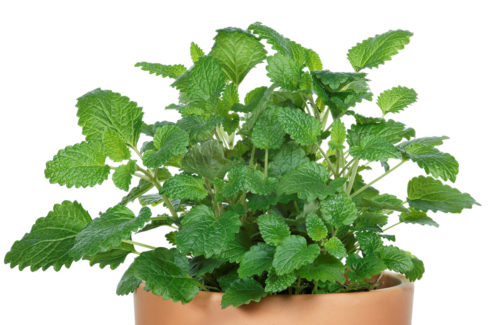
Lemon balm is a total superstar in the herb world and incredibly versatile. It’s no surprise that you’ll find it tucked away in so many backyard gardens! If you’re looking to get the most out of this fragrant plant, you’ve come to the right place. Here is everything you need to know about growing and using lemon balm.
Quick Facts: Lemon Balm at a Glance
- Botanical name: *Melissa officinalis*
- Family: Part of the mint family (Lamiaceae).
- Origin: Originally hails from the eastern Mediterranean.
- Hardiness: It’s a hardy perennial that can handle the cold.
- Size: Usually grows between 8 and 35 inches tall.
- Bloom time: Look for flowers between June and August.
- Seeds: You can harvest seeds from the nutlets starting in the fall.
- Lifespan: A healthy plant can live for 25 to 30 years!
- Versatility: Grows great in garden beds or as a sunny indoor plant.
- Location: Prefers full sun to partial shade.
- Soil: Needs well-draining, nutrient-dense, and humus-rich soil.
- Propagation: There are several easy ways to grow new plants.
Getting to know the background of your plants isn’t just fun trivia—it’s actually super practical. The more you know about the right location, general care, and overwintering, the easier it’ll be to keep your lemon balm thriving. Trust me, once you’re bringing in your first massive harvest, you’ll be glad you did your homework!
How to Use Your Lemon Balm
Lemon balm is a true “wonder herb” with a fantastic citrusy aroma. Those essential oils are what give the plant its signature scent, but it’s also a nutritional powerhouse. Did you know it’s loaded with Vitamin C? Just 100 grams of leaves can contain up to 250 milligrams of Vitamin C, which is famous for giving your immune system a serious boost. It also contains rosmarinic acid, which has great antibacterial and antiviral properties.
If your garden is over-delivering and you have a huge harvest, you might be wondering how to save it for later. A common question I get is whether it’s better to freeze or dry it. The answer? Both work! It really just depends on your intended use. If you want to use it for cooking, I recommend freezing it to lock in that fresh flavor and scent. While dried lemon balm loses some of its aroma, it’s still perfect for making homemade salves, teas, or infusions.