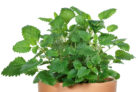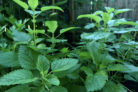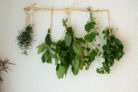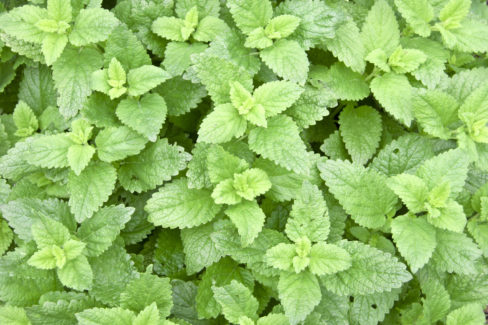
Lemon balm is honestly a bit of a garden superstar. Not only does it add a bright, citrusy zing to your favorite dishes, but it’s also packed with health benefits. It’s no surprise that so many gardeners want to keep this “wonder plant” spreading!
Three Ways to Propagate Your Lemon Balm
Left to its own devices, lemon balm is pretty good at taking over on its own. It spreads via seeds and runners quite happily. But if you want to keep things a bit more organized (and successful), it’s better to take matters into your own hands. There are three main ways to propagate lemon balm:
- From seeds
- By division
- From cuttings
Growing from Seed
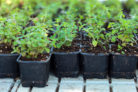
Lemon balm seeds are tough enough to handle the winter, so you can technically sow them directly outside. However, in my experience, only about half of those seeds actually sprout that way. If you want better odds, start them on your windowsill in March. Fill some small pots with seed-starting mix and give them a light misting. Space your seeds about one to two inches apart. Just press them lightly into the soil—don’t bury them! These little guys are “light germinators” and need sunshine to wake up. You can even cover the pot with some plastic wrap to create a mini greenhouse.
Keep them in a spot with partial shade and temperatures between 68°F and 77°F (20-25°C). You should see sprouts in about a month. Once the danger of frost has passed in mid-May, your seeds will be ready to plant out in the garden.
Propagation by Division
Dividing your lemon balm is probably the quickest and easiest way to get new plants. All it takes is a little bit of confidence! In the spring, dig up a particularly healthy, established plant. Take a sharp knife and slice the root ball into two or three sections. Just make sure each piece has at least two shoots attached. Then, simply replant the sections, and you’re good to go.
Propagation from Cuttings
Every single stem on your lemon balm plant is a potential new plant. To grow from cuttings, look for stems about 4 to 6 inches long. Strip the leaves off the bottom half of the stem and tuck it into a small pot filled with herb potting soil. You only want the top pair of leaves showing. Give the new plant a good drink of water and cover the pot with plastic wrap to hold in the moisture. Lemon balm cuttings usually root incredibly fast, so you’ll have a new plant in no time!