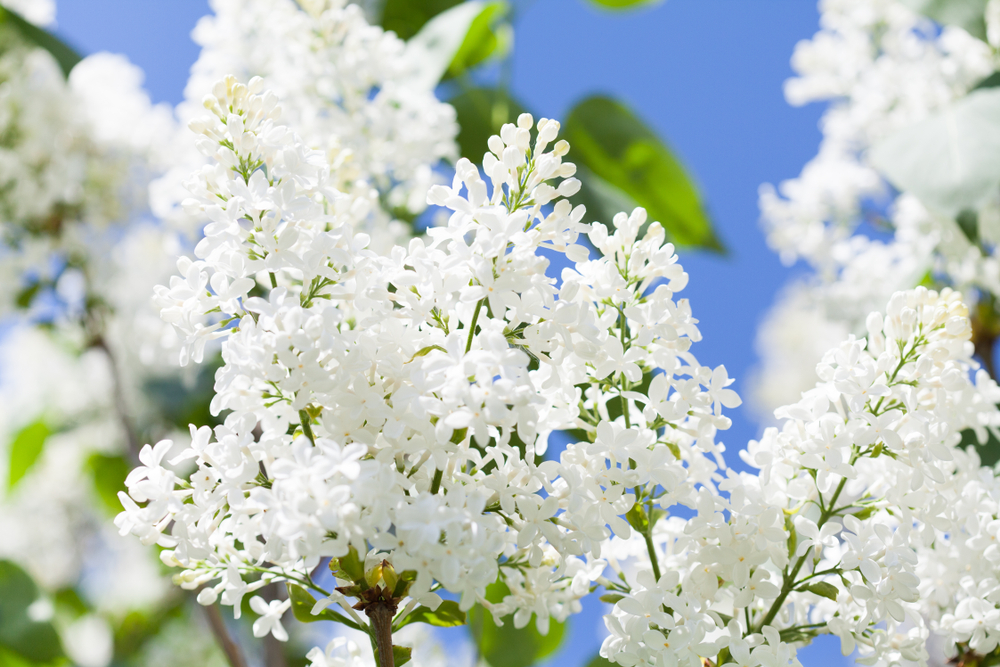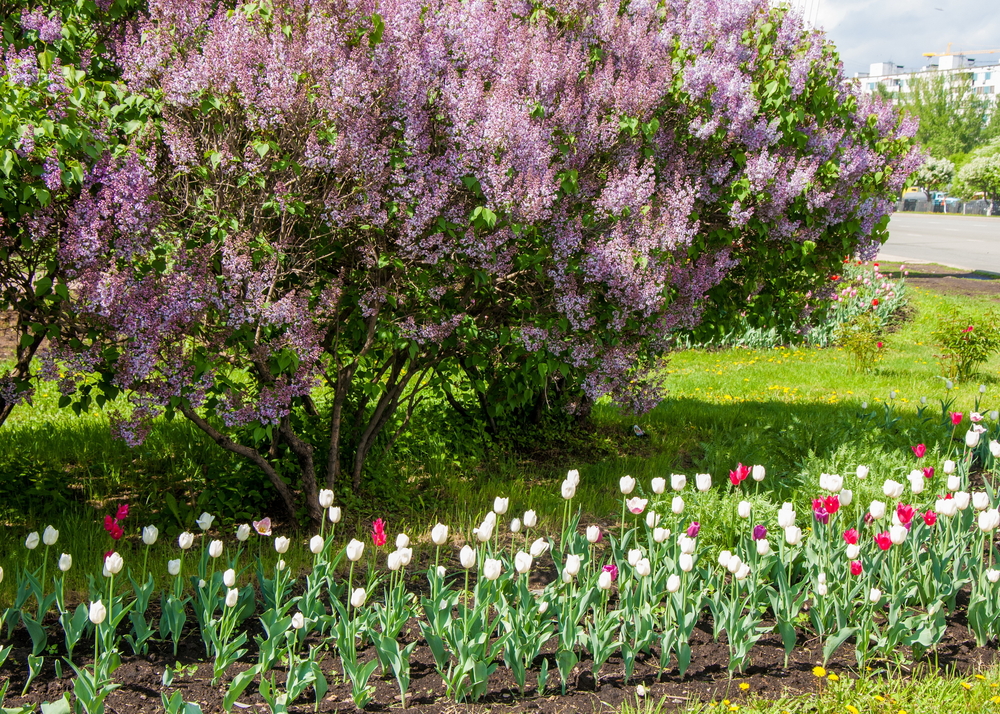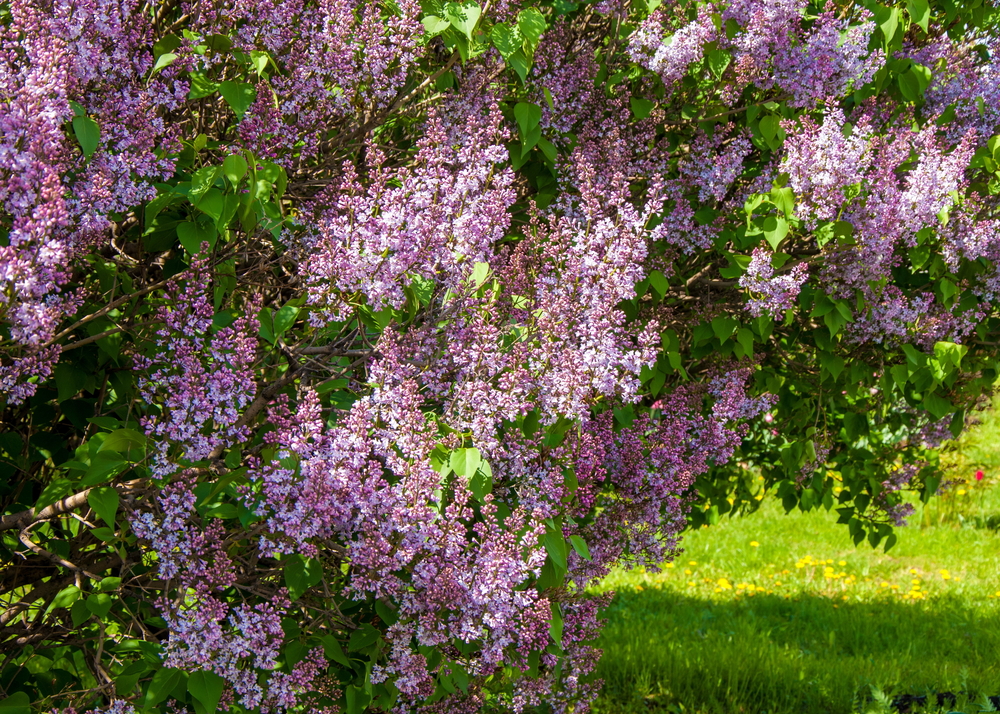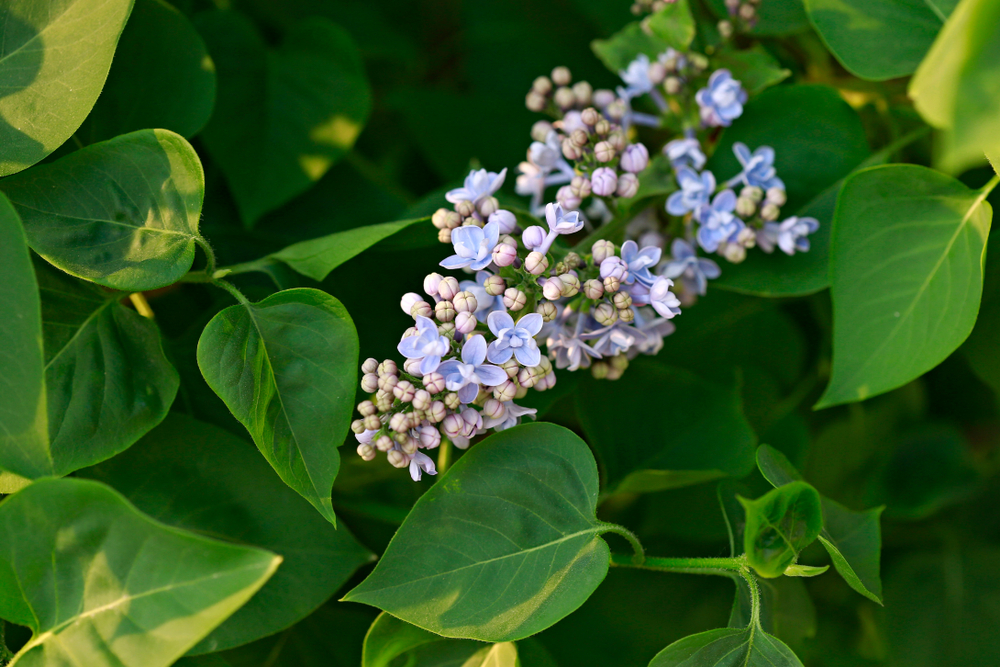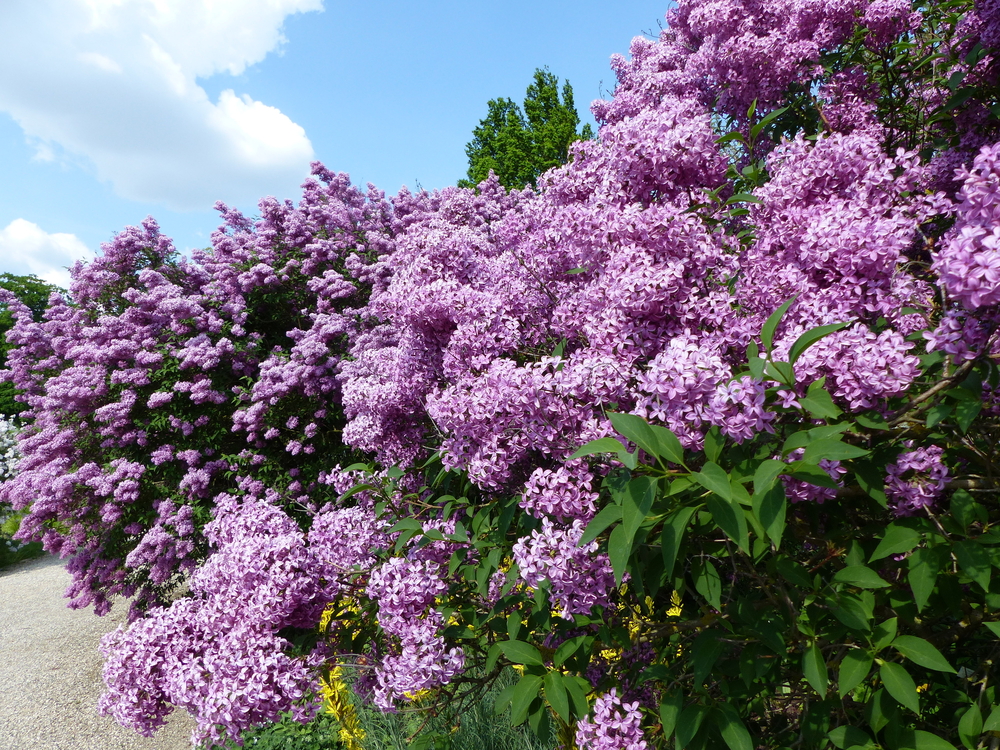
Lilacs have been a staple in backyards and parks for centuries, and it’s easy to see why. Between those iconic cone-shaped flower clusters and that unmistakable sweet perfume, they’re basically the superstars of the spring garden. While most of us are familiar with the Common Lilac (*Syringa vulgaris*), there’s actually a whole world of varieties out there to explore.
Common Lilacs and Popular Cultivars
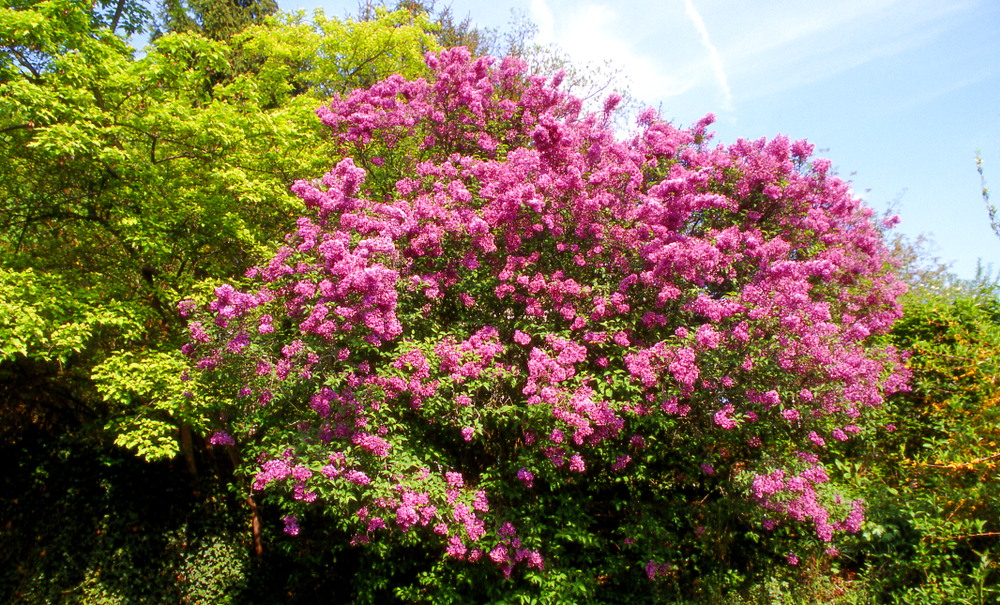
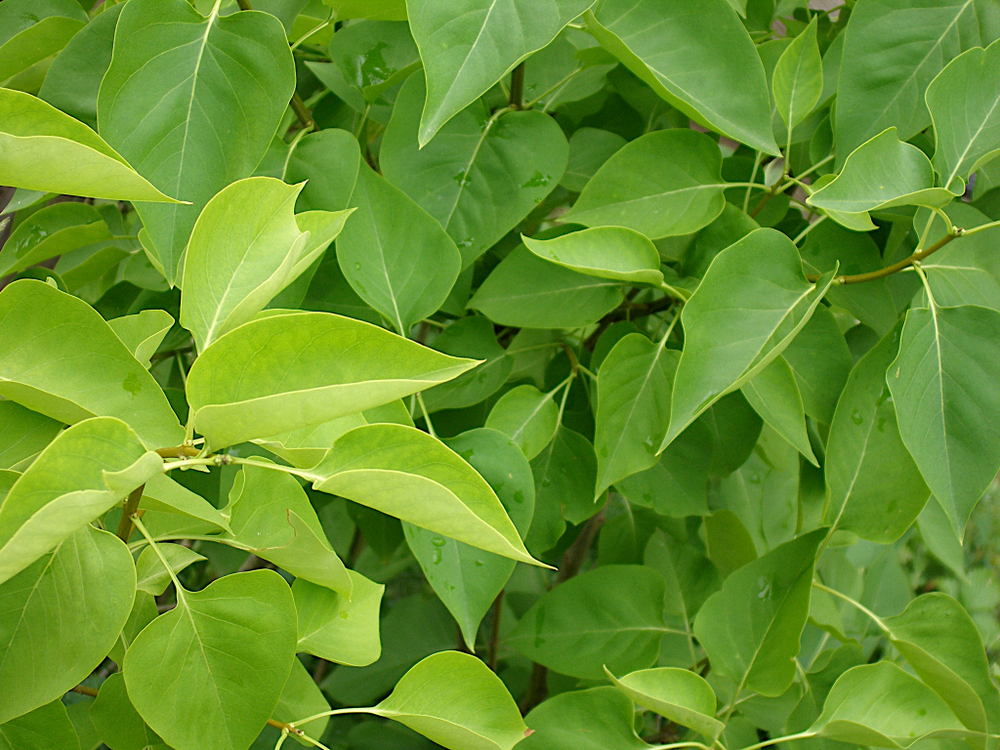
The Common Lilac typically grows into a dense, multi-stemmed shrub. If left to its own devices, it can reach heights of up to 20 feet, eventually taking on the look of a small tree as it ages. Come May, it bursts into bloom with those classic shades of pink, violet, and white that smell absolutely divine. Once the blooming season wraps up in June, the shrub stays lush and green, already busy setting its buds for next year’s show.
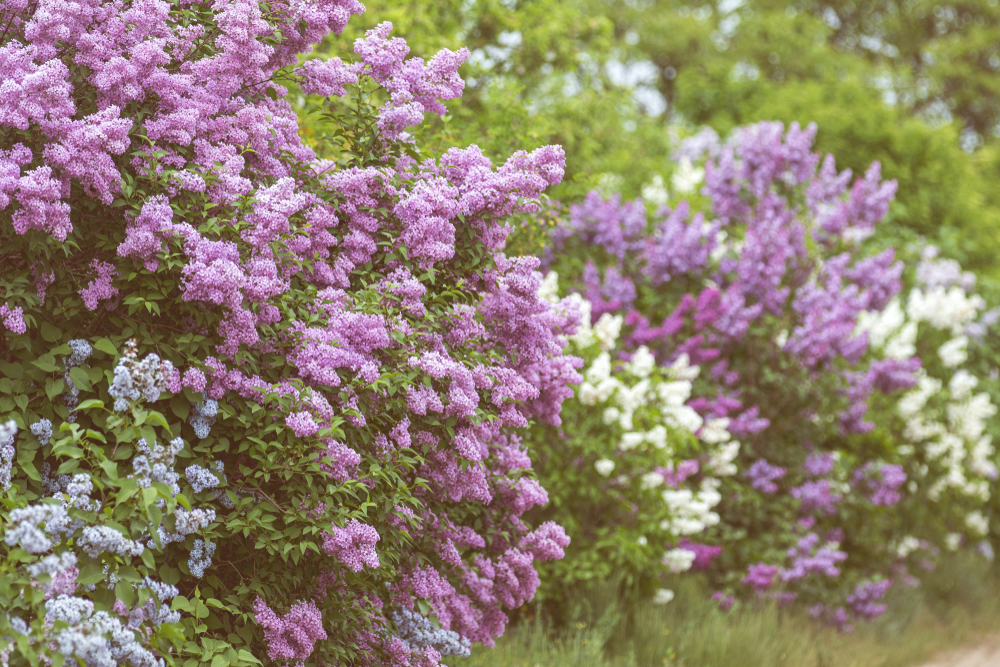
Beyond the standard wild type, there are some stunning cultivars with different colors and petal types (single or double blooms). Here are a few fan favorites:
- “Andenken an Ludwig Späth”: A bushy, densely branched variety with deep, dark purple-red flowers.
- “Charles Joly”: Features gorgeous double blooms in a dark purple-red that fades into a silvery-lilac on the edges.
- “Katharine Havemeyer”: Starts with lilac-pink buds that open into rich, double purple flowers.
- “Michel Buchner”: Famous for its pinkish-lilac double blooms with a white center.
- “Primrose”: A unique choice if you want something different—it features pale, creamy yellow flowers.
- “Sensation”: Truly lives up to its name with bicolor purple-pink petals edged in a striking silvery-white.
The Show-Stopping Chinese Lilac
If you’re looking for a massive amount of flowers, the Chinese Lilac (*Syringa x chinensis*) is a fantastic choice. It produces large, intensely fragrant violet clusters. Its growth habit is a bit more elegant and airy than the Common Lilac, making it a perfect “specimen plant” to stand alone in your landscape. The branches are slender and tend to arch gracefully over one another, reaching heights of about 10 to 15 feet.
Like most lilacs, this variety thrives in a warm, sunny spot. If you plant it in too much shade, you’ll find it produces very few flowers—or none at all! If your lilac is struggling in the dark, you might want to transplant it to a location with full sun or at least very light partial shade.
Compact Lilacs for Pots and Small Spaces
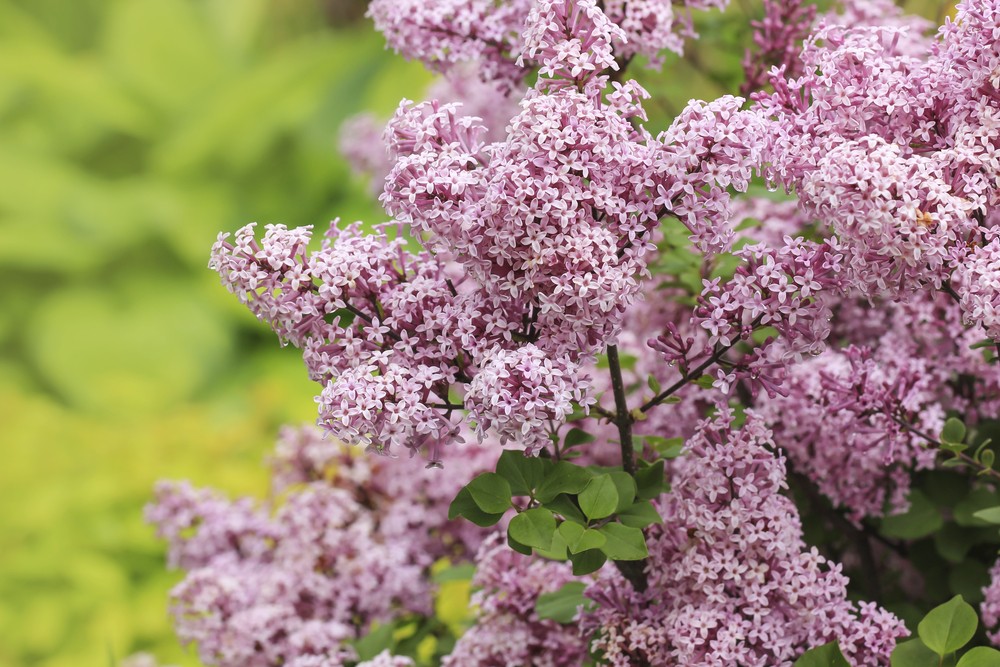
Don’t have a huge backyard? No problem! You can absolutely grow lilacs in containers. This is a game-changer for anyone with a small patio, balcony, or limited garden space. The variety *Syringa meyeri* “Palibin” (often called the Dwarf Korean Lilac) is perfect for pots. It rarely grows taller than three or four feet but packs just as much punch as the big guys.
You won’t have to wait long to see results, either. Shortly after planting, you’ll see purple-pink buds that open into fragrant, pale pinkish-white flowers.
Other great compact varieties include:
- Syringa meyeri “Red Pixie”
- Syringa microphylla “Superba”
- Syringa microphylla “Josèe”