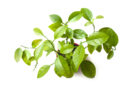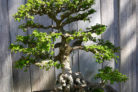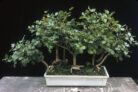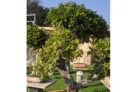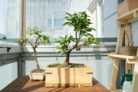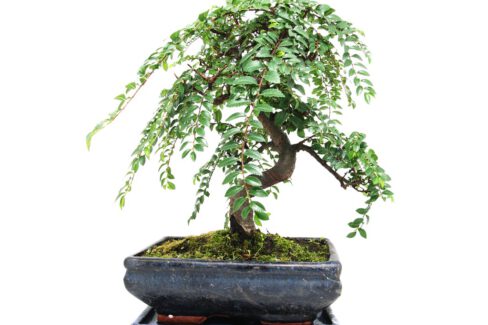
Under the right conditions, a Pepper Tree provides a zesty spice that tastes a lot like black pepper—though surprisingly, they aren’t actually related! In the wild, these trees usually reach about six feet tall, but they are also a fantastic choice for growing as a bonsai.
The Pepper Tree as a Bonsai
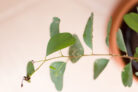
If you’re just starting your bonsai journey, you’re in luck! This tree is relatively easy to care for, making it a great pick for beginners. Plus, a Pepper Tree bonsai has a wonderful, spicy scent and beautiful, glossy green leaves that really pop in any room.
Location and Soil
These little guys love a spot that is bright and warm. If you overwinter yours in a cool greenhouse, don’t panic if it loses its leaves—once the spring sun hits and temperatures rise, it’ll sprout new growth in no time. During the summer, feel free to move your bonsai outside. It loves the sun, but keep an eye on it during those scorching summer afternoons. Bonsai pots are small and dry out fast, so it’s a good idea to move it to a shadier spot during the midday heat to keep the roots from cooking.
For the best results, use a high-quality bonsai soil. You can buy a mix or whip up your own. Here’s what you’re looking for:
- A neutral to slightly acidic pH level.
- Akadama bonsai soil is a great choice.
- Excellent drainage is a must (try sifting out the very fine dust before planting).
- You can mix in some expanded shale to help with aeration.
- If your tree is looking a little weak, try adding some Mycorrhiza (beneficial fungi) to the substrate to help it soak up nutrients.
General Care
Caring for a Pepper Tree bonsai is pretty straightforward. Since it lives in a small tray, you’ll want to prune it several times during the growing season to keep that classic shape. From March through September, give it some organic bonsai fertilizer once a week. If you’re using a liquid fertilizer, you can usually double the dose, as those tend to be a bit diluted.
Watering is the most important part of the job. You want the soil to stay consistently moist, but never soggy—nobody likes “wet feet!” In the summer, especially if it’s outdoors, it’ll be thirsty. In the winter, watering once or twice a week is usually plenty.
Every 2 to 3 years, your Pepper Tree will need a new home. When repotting, give the roots a light trim and refresh the pot with coarse, well-draining bonsai soil.
When winter rolls around, a cool greenhouse is ideal, but a cool room in your house works too. Just make sure it gets plenty of light, like in a big south-facing window. Keep an eye out for aphids during the winter months. If you spot any pests, you can pick them off by hand, give the tree a gentle “shower,” or spray it with a mix of water, dish soap, and a splash of rubbing alcohol.
Wiring
The Pepper Tree takes well to wiring because its shoots harden off quickly. Just be careful with older branches—they get quite stiff and brittle. You’ll need a thicker wire for those, and you’ll want to work slowly and gently so you don’t accidentally snap a branch.