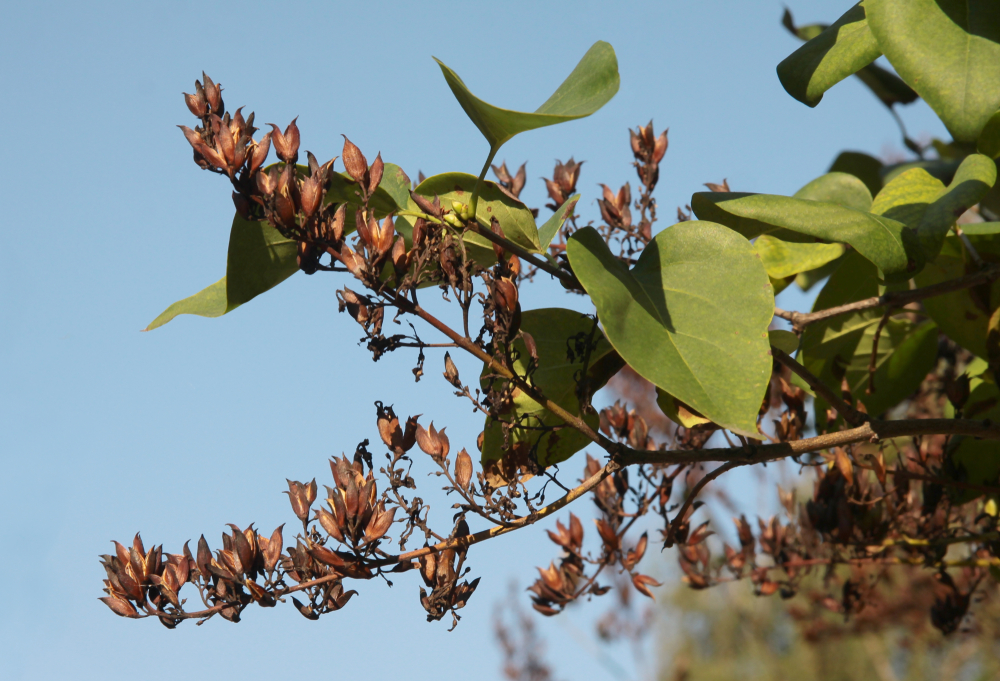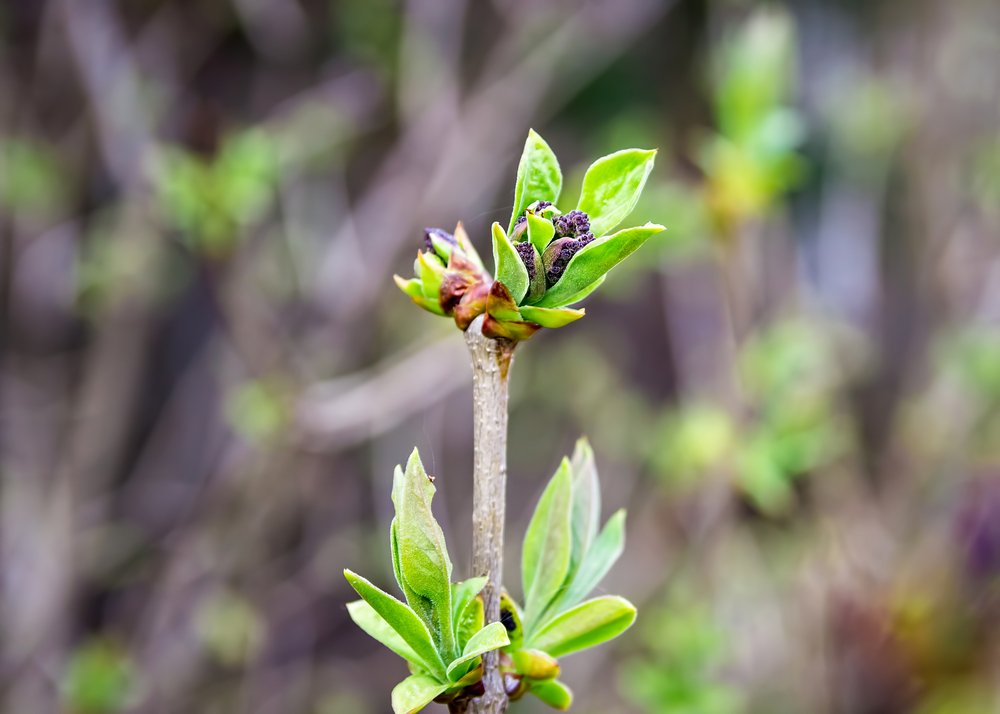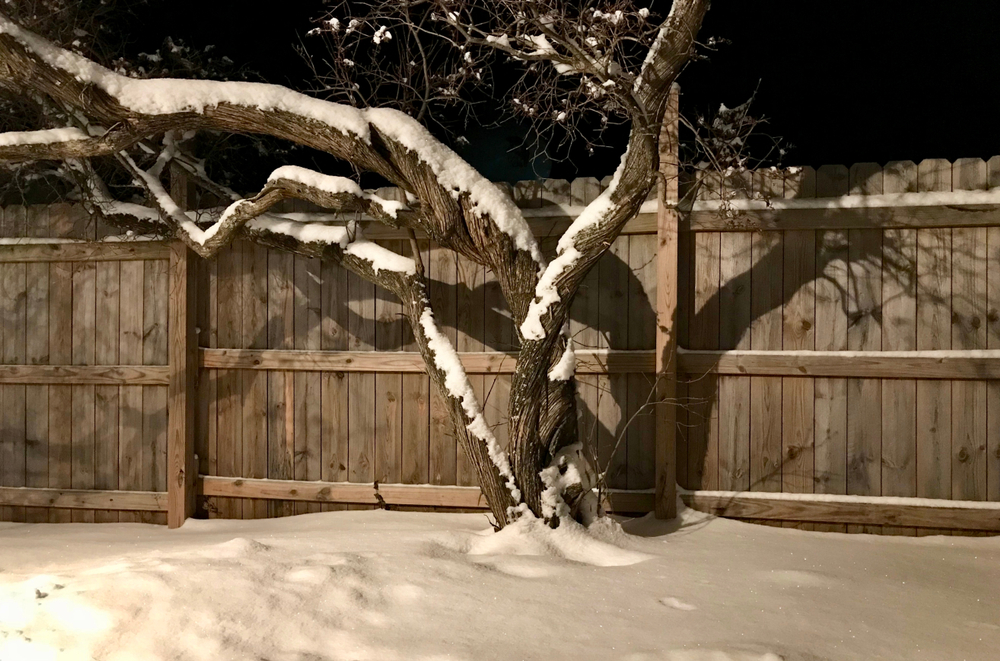
If there’s one thing you’ll never have to worry about, it’s your lilac bush disappearing on you. In fact, the real challenge is usually the exact opposite: trying to stop it from taking over! Lilacs have a natural habit of sending out tons of root suckers, which can quickly turn your nice, orderly flower bed into a lilac jungle.
The Science Behind Those Pesky Root Suckers
Lilacs use these root suckers as a way to propagate and spread. Basically, they’re little shoots that sprout directly from the main plant’s root system. These shoots can pop up several feet away from the main bush and eventually grow their own roots. It’s the plant’s way of ensuring its survival, making lilacs incredibly hardy and almost impossible to kill.
While that resilience is great, it also means more work for you. If you want your other plants to have any breathing room, you’ll need to clear those suckers out regularly. Ideally, you want to get ahead of the game and prevent them from taking over in the first place. Just a heads-up: there isn’t really a lilac variety out there that doesn’t produce suckers naturally.
Your best bet is to install a root barrier right when you plant your lilac. Like the name suggests, it keeps the roots contained so they can’t wander off and sprout everywhere. Another pro tip? Avoid heavy pruning. If you cut your lilac back too aggressively or too often, the plant panics and starts producing even more suckers. Damaging the roots with a shovel or tiller will trigger the same “survival mode” response.
How to Get Rid of Root Suckers for Good
If you’ve decided it’s time to remove a lilac permanently, simply sawing it off at the ground won’t do the trick. The rootstock will just keep sending up new shoots like a zombie plant. To get rid of it for good, you have to dig up the entire root ball along with all those spreading runners.
Removing individual suckers isn’t as simple as it looks, either. Just snipping them off at the surface or hacking at them with a spade won’t help—in fact, it usually just encourages the lilac to send up even more. Instead, you need to get down to the source. Dig down until you find the exact spot where the sucker is branching off from the main root, and cut it right there at the base.