Between that signature heavenly scent and those gorgeous clusters of purple and white blooms, it’s no wonder so many gardeners want more lilac in their lives. If you’ve already got a favorite bush in your yard, you might be thinking about trying your hand at propagation. The good news? Lilacs are actually pretty eager to spread! As long as you keep a few key tips in mind, you can grow your own lilac “babies” right at home.
Propagating via Root Suckers
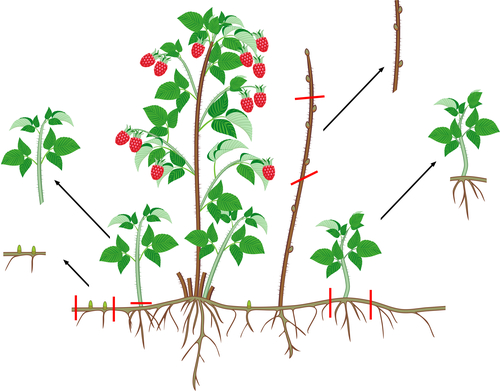
Most lilac varieties send out “suckers”—those little shoots that pop up from the ground around the main trunk. These are perfect for propagation. If you spot one, you can simply use a spade to slice it away from the main root system and move it to a new sunny spot. It’s definitely the easiest way to get a new plant, though it doesn’t work for every single variety.
Wild lilacs are the champions of this method because they naturally produce tons of suckers. Now, if you have a “French” or Common Hybrid lilac (Edelflieder), you might see suckers too, but be careful: these are often just the wild rootstock growing back, not the fancy variety you bought. While modern lab-grown (in-vitro) hybrids can produce “true-to-type” suckers, they don’t actually send them out very often.
Propagating with Hardwood Cuttings
This method is super straightforward, but I’ll be honest with you: it’s a numbers game. Only about one in ten hardwood cuttings actually takes root, so you’ll want to plant plenty of them! The best time to do this is late fall after the leaves have dropped. Unlike soft cuttings, these need to be totally dormant (leafless). Look for one-year-old stems and cut them into pieces about the length of a pencil. Make sure each piece has a pair of buds at both the top and the bottom.
Peel off a tiny strip of bark (about an inch long) from the bottom end before sticking it into the soil. Pick a spot with partial shade—you can check out more tips on the perfect lilac location here. Prep the area by loosening the soil and mixing in some compost. Push the cutting about a third of the way into the ground and firm the soil around it.
Since winter is right around the corner at this point, toss some garden fleece over the bed to protect them. Then, just let them be! You’ll find out in the spring if your hard work paid off. This method works great for:
- Chinese Lilac (Syringa x chinensis)
- Nodding Lilac (Syringa reflexa)
- Hungarian Lilac (Syringa josikaea)
Keep in mind that fancy hybrid lilacs usually don’t do as well with this hardwood method.
Propagating with Softwood Cuttings
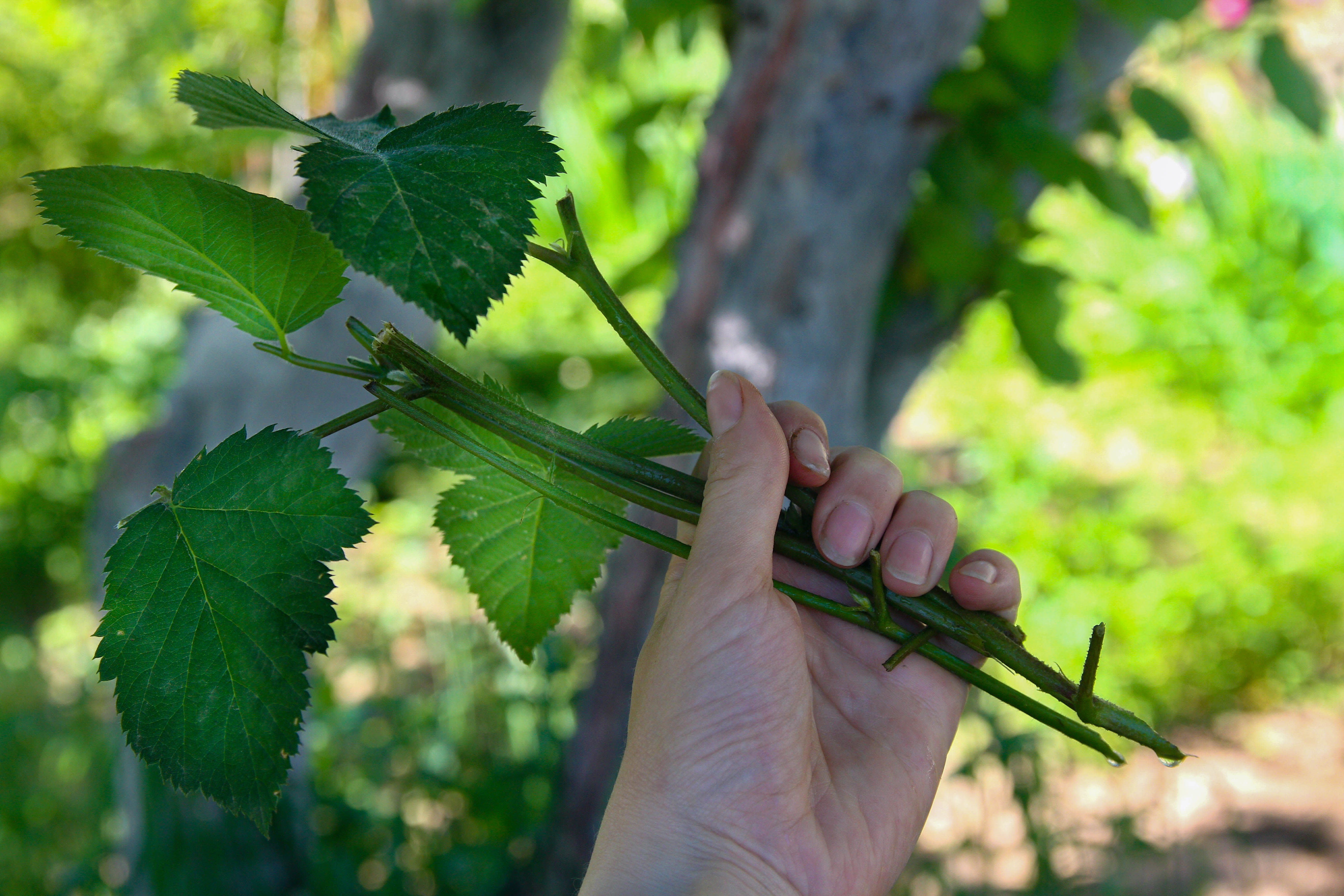
This is a very popular method, and instead of waiting for fall, you do this in May or June when the bush is in full bloom. You’re looking for “soft” green shoots that haven’t turned woody yet. Make sure your cutting has at least three leaf nodes. Strip off the bottom leaves, leaving only about three leaves at the top (and go ahead and trim those remaining leaves in half to reduce moisture loss).
Stick your cuttings into small pots filled with a mix of potting soil, sand, and maybe a little garden lime. Keep the soil nice and damp and create a “mini-greenhouse” effect. You can do this by propping up a clear plastic bag with some skewers or even using the top half of a clear plastic bottle.
Just make sure the plastic isn’t touching the leaves, or you’ll end up with mold. Give them some fresh air occasionally and keep them watered. They love a bright, warm spot, but keep them out of direct, scorching sunlight. This works for almost all lilacs, especially:
- Dwarf Lilacs (like ‘Palibin’ or Syringa x meyeri)
- Preston Hybrids (Syringa x prestoniae)
Be a bit more patient with those sensitive hybrid varieties. You can read more about different lilac varieties here.
Propagation by Grafting
Grafting used to be the go-to for high-end hybrid lilacs, though lab-grown plants are more common in nurseries these days. Still, it’s a cool skill to try!
In July, you can use a technique called “budding” (oculation) to join a hybrid bud onto a one- or two-year-old wild lilac seedling. These seedlings should be about as thick as a pencil. You’d plant the seedlings in a garden bed in the fall, protect them with a fleece tunnel for the winter, and then clear away the lower buds in late winter to make room for your graft.
Growing Lilacs from Seed
If you’re not in a rush, you can always go the old-fashioned route: seeds! You can harvest the seeds after the flowers fade or just buy a packet. This works for both wild and hybrid types. Spring is the best time to sow them so the little guys have time to establish themselves before the first frost hits in the fall.
Since not every seedling will survive its first winter, definitely plant more than you think you’ll need. Just a heads-up: growing from seed requires some serious “gardener’s patience.” It’ll take a few years before your tiny sprout grows into a beautiful, blooming lilac bush!