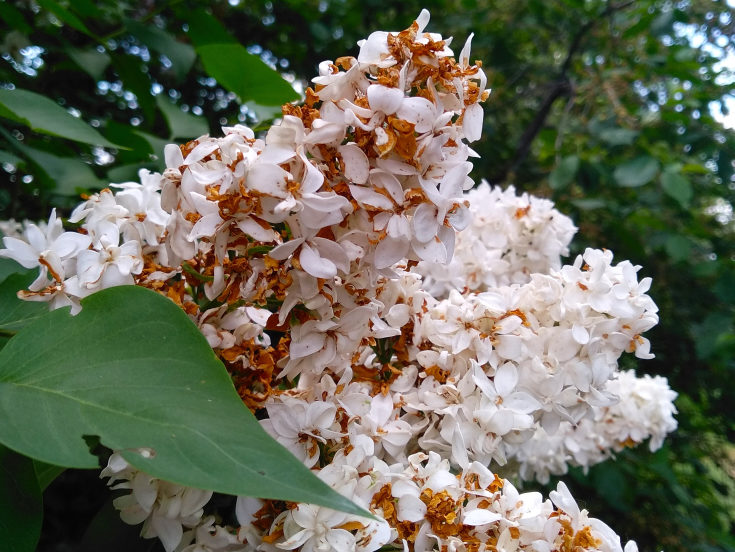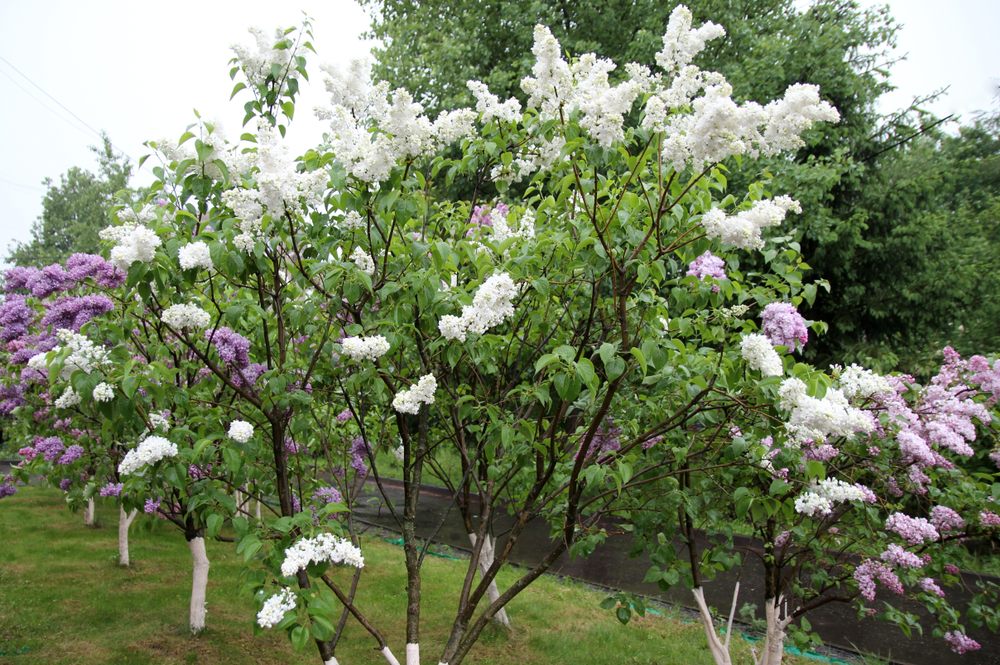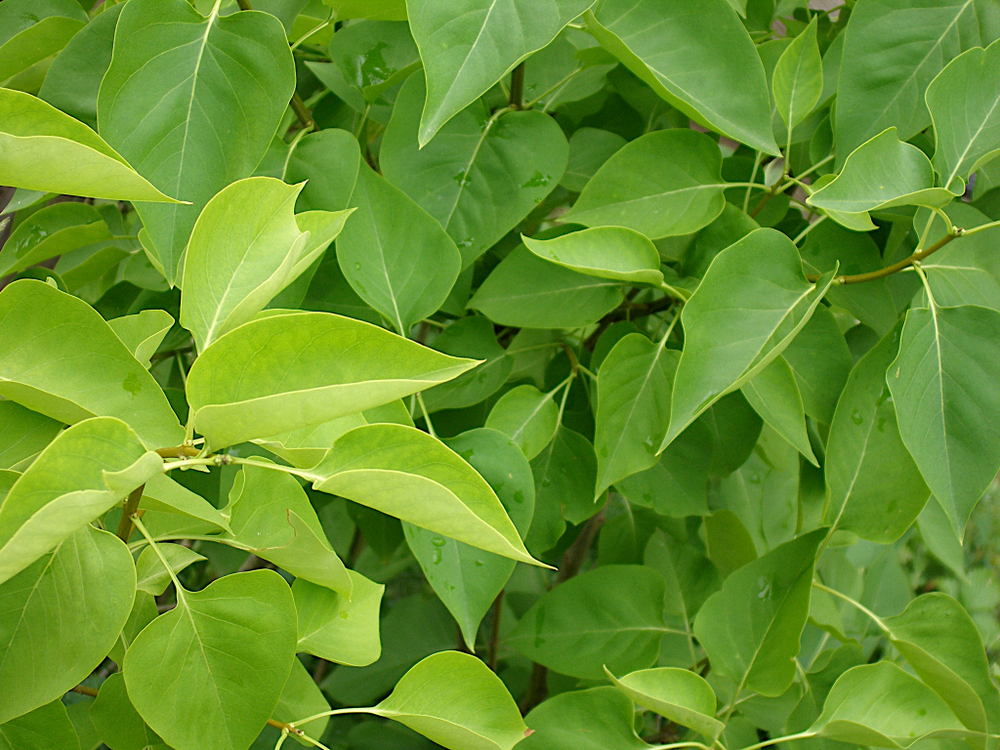
In the beautiful month of May, lilacs take center stage with those iconic colors and that incredible, nostalgic scent. It’s honestly a bit of a bummer that the magic doesn’t last longer! By June, the blooms start to fade, leaving behind a lush wall of green leaves for the rest of the summer. If you’re wondering what to do once those flowers wither, I’ve got you covered.
Always prune your lilacs right after they bloom
For the Common Lilac (Syringa vulgaris), the best time to prune is immediately after the flowers fade. This isn’t just about looks—though let’s be real, dried-up brown flower heads aren’t exactly winning any beauty pageants. The main reason is that lilacs actually set their buds for the following year during the current season. If you prune at the wrong time, you’ll accidentally cut off next year’s show. So, whatever you do, avoid pruning in late summer, fall, or early spring!
If your lilac is healthy, you don’t need to go overboard with a heavy chop. Just give it a light “maintenance trim”: thin it out a bit, remove any dead or spindly branches, and snip back any wild shoots that are ruining the shape of the shrub. If you’re feeling fancy and trying to grow your lilac as a bonsai or a standard (tree-form), you’ll need to follow a more specific shaping technique.
A quick post-bloom cleanup helps keep the shrub from getting “leggy” or aging too fast, ensuring it stays dense and full of flowers. By taking a little off the top and sides, you’re encouraging the plant to put its energy into vigorous new growth. Just a heads-up, though: pruning can sometimes trigger the plant to send out more root suckers. These little shoots pop up from the ground to ensure the plant’s survival, and they can be a bit of a pain to dig out later.
Post-bloom care: What else does your lilac need?
To help your lilac bounce back after its haircut, make sure to give it a good drink of water and a little snack. Mixing some compost and horn meal (or a balanced organic fertilizer) into the soil will strengthen the plant and help it develop plenty of new flower buds for next spring. Generally speaking, lilacs are pretty tough and handle a post-bloom pruning without any drama.
One pro tip: wait for a warm, dry day to do your pruning and yard work. Cold, damp weather is the enemy here because it prevents the “wounds” from the cuts from sealing up quickly. This can leave your lilac vulnerable to pests and diseases. Stick to a sunny afternoon, and your lilac will thank you!