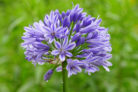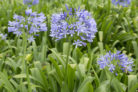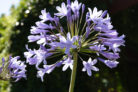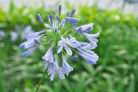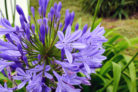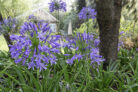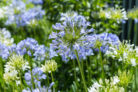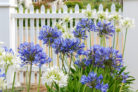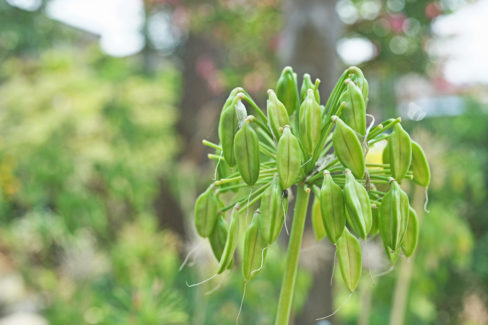
Known as the African Lily, Agapanthus is a total showstopper in the garden with its stunning clusters of blue petals. But let’s be real—it’s incredibly frustrating when your plant stays green and leafy without a single bloom in sight. If your Agapanthus is being shy this year, don’t worry! Here’s a breakdown of why your flowers might be missing and how you can get those gorgeous blooms back on track.
Common Reasons Your Agapanthus Isn’t Blooming
If your African Lily isn’t showing off during its usual flowering season, there are a few usual suspects. First up: location, location, location. These plants are sun-worshippers. If you’ve planted yours in a spot that’s too shady, or if nearby trees and shrubs have grown tall enough to block the light, your plant won’t have the energy to flower. Even a spot that used to be sunny can become a “shade trap” over time.
Another big factor is nutrition. If the soil is depleted or you’ve skipped the fertilizer, your Agapanthus might just be hungry. I recommend feeding them about once a month during the growing season. You can give them a boost by mixing in some organic compost or using a high-quality liquid fertilizer to ensure they have the nutrients they need to produce those big flower heads.
Here are the main reasons your African Lily might be holding back:
- Not enough direct sunlight
- Lack of essential nutrients
- A pot that is way too large (they actually like being a bit snug!)
- Incorrect care or “winter blues” from improper storage
Winter Care Can Make or Break Your Blooms
Believe it or not, how you treat your Agapanthus in the winter dictates how it performs in the summer. These plants aren’t fully hardy, so they can’t handle a deep freeze. However, you don’t want to keep them *too* cozy, either.
If you bring your plants inside and keep them at room temperature all winter, you’re actually disrupting their natural rhythm. Agapanthus actually needs a “chilling period” to trigger flower production. They prefer to spend the winter in a cool spot—ideally between 32°F and 45°F (0°C to 7°C). This cold snap tells the plant it’s time to rest so it can come back swinging in the spring. If they stay too warm during their dormancy, they often fail to form flower buds for the following season.