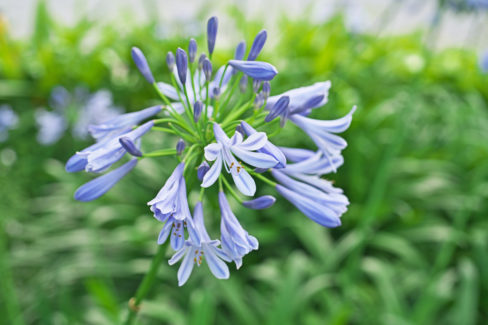
Lily of the Nile (Agapanthus) is a stunning addition to any garden, but it can be a bit picky when the temperature drops. If you want those gorgeous blue or white blooms to return next spring, you’ve got to give them a little TLC during the off-season. Here’s the lowdown on how to keep your African Lilies happy and healthy until the warm weather returns.
How Much Cold Can They Actually Handle?
The short answer? Not much. Agapanthus isn’t a fan of hard or prolonged freezes. If you live in a spot where the ground stays frozen, you’ll need to take action to protect them. Without a safety plan, the cold can actually damage the plant’s cell structure. When that happens, you’ll likely see your leaves turning yellow pretty quickly—a clear sign your plant is stressed.
Most varieties aren’t truly winter hardy in colder climates. Ideally, you want to keep them somewhere between 32°F and 50°F (0°C to 10°C). Believe it or not, you don’t want them *too* warm in the winter either, or they won’t get the rest they need to bloom later. While they might survive a very brief, light dip below freezing, don’t push your luck. It’s much better to play it safe than lose your favorite plants to a cold snap.
Pro Tips for Winter Protection
Depending on your setup, you have two main options: insulate them where they are or move them to a safer spot. If your lilies are in the ground, a thick layer of mulch or leaves can act like a cozy blanket. However, if yours are in pots, you’ve got it easy—just move the whole container indoors!
The perfect winter home for your Agapanthus should be:
- Bright and sunny
- Dry
- Cool (ideally between 32°F and 45°F)
Here’s a quick tip: check what kind of variety you have. If your lilies lose their leaves in the winter (deciduous), they can actually hang out in a dark spot like a basement or garage. But if you have evergreen varieties that keep their leaves year-round, they absolutely need light to survive the winter. Make sure you know which one you’re dealing with before you tuck them away!