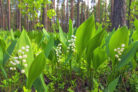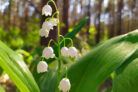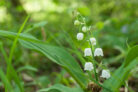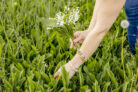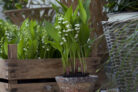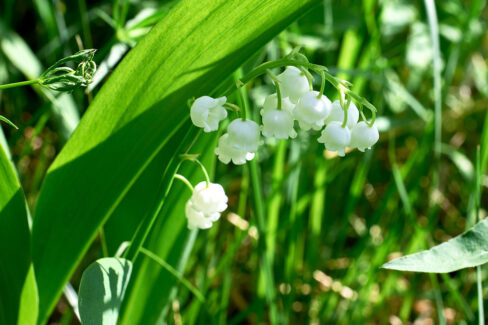
Lately, I’ve noticed a wonderful trend: more and more of us are returning to native plants in our backyards. It’s a huge win for our local ecosystems and endangered pollinators like bees! However, some native beauties—like the Lily of the Valley—come with a bit of a reputation. While they look charming, they are toxic and can be a real headache for home gardeners.
Lily of the Valley spreads fast
Aside from being poisonous, the biggest issue with Lily of the Valley is how aggressively it spreads. It doesn’t just rely on seeds; it travels underground via a creeping root system. If you don’t install root barriers, these plants will take over your garden before you know it. Despite those iconic bell-shaped flowers and their low-maintenance nature, they aren’t always the best fit for every landscape.
Grab your garden fork
Whether you planted them yourself or they “hitchhiked” into your yard, getting rid of them is going to take some elbow grease. To truly clear an area, you have to dig up the soil and remove the rhizomes (the roots) as thoroughly as possible. You’ve got to be meticulous here! Even a tiny fragment of a root left behind is enough for the plant to sprout all over again.
Pro tip: Do not use a spade for this job. A spade will slice right through the roots, accidentally multiplying your problem by leaving small pieces in the dirt. Instead, use a garden fork to gently lift the soil and pull the rhizomes out intact.
Use a “Lily of the Valley tea” to inhibit growth
Here’s a clever trick: you can actually use the plant against itself. You can create a fermented plant mash (similar to a weed tea) using the cuttings. Once it has fermented, pour it over the area where the plants were growing. Believe it or not, Lily of the Valley doesn’t like its own “waste,” and this can help discourage any missed bits from sprouting.
One last thing—never toss these plants or roots into your compost pile! They are hardy enough to survive the composting process and will just end up back in your flower beds. Bag them up and put them in the regular trash instead.
When you’re ready to reclaim your garden, keep these points in mind:
- Use a garden fork to dig up the affected areas.
- Be thorough and remove every single piece of the root system.
- Dispose of all plant remains in the household trash, not the compost.