There’s nothing quite like a beautiful balcony garden to help you unwind. Surrounding yourself with lush greenery is great, but adding a sweet scent to the air takes relaxation to a whole new level. If you’re looking for a low-maintenance plant that brings both style and fragrance to your outdoor space, let me introduce you to the Swedish Ivy—often called “Plectranthus” or “False Incense.”
Swedish Ivy: Appearance and Characteristics
First things first: despite its common nickname in some regions, this balcony favorite isn’t the source of the frankincense used in churches. That comes from the Boswellia tree, a completely different species. Our balcony version simply shares a similar, spicy aroma. If you’re not a fan of that particular scent, this might not be the plant for you, but most gardeners find it refreshing!
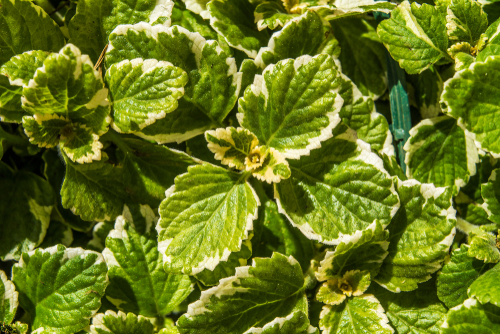
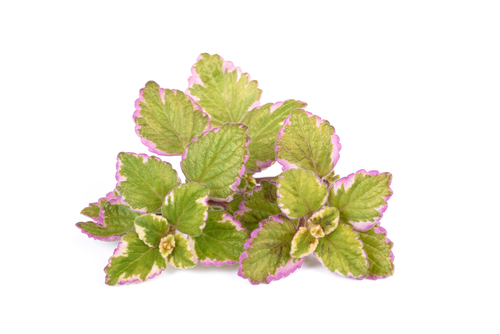
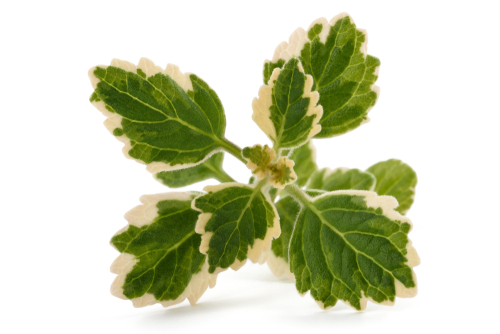
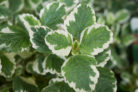
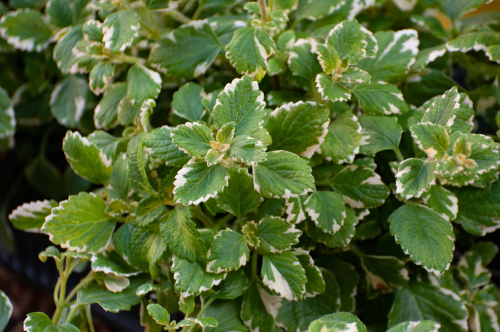
When you grow Swedish Ivy on your balcony or in hanging baskets, two things really stand out: the gorgeous variegated white-and-green foliage and those impressive, long trailing vines. In the summer, it produces tiny, subtle flowers that are a huge hit with bees and bumblebees.
The best part? You can actually overwinter your plants. Just keep in mind that they are very sensitive to the cold, so they’ll need a frost-free spot indoors once the temperatures start to drop.
Finding the Perfect Spot
Swedish Ivy loves a sunny spot, though it’s best to protect it from that scorching, intense midday sun. It also does perfectly fine in partial shade. Just a heads-up: if it’s tucked away in a corner that’s too dark, those pretty variegated leaves might start to lose their color and turn a dull green.
Watering and Fertilizing Tips
When it comes to feeding and watering, this plant is pretty chill. Here are a few simple rules to keep it happy:
- Swedish Ivy isn’t a fan of drying out.
- Give it a good, regular soak.
- Avoid “wet feet”—make sure excess water can drain away freely.
- If you’re using hanging baskets, be sure to pour out any standing water.
- Since it’s not a heavy feeder, a dose of liquid fertilizer every four weeks is plenty.
- Alternatively, you can use slow-release fertilizer or spikes.
- If you’ve just repotted your plant, wait about eight weeks before fertilizing, as the fresh potting soil already has plenty of nutrients.
The Right Soil for Your Plants
This plant isn’t picky at all. Standard high-quality potting soil works great, and you can mix in a little compost if you want to give it a boost. The main goal is to keep the soil loose and well-draining. To prevent root rot, I always recommend adding a drainage layer of expanded clay pebbles or broken terracotta shards at the bottom of your planters.