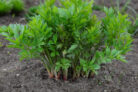
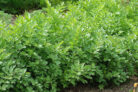
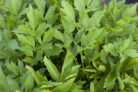
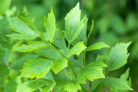
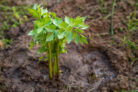
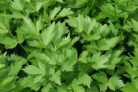
Just like us, plants are much more likely to get sick when they’re feeling run down. Usually, a weak constitution in lovage comes down to “location, location, location” or a few hiccups in your care routine—like overwatering. To keep your lovage (often called the “Maggi plant” for its savory scent) thriving and disease-free, the secret is getting it off to a great start in the right spot.
The Ideal Spot for Sowing Seeds
Success starts the moment you begin sowing your seeds. To get those little sprouts going, you need a spot that is primarily warm and bright.
If you’re starting your lovage indoors, place your seedling tray near a heater and a sunny window. A bright kitchen windowsill is actually a perfect choice—the steam from your cooking creates a nice boost in humidity that young plants love.
Finding the Perfect Outdoor Home
Once it’s time to head outside, lovage prefers a spot in full sun to partial shade. If you want a truly lush harvest, planting it in a garden bed under the full sun is your best bet.
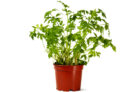
If you’re growing lovage in a pot on your patio or balcony, aim for a southeast or southwest orientation. Just make sure the spot is somewhat sheltered from harsh winds.
Soil: Rich and Deep is Key
Lovage develops long, thick taproots, so deep soil is a must.
Beyond depth, your soil should check these boxes:
- The pH should be slightly acidic to alkaline.
- It needs to be very nutrient-rich (lovage is a heavy feeder!).
- The texture should be humus-rich, well-draining, and a bit sandy-loamy with some lime.
Keep the soil consistently moist, but be careful—lovage hates “wet feet” (standing water) just as much as it hates drying out completely.
When the winter months roll around, don’t sweat it! Lovage is incredibly hardy and can easily handle temperatures down to -4°F (-20°C).
Healthy Location, Healthy Plant
Plants that are stressed or poorly situated are basically an open invitation for pests and diseases.
Here’s how you can proactively keep your lovage in tip-top shape:
- Pick the right spot from the start and provide a little protection from extreme weather.
- Try to minimize stress factors like frequent transplanting or extreme heat.
- Prevent nutrient deficiencies by fertilizing your plant regularly.
- Avoid drought stress and always water directly at the roots rather than over the leaves.
- Keep the plant’s energy focused on its leaves by pruning it back before it spends too much effort on flowers and seeds.