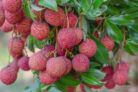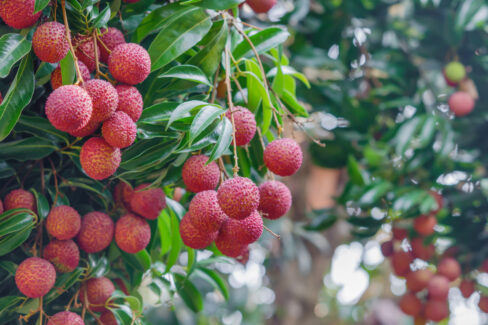
Lychees are a total staple in exotic cooking, and while they started out in one specific corner of the world, these popular little fruits are now grown in subtropical regions all over the globe.
Origins in Southern Africa
The roots of the lychee tree actually trace back to growing regions in South Africa and Madagascar. From there, the fruit made its way to places like China, where it has been cultivated for over 2,000 years and is a beloved ingredient in both sweet and savory dishes. However, lychees are a bit picky—they can only be grown in subtropical climates. They love the heat, but they can also handle slightly cooler dips in temperature, which makes the subtropics their absolute “sweet spot.”
Because lychees are predominantly grown south of the equator, their peak season hits during our winter months, which is when the Southern Hemisphere is at its warmest.
Global Growing Regions
The great news for us is that because lychees are now grown in suitable climates worldwide—including north of the equator—you can find them fresh almost all year round. The original source countries, including China, remain some of the biggest producers today.
You’ll also find lychees being cultivated in:
- Israel
- Southeast Asia
- Australia
- Mexico
- Brazil
- The Southern United States
Growing Lychees in Your Own Garden
If you’re looking to propagate lychees yourself, here’s a pro tip: try to source seeds from the Northern Hemisphere. These seeds are usually better adapted to our specific climate and tend to handle cooler temperatures a bit more gracefully.
If you’re buying established trees, keep an eye out for varieties known for being cold-hardy. Even so, you’ll need to make sure your lychee trees stay frost-free during the winter. Much like other fruit trees in warmer parts of the Northern Hemisphere, lychee trees in cooler climates (like Germany or the northern US) will typically ripen during the summer months.