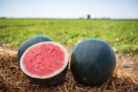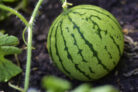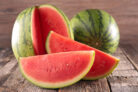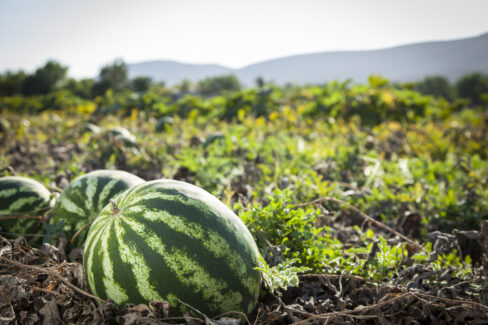
When the summer heat hits, there’s nothing quite like a slice of juicy watermelon to cool you down. It’s healthy, packed with vitamins, and incredibly refreshing. But did you know that this summer staple is actually a close cousin to the pumpkins and squashes in your garden? Even though they share a family tree, the watermelon’s roots trace back to a completely different part of the world.
Roots in Africa
A lot of people mistakenly think watermelons come from South America, but they actually hail from Africa. Recent studies have shown that their true home is South Africa. Interestingly, because of those southern hemisphere roots, watermelon season would technically be in the winter if we followed its original biological clock!
These plants are tough cookies when it comes to dry spells. They actually prefer sandy soil, provided it’s packed with plenty of nutrients to fuel those big fruits.
The Pumpkin Connection
Watermelons belong to the *Cucurbitaceae* family, making them close relatives of pumpkins, cucumbers, and zucchini. You don’t have to worry about them cross-breeding in your garden, though—their pollen just isn’t compatible. However, keep in mind that there are some wild, toxic species within the watermelon genus that contain the same bitter compounds found in ornamental gourds. While rare, cross-breeding within the specific watermelon genus itself is possible.
If you look closely, you can see the differences in how they’ve adapted. Pumpkins love moisture and grow massive leaves to shade the soil and keep it damp. Watermelons, on the other hand, have smaller, daintier leaves and much prefer things on the drier side.
Where They Grow Best
Nowadays, most of the watermelons you see at the store are grown in tropical and subtropical climates. China is the world’s leading producer, followed by Turkey and India. In any frost-free region where they’re cultivated, watermelons have a habit of “escaping” the garden and growing wild.
In fact, in parts of Australia, they’re actually considered a bit of a nuisance because the growing conditions are just too perfect! While the plants won’t survive a snowy winter in cooler climates, the seeds are surprisingly hardy. In milder areas—like wine-growing regions—watermelon seeds can survive the winter in a compost pile. If you’ve ever tossed out an overripe fruit or some watermelon seeds, don’t be surprised if you see “volunteers” popping up in your compost next spring.
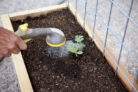
If you find a surprise watermelon sprouting in your compost, you can definitely transplant it, and it’ll usually produce fruit. Just a heads-up, though: watermelons need a long, warm growing season to sweeten up. If they seed themselves too late in the year, the fruit might not ripen before the first frost. If you want to try growing them on purpose, I recommend starting your seeds indoors around early April to give them a head start!