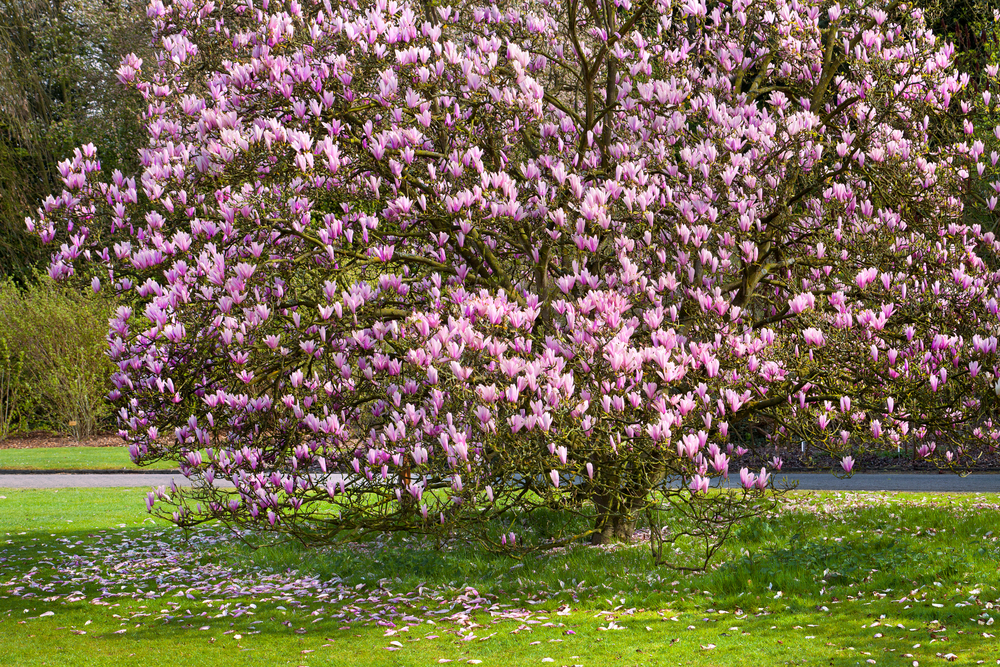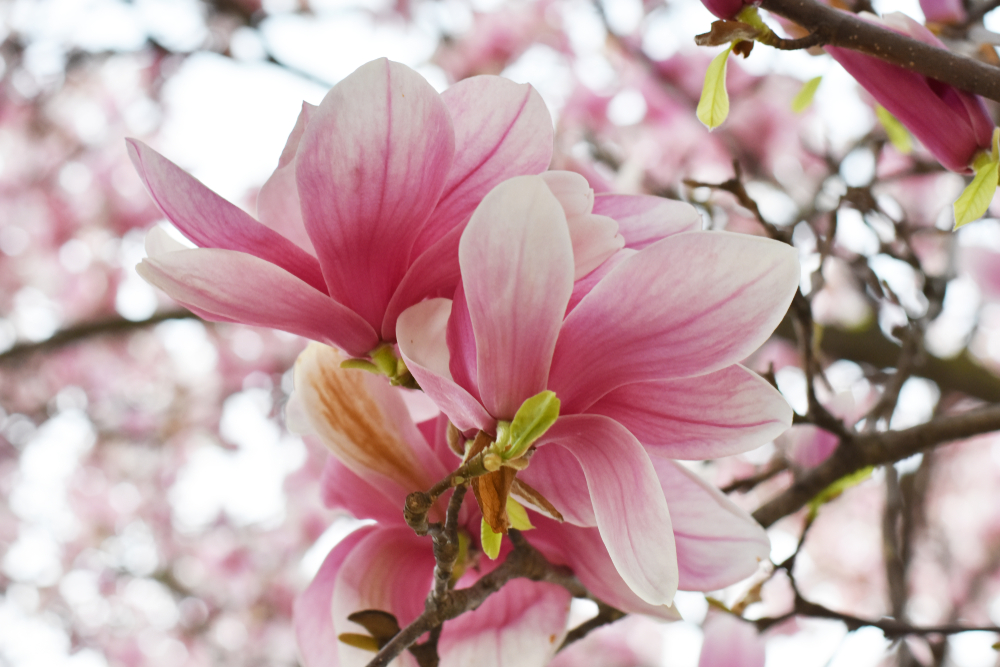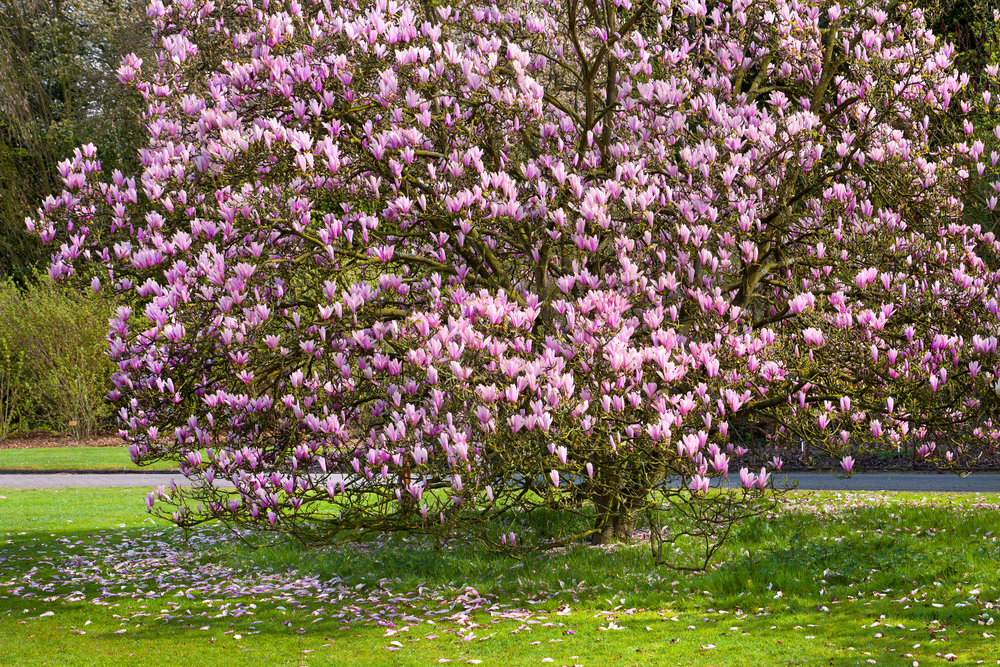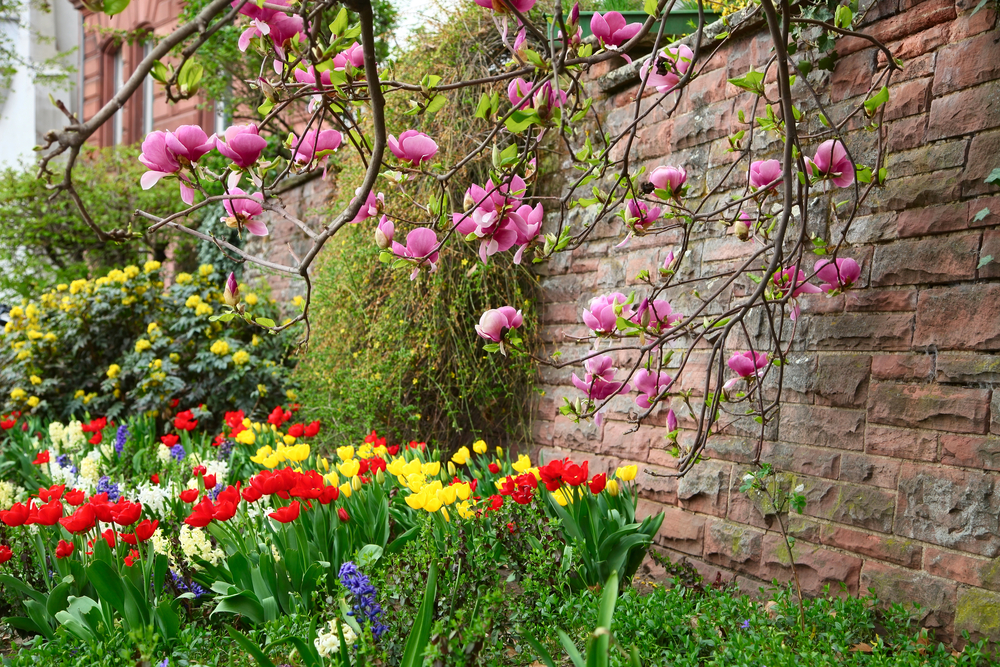
With about 200 species worldwide, magnolias originally hail from East Asia and the Americas. Because of those diverse roots, different varieties are used to very different weather patterns. Luckily for us, about 100 of those species are hardy enough to thrive in our gardens, provided they get a little extra TLC before and during the winter months.
Younger Plants Need Extra Love
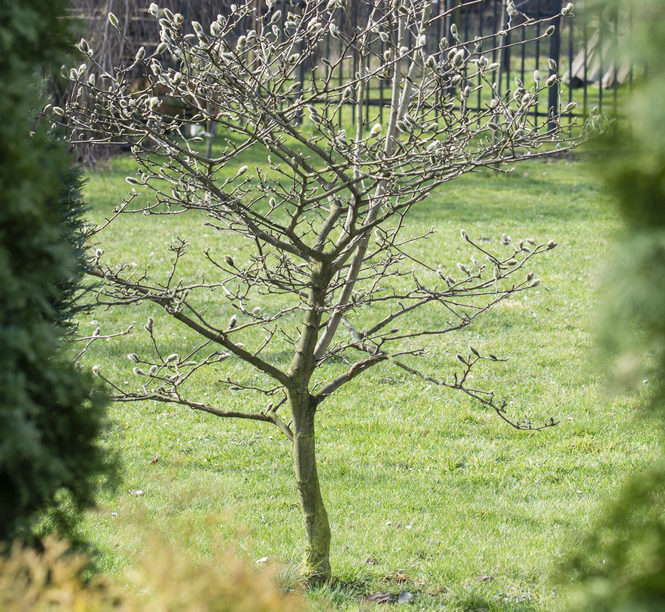
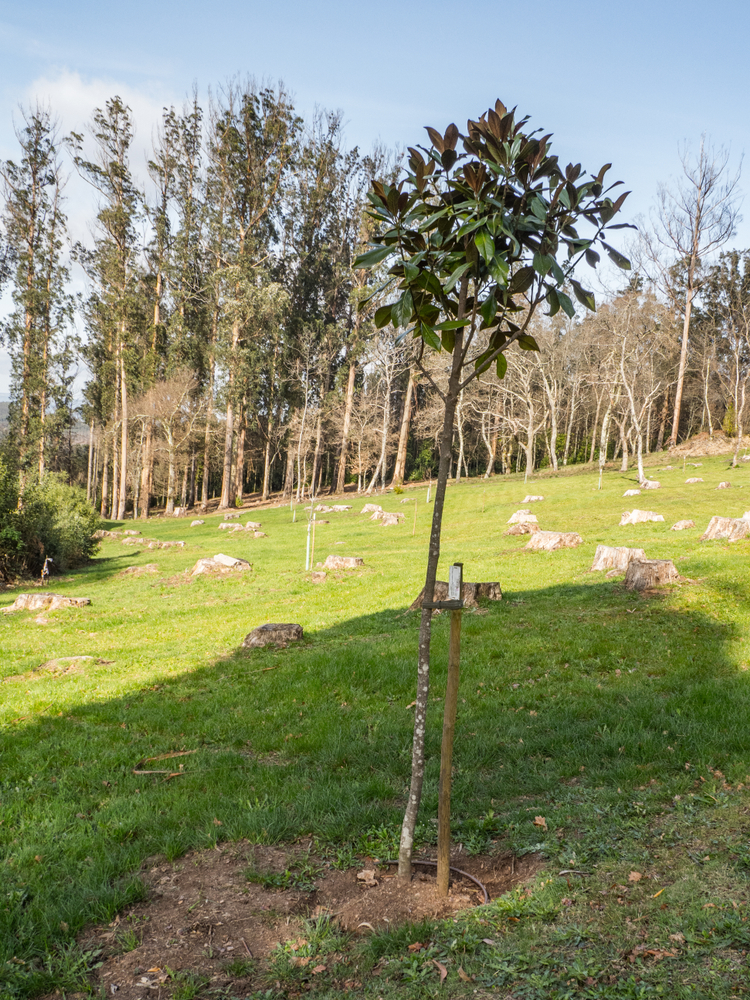
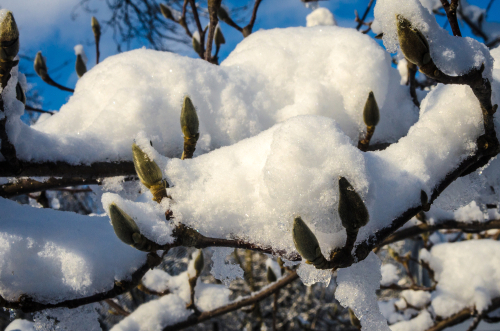
Magnolias are the marathon runners of the garden—they can live much longer than many other plants. However, before they reach full maturity as sturdy trees or shrubs, they are pretty sensitive to deep freezes. If you have a young magnolia in your yard, you’ll definitely want to take some precautions before the first frost hits.
- Start by applying a thick layer of bark mulch over the root zone.
- Add a generous layer of fallen leaves on top of the mulch.
- Finish it off with a third layer of evergreen brush or pine boughs.
Extra Steps for Frigid Weather
If you’re expecting a particularly brutal winter, it’s a smart move to wrap the trunk in garden fleece (burlap works great, too). For smaller trees, you can even cover the crown with a protective garden cover or plastic sheeting. Depending on when spring decides to show up, you can usually pack away the winter gear sometime in March. The good news? As your magnolia continues to grow, it will naturally become more cold-hardy, meaning less prep work for you each year!
Watch Out for Late Spring Frosts
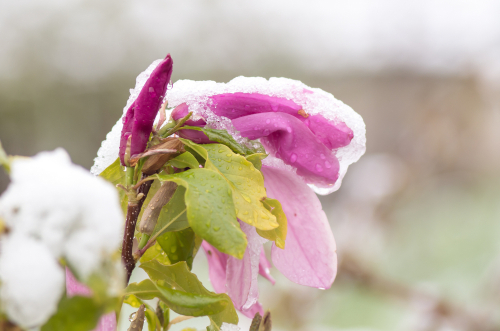
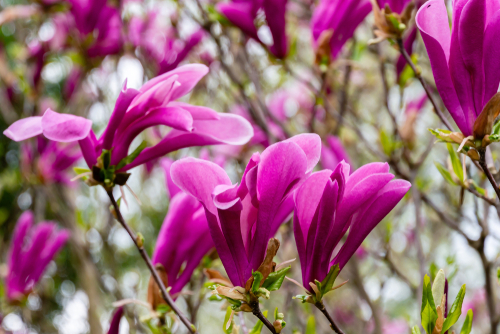
Even when you think you’re in the clear, overnight frosts can sneak up on us as late as May. This is a bummer because it can turn those beautiful, delicate blooms brown overnight. To save the flowers, keep that garden cover handy to toss over the crown on chilly nights. If you’re growing your magnolias in containers rather than in the ground, the easiest fix is to simply bring them indoors for the night and move them back out to soak up the sun the next morning.