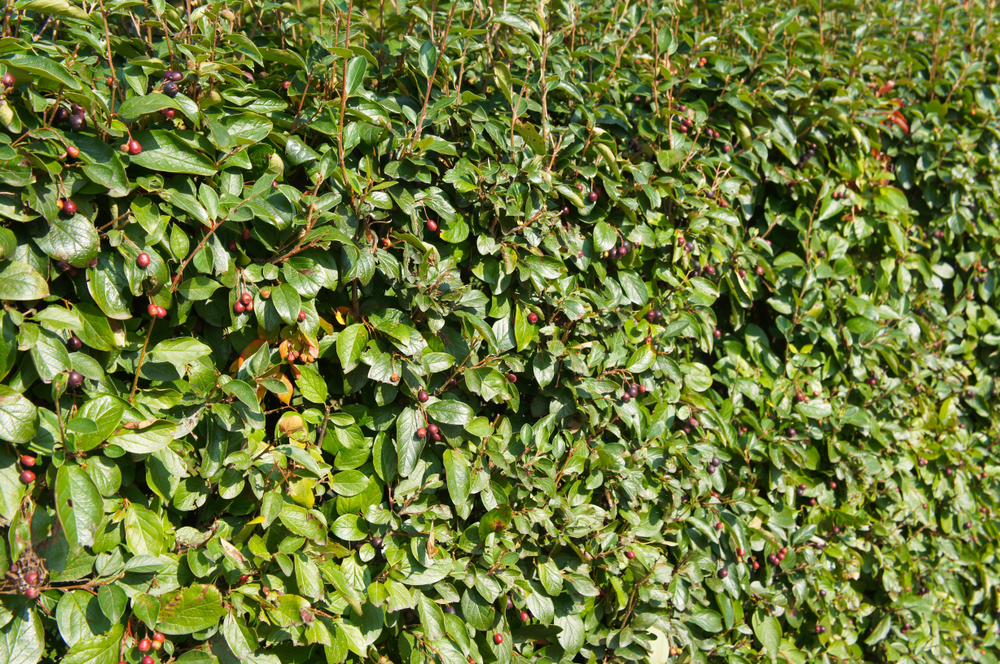
Depending on how much ground you’re looking to cover with Cotoneaster, you might find yourself needing quite a few plants. But here’s a pro tip: you don’t have to spend a fortune at the nursery! You can actually propagate Cotoneaster yourself right at home.
Propagating via Runners and Cuttings: Simple and Reliable
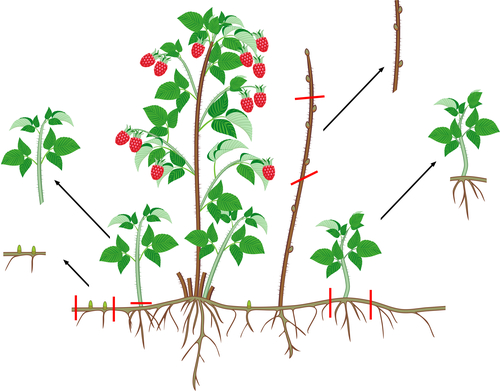
This first method is about as easy as it gets because the plant does most of the heavy lifting for you. Cotoneaster naturally sends out runners that are perfect for starting new plants. In late fall, simply snip these away from the mother plant and move them to their new home. Just give them about a year to really settle in and establish their root systems.
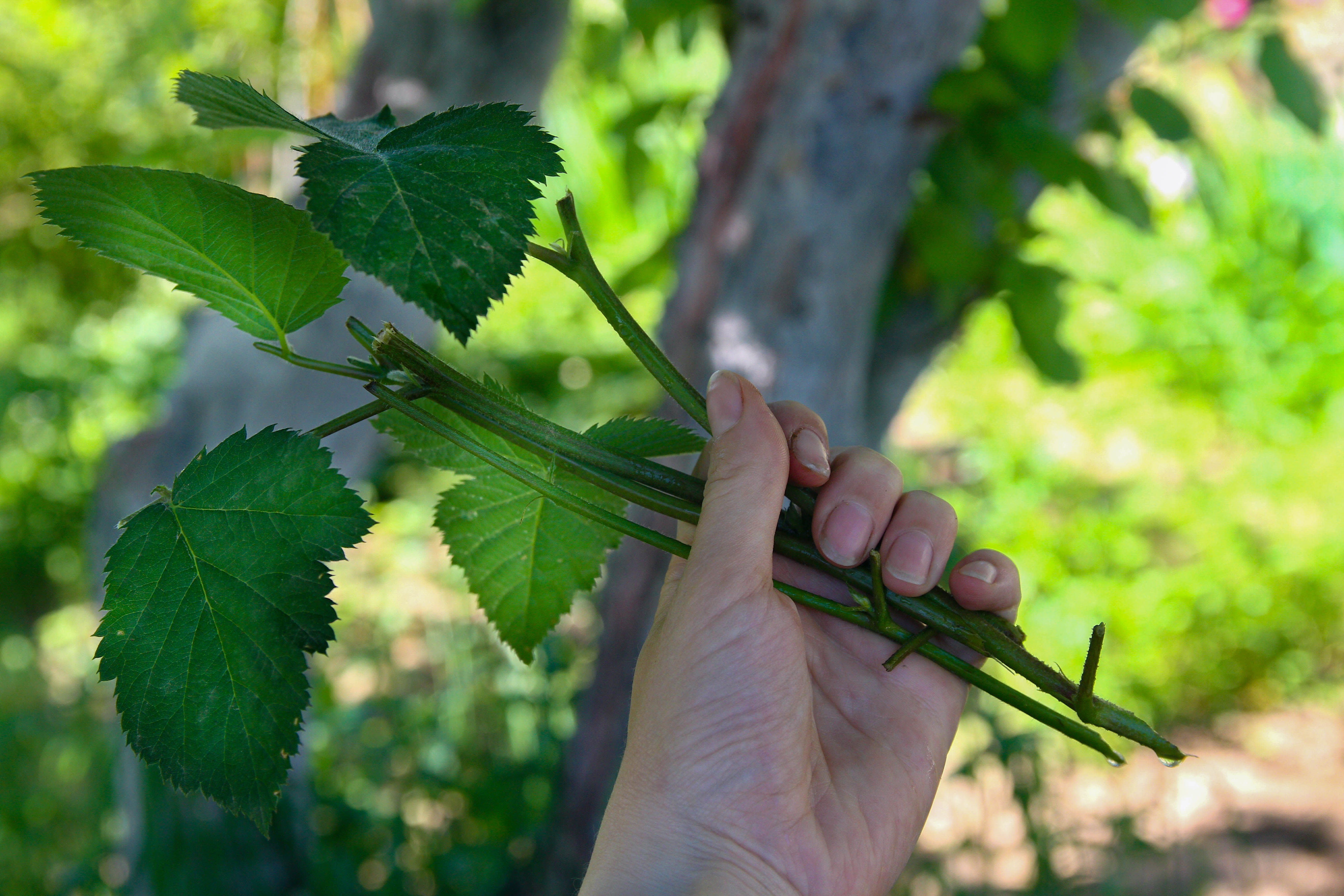
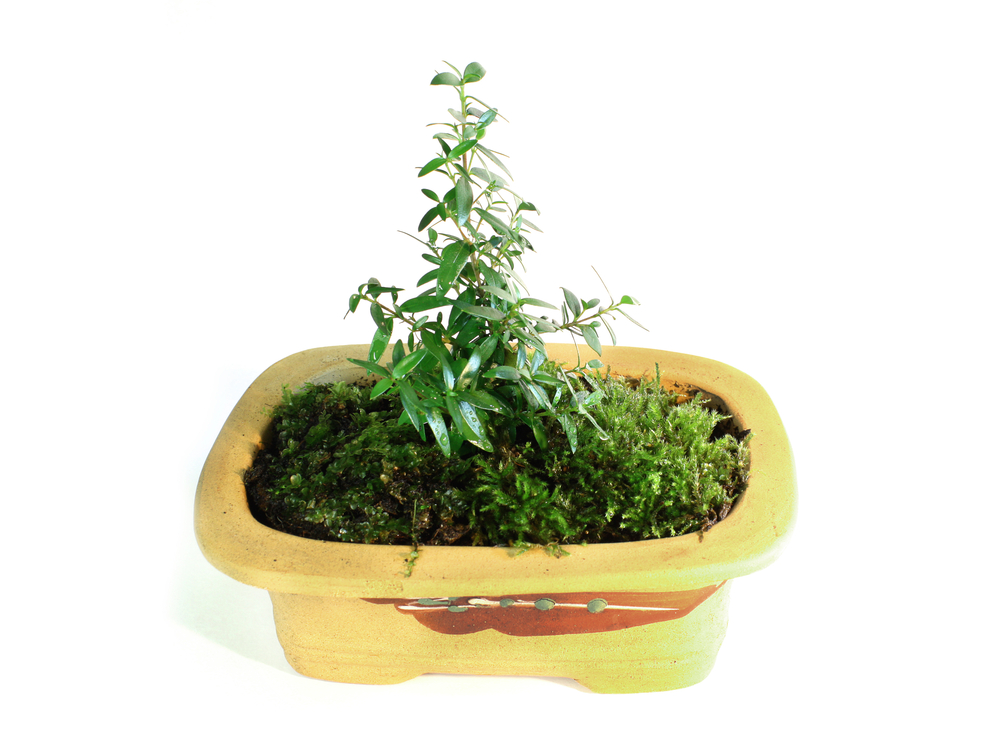
You can also grow new plants from cuttings. This is a great way to recycle the branches you trim off during your early spring pruning. Just make sure your cuttings are at least three inches long. Stick them into some soil and keep the humidity high—I usually recommend covering them with a clear plastic dome or bag to create a mini-greenhouse effect while they root.
Propagating via Seeds and Layering: The Slow Road
Growing Cotoneaster from seed is definitely a project for the patient gardener. In the fall, you can harvest the ripe berries—but a quick heads-up: these berries are mildly toxic. In fact, no part of the plant should ever be eaten, so keep that in mind if you have curious pets or kiddos. You’ll need to carefully remove the seeds from the fruit, clean them, and stratify them (mimicking a winter chill). Once that’s done, plant them in seed-starting mix and keep them at a steady 70°F (20°C) with consistent moisture to jumpstart germination.
If you’re looking to create a lush groundcover, you can also try “layering” in the spring or fall. This involves pinning a low-growing branch to the ground until it grows its own roots. However, be prepared to wait—it can take up to two years before the new roots are strong enough to survive on their own. Honestly? Stick with runners or cuttings if you want to see that beautiful green carpet fill in sooner rather than later!