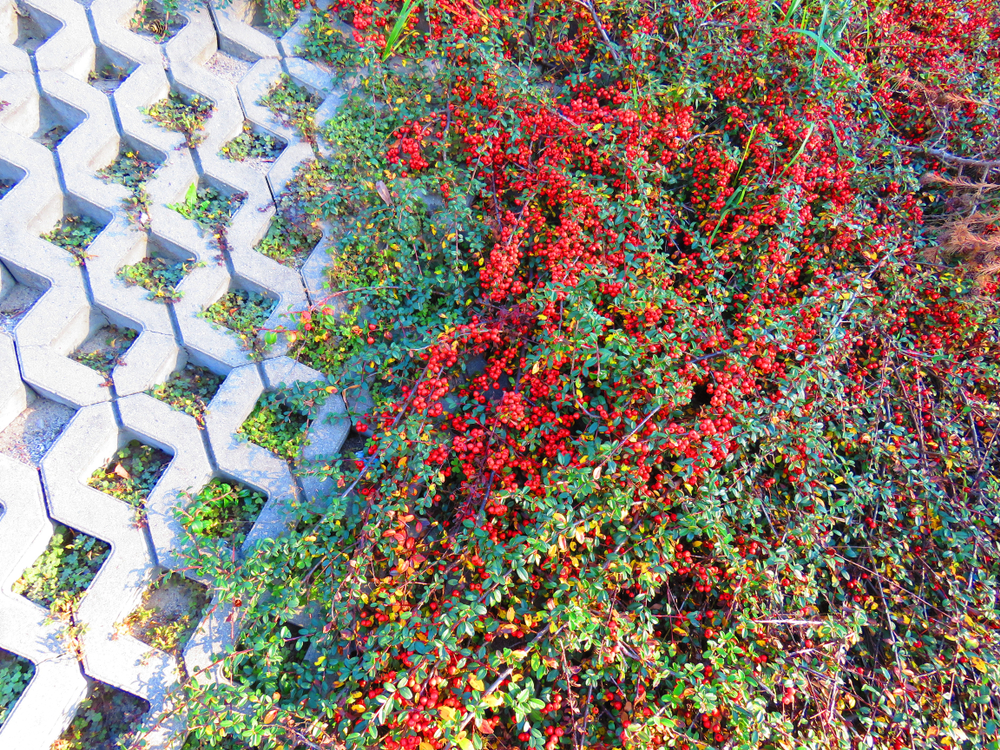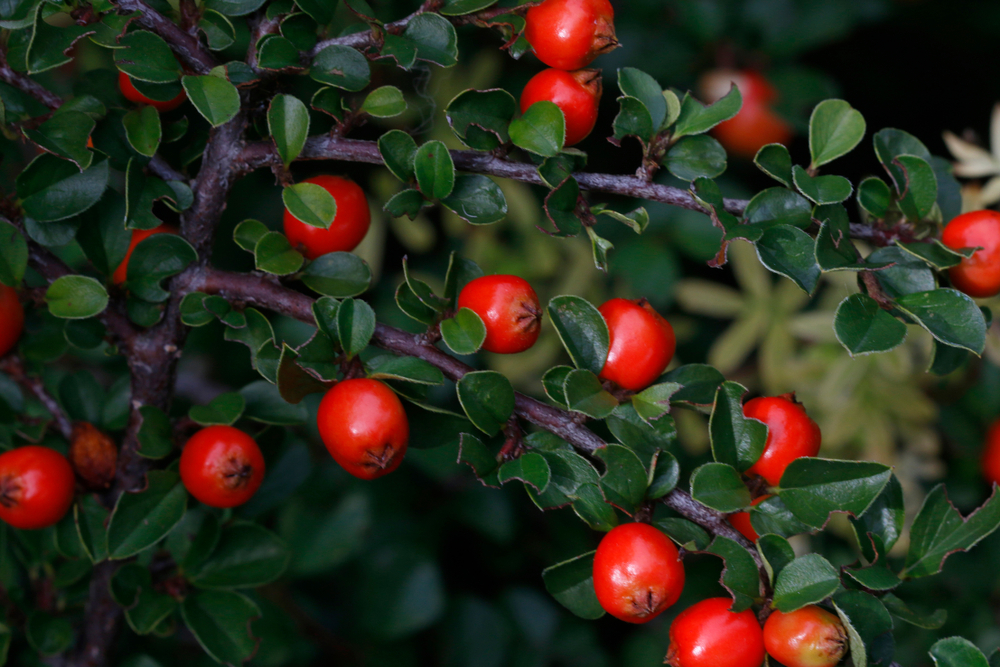
Whether you’re using it as a groundcover or a standalone shrub, Cotoneaster is a real favorite for home gardens, roadsides, and steep banks. It’s famous for those eye-catching, bright red berries, but here’s the catch: they’re strictly for decoration, not for snacking!
The Lowdown on Toxicity and Hydrogen Cyanide
You should know that Cotoneaster is considered mildly toxic. The culprit here is hydrogen cyanide, which is found in its highest concentration within the berries. Eating them can lead to some pretty unpleasant symptoms, such as:
- Nausea
- Vomiting
- Diarrhea
- Stomach pain
- Swelling of the lips
- A burning sensation in the mouth
I definitely recommend keeping these off the menu. While popping a single berry might not trigger an immediate reaction, symptoms usually kick in after eating 10 to 20 berries, depending on your body weight. Still, it’s better not to experiment! Seniors, people with underlying health issues, and children are at a much higher risk for complications.
It’s Not Just the Berries
The berries aren’t the only parts you need to watch out for. The leaves and bark are also mildly toxic because they contain prunasin and amygdalin (cyanogenic glycosides). These compounds can cause the same poisoning symptoms mentioned above. Even the seeds inside the fruit—which are used for propagation—are toxic and definitely not edible.
So, please be careful when handling Cotoneaster. It’s especially important to teach kids that those berries are off-limits. Their bright red color looks incredibly tempting to little ones, and combined with a child’s natural curiosity, things can get dangerous fast. Education is key here, or you might even consider waiting until the kids are a bit older before planting them. And don’t forget to keep an eye on your pets if they have access to the garden!