The medlar is such a versatile plant: some varieties work beautifully as ground cover, others shine as a standalone focal point, but they also make for a fantastic hedge. A medlar hedge brings a lot to the table, and I’m going to walk you through everything you need to know to get started.
The Photinia is your best bet for a hedge
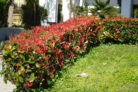
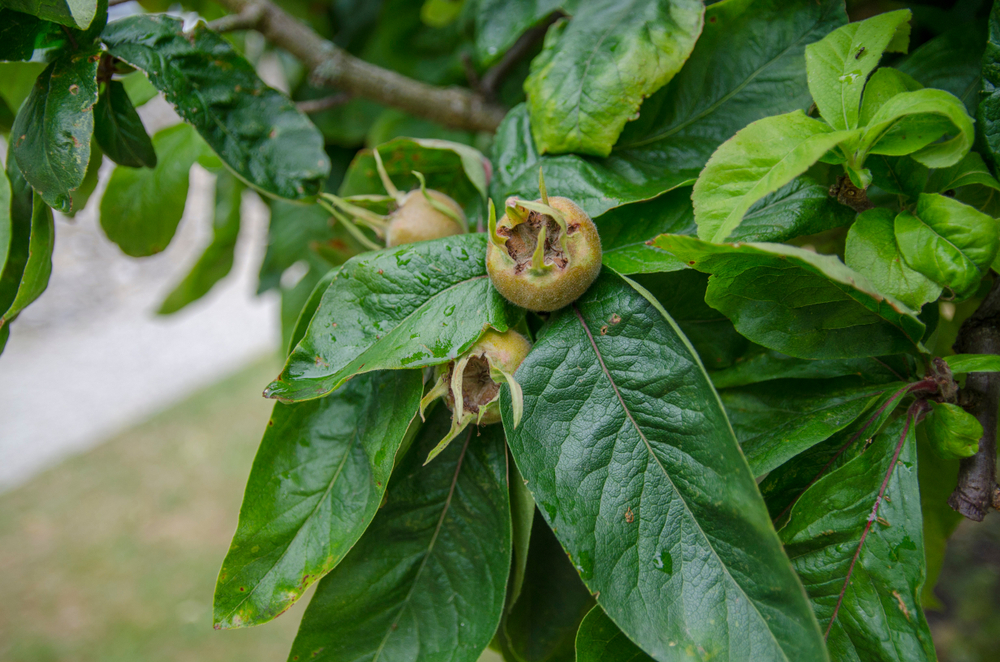
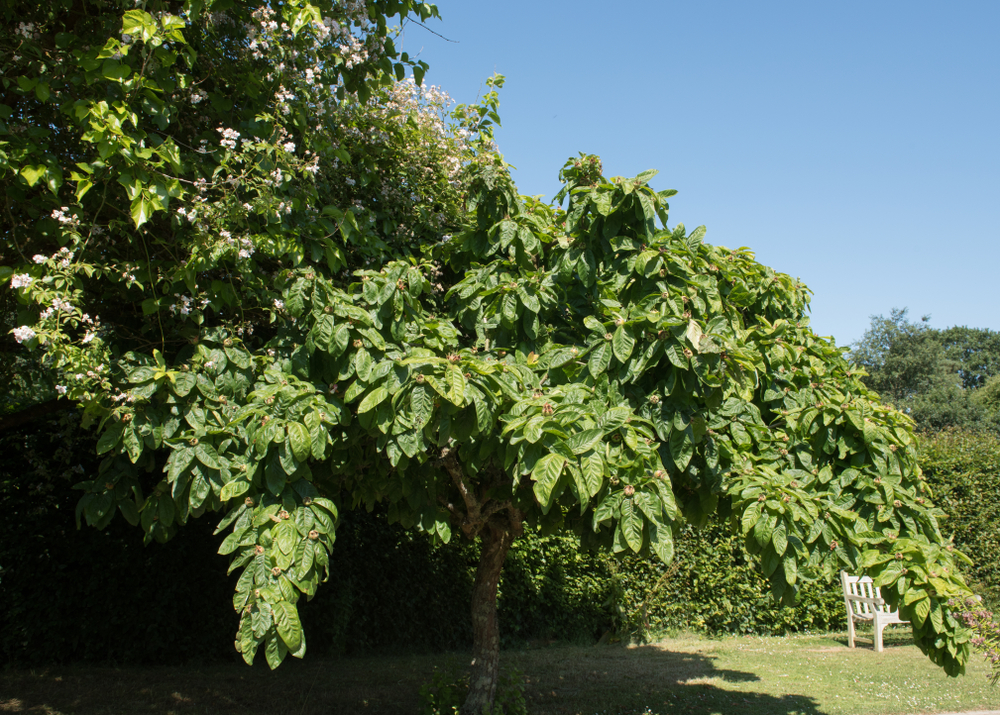
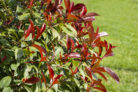
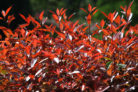
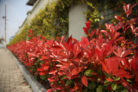
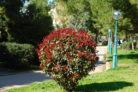
If you’re looking to grow a hedge, you’ll definitely want to look into the Photinia (often called Red Tip Photinia or *Glanzmispel*). While the “Common Medlar” (*Mespilus germanica*) is lovely, it tends to get a bit sparse and leggy at the bottom, which isn’t ideal for privacy. The Photinia, on the other hand, is evergreen—a huge plus for year-round coverage. The real showstopper, though, is the new growth; those young shoots come in a brilliant, fiery red. Plus, the delicate white flowers add a really nice decorative touch in the spring.
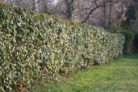
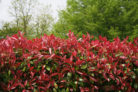
But for a hedge, what really matters is the structure. These plants have a wide, upright growth habit and a solid growth rate of about 8 to 16 inches per year. A Photinia hedge can reach heights of up to 15 feet, making it a perfect natural screen. Because it grows so densely, it’s virtually opaque; usually, within just three years of planting, it’s thick enough to keep out any prying eyes.
In the summer, the leaves are a lush, deep green, and as fall and winter roll around, they take on reddish hues. This creates a stunning contrast against other evergreens in your yard. Best of all? Those leaves stay put all year long, even when the temperature drops.
How to prune your Photinia hedge
Another reason I love Photinias for hedging is that they handle pruning like a champ. Generally, a single “shape-up” once a year is all you need. The trick is to wait until after the blooming period is over before you grab your shears—usually June or July is the sweet spot. Just trim back any branches that have strayed out of line or are looking a bit messy.
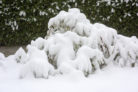
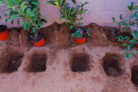
When it comes to location, your hedge will be happiest in a warm, sunny spot that’s protected from harsh winds. When you first plant them, make sure to keep them well-watered. Once they’re established, you’ll really only need to water them during long dry spells. A medlar hedge is quite hardy and can handle temperatures down to about -7°F without a problem. Just a heads-up: if you have a very young plant and a brutal cold snap hits, it’s a good idea to protect it with some garden fleece.