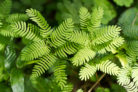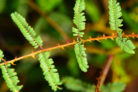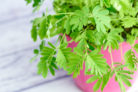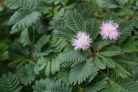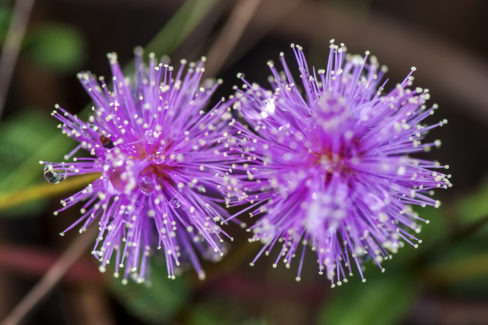
Hailing from the tropical regions of South America, the sensitive plant (or *Mimosa pudica*) can put on a stunning show of pink blossoms if you give it exactly what it needs. I’ll be honest with you: these tropical beauties are a bit high-maintenance and definitely crave more attention than your average houseplant.
The Blooms
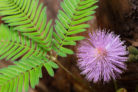
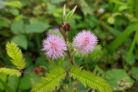
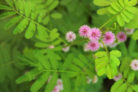
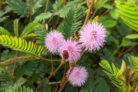
Most sensitive plants feature pink or violet flowers that look like fuzzy little spheres, reaching about ten millimeters in diameter. Aside from the color, they actually look a lot like a dandelion puffball!
Blooming Season
You’ll usually see the first flowers open up around May. If you’ve nailed the location and care routine, your plant can stay in full bloom all the way through September.
Tips for a Beautiful Bloom
To get a rich display of flowers, the right location and care are everything. Keep these three things in mind:
- Find a bright spot that stays out of direct, scorching sunlight.
- Keep things warm—ideally between 65 and 72 degrees Fahrenheit.
- Maintain high humidity (around 50 to 60%).
The pot you choose also plays a huge role in how well your plant flowers. You want a container large enough for the roots to grow comfortably, but don’t go *too* big. Interestingly, these plants often bloom better when their roots feel a little bit of a boundary. If you just bought a new plant, go ahead and repot it into a slightly larger container right away.
Don’t Prune Those Faded Flowers
Whatever you do, don’t reach for the scissors to cut off wilted flowers or any part of the plant. Sensitive plants are—well, sensitive!—and they really dislike being pruned. Just wait a few days; the spent blooms will fall off on their own, and you can simply pick them up.
From Flowers to Seeds
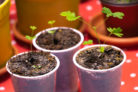
If you keep your plant outdoors on a balcony or patio, local insects will likely handle the pollination for you. Once that happens, the plant will produce seeds, which you can use to grow brand-new plants.
If you’re planning to collect seeds for propagation, leave the flowers on the stem until they are completely dried out. Usually, by that point, the seeds inside are fully mature and ready to sprout.
A Quick Safety Note: They Are Toxic
Keep in mind that all parts of the sensitive plant above the soil are toxic. Make sure to place your plant somewhere safe, well out of reach of curious kids and pets.