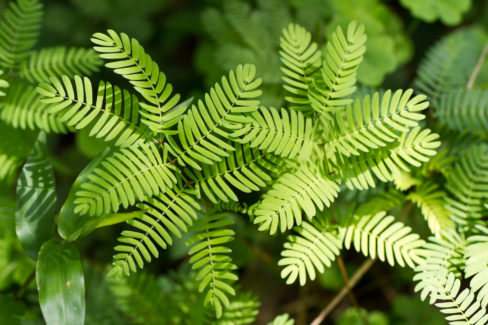
The Mimosa pudica, or “Sensitive Plant,” has a pretty cool trick up its sleeve. If you touch it or if the temperature shifts, its green leaves fold up tight. While this is a fascinating defense mechanism, it actually takes a ton of energy for the plant to pull off.
A Closer Look at the Foliage
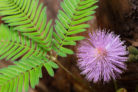
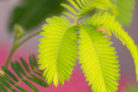
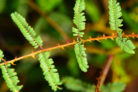
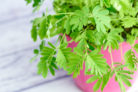
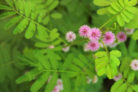
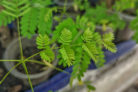
The Mimosa is covered in lush green, bipinnate leaves (meaning they have a double-feathered structure) attached to long stems. Each leaf is made up of about 10 to 26 tiny leaflets. These leaflets don’t have their own stems; they’re oblong-shaped and either come to a point or are slightly rounded at the tips. You’ll also notice tiny “stipules” (small leaf-like appendages) along the main stalks.
One thing you’ll notice if you look closely: the main leaves, the leaflets, and the stipules all have a slightly bristly texture.
The Science of the “Fold”: Nastic Movements
The real star of the show is how these leaves move. When triggered by a stimulus, the leaves fold inward one after another. Botanists call these protective movements “nastic movements.”
What Triggers the Reaction?
The plant is sensitive to a few specific things:
- Vibrations in the immediate area
- Physical touch (like from your finger)
- Rapid changes in temperature
- Changes in light levels
Interestingly enough, things like a light breeze or a draft usually won’t trigger the folding.
How Long Does It Last?
Once the leaves fold up, they stay that way for about 30 minutes. After that, they’ll slowly start to unfurl until they’re back to their original, open state.
Don’t Overdo It!
Even though it’s tempting to poke the leaves (and trust me, kids love it!), try not to trigger the folding on purpose. Opening and closing those leaves is an exhausting workout for the Mimosa. Some varieties take a long time to recover and can become permanently weakened if they’re constantly forced to react. It’s best to let the plant save its energy for growing.
Leaf Discoloration and Troubleshooting
A healthy Mimosa should be a vibrant light-to-dark green. If you notice the leaves turning yellow or dropping off, it’s usually a sign that something is off with its location or care routine. Most of the time, yellowing is caused by either too much or too little water.
Also, keep an eye out for tiny white webs. These are a telltale sign of spider mites. You’ll want to treat those quickly to keep them from spreading and sapping the life out of your plant.