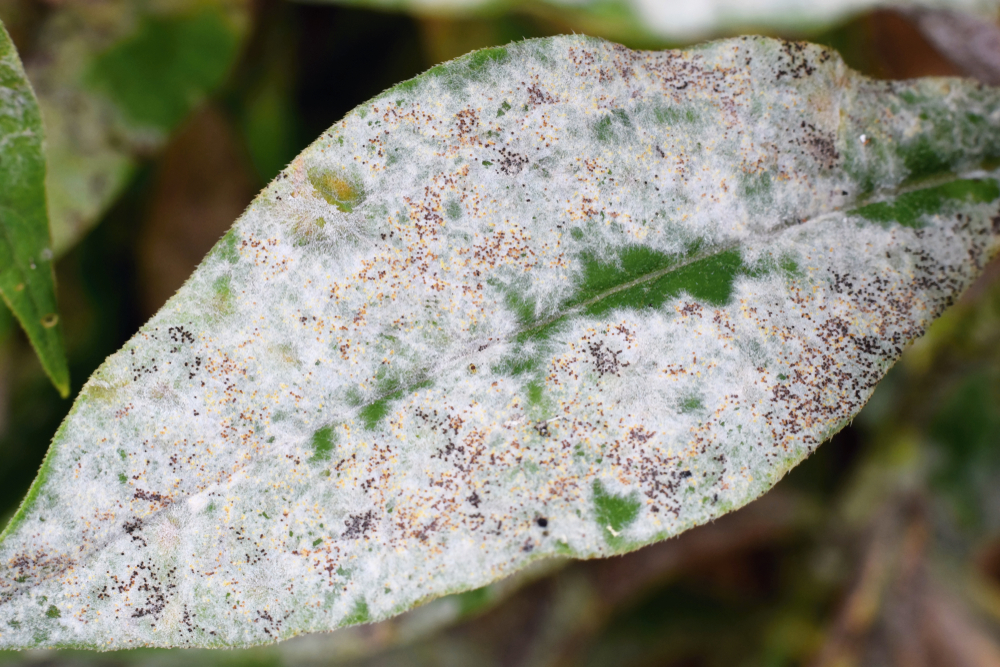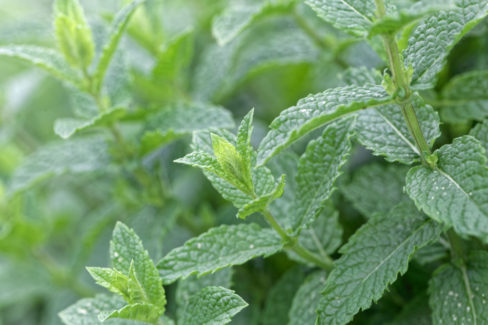
Powdery mildew taking over your fragrant mint is a real bummer. Not only does it make your beautiful herbs look like they’ve been dusted with flour, but it also ruins the flavor of those aromatic leaves. But don’t worry—your mint isn’t a lost cause! You can definitely save it, and I’m going to show you how.
Powdery vs. Downy Mildew
In the gardening world, we usually deal with two types of mildew. While the treatment is pretty much the same regardless of which disease is attacking your mint, it’s good to know what you’re looking at. Here are the main differences:
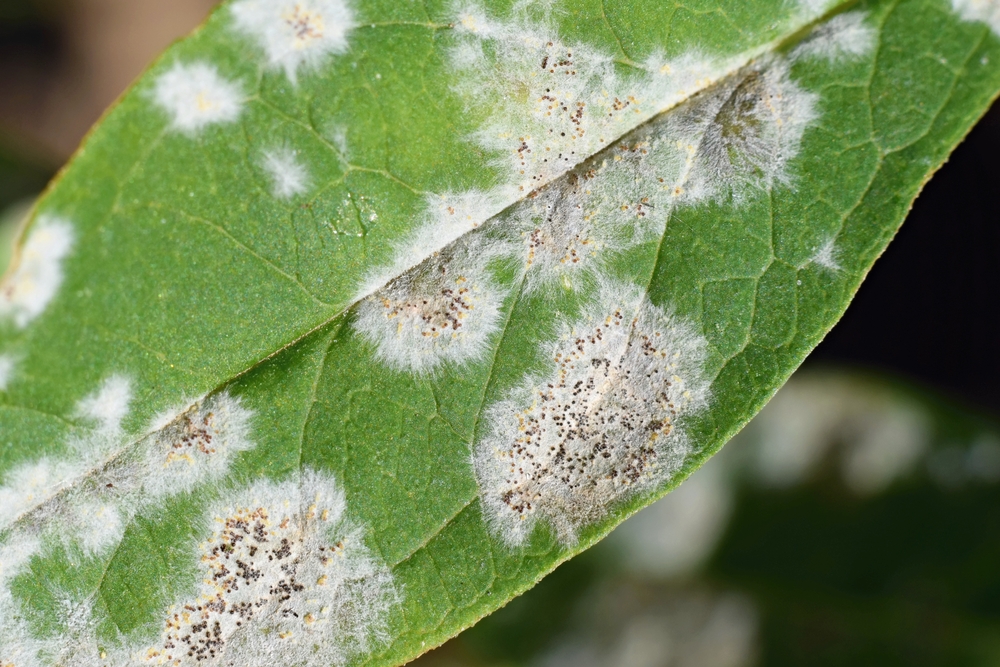
- Powdery Mildew: Loves those warm, dry days. You’ll see a white, flour-like coating on the tops of the leaves, stems, and even the flowers.
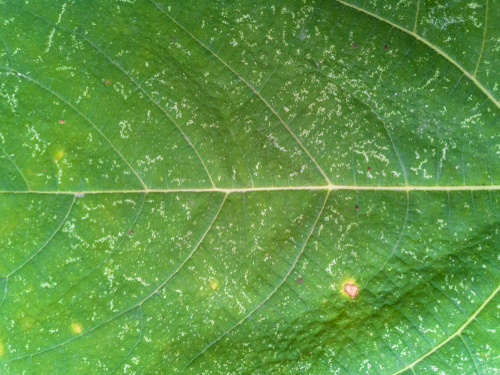
- Downy Mildew: Thrives in warm, humid weather. Look for a grayish-white fuzz on the undersides of the leaves and yellowish or brown spots on the top.
If left unchecked, the leaves will eventually shrivel up and die.
A Winning Strategy to Fight Back
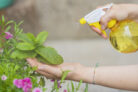
To get rid of mildew on mint, I recommend a two-step approach. First, grab your shears and cut away all the infected parts of the plant. Once you’ve cleared out the “sick” bits, it’s time to spray the rest of the plant (and its neighbors, since mildew spreads fast!) to keep the fungus from coming back.
The best part? You don’t need to run to the store for expensive chemicals. You probably have the ingredients for a DIY remedy in your kitchen right now:
- The Milk Mix: Mix raw or whole milk with water at a 9:1 ratio (9 parts water, 1 part milk). Avoid UHT or pasteurized skim milk—you need the good bacteria and fats found in whole milk.
- Herbal Teas: A strong garlic tea or a tansy decoction (steeped for about an hour) also works wonders as a natural antifungal spray.
Quick Tip:
Don’t toss those infected clippings into your compost bin! The spores can survive the winter and reinfect your garden next spring. Throw them in the trash instead.
To Eat or Not to Eat?
A common question I get is: “Can I still harvest and eat mint that has mildew?” Technically, these fungi don’t produce toxins, so they aren’t poisonous. However, some people are sensitive to the spores and might have an allergic reaction.
Since powdery mildew stays on the surface, you *could* wash it off. But honestly? Most gardeners find it pretty unappetizing. If the infestation is heavy, it’s usually better to prune the plant back and wait for fresh, healthy growth.
How to Prevent Mildew in the First Place
It seems like every year, mildew finds its way into the garden. To make sure your mint stays off the “guest list,” try these preventative steps: