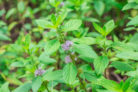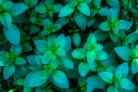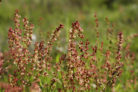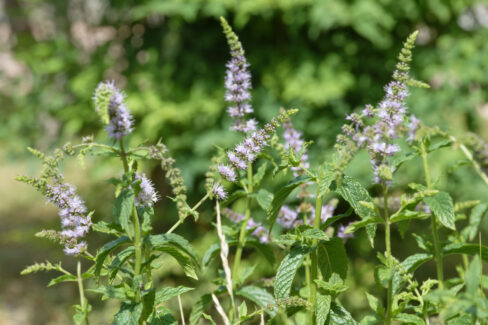
Growing peppermint in your garden or on your balcony is about so much more than just a fresh cup of tea. Those peppermint blossoms are actually quite lovely to look at, and they give off a wonderfully delicate, refreshing scent.
When Does Peppermint Bloom?
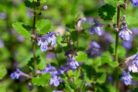
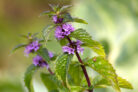
Peppermint usually starts showing off its flowers in June, and the show lasts right through August. If the weather stays nice and warm, you might even see blooms into September. You’ll notice small spikes covered in tiny, pale pinkish-white flowers.
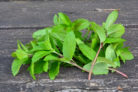
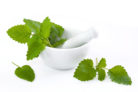
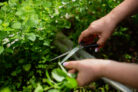
Here’s a pro tip: while those flowers are developing, the essential oils in the leaves are at their peak. If you’re dreaming of a strong, punchy peppermint tea for the winter, this is the best time to harvest your leaves. Once the flowers fully open, the oil concentration in the leaves starts to dip. But don’t worry—they’re still perfectly edible! You might have heard a rumor that mint becomes toxic after it flowers, but that’s just a myth. You can keep harvesting, though you might notice the tea tastes a bit more “herbal” or bitter than before.
While the flowers themselves don’t have that signature minty flavor and aren’t great for tea, they are a foodie’s dream for garnishing. Use them fresh or dried to dress up salads and desserts. Since they’re non-toxic, they’re totally edible and look amazing in jams, syrups, or as a fancy “kick” in a summer punch.
If your main goal is harvesting the most flavorful leaves all summer long, you can simply pinch off the flower buds before they open. This forces the plant to put all its energy back into the leaves rather than the seeds. Of course, you’ll miss out on those pretty blossoms in your garden beds!
The Role of Flowers in Propagation
After the blooming season, those flowers produce peppermint seeds. However, most gardeners don’t actually use seeds to grow more mint. Peppermint is a bit of a speed demon and spreads much faster through:
- Runners (stolons)
- Tip cuttings
- Division (the most common method)
- Seeds (rarely used, but possible!)
That said, if you want to try your hand at growing from scratch, you can definitely harvest and dry the seeds for planting later on. The easiest way is to shake the seeds out of the spent blooms and store them in a sealed container in a dry place.