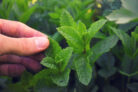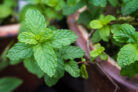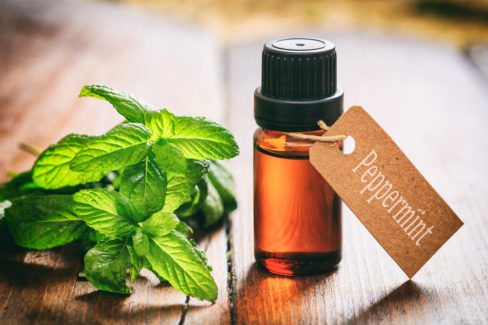
All peppermint is mint, but not all mint is peppermint! It’s a common mix-up, but peppermint is actually just one specific variety in a massive family of mint species. If it didn’t have such a unique personality, it probably wouldn’t have become the garden staple we all know and love today.
Where Does Peppermint Come From?
Mint or peppermint—is there really a difference? While people often use the names interchangeably, peppermint is its own distinct species. Its exact “origin story” is a bit of a mystery, and there are a few theories out there. Some say it’s a natural hybrid that first popped up in Asia, while others point to England. We do know for sure that it started spreading across Europe from England in the 17th century. However, there’s also a chance that peppermint was growing wild in Greece long before that.
That Signature Peppermint Punch
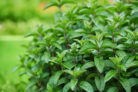
What sets peppermint apart from other varieties is its high concentration of essential oils, specifically menthol. This gives it that intense, cooling, and sometimes spicy kick that we all recognize. Because it’s so potent, it’s incredibly versatile as both a medicinal herb and a culinary treat. Most of us reach for it to brew a soothing tea or to add a refreshing twist to cold drinks.
Quick Tip:
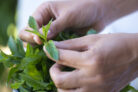
You can use your peppermint sprigs fresh right off the plant, but they also dry and freeze beautifully. For the best flavor, harvest your mint by cutting the stems back by about half just before the plant starts to bloom.
Growing Peppermint at Home
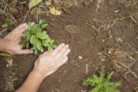
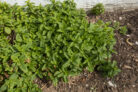
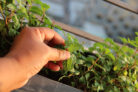
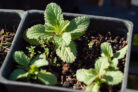
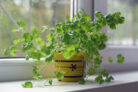
The great news is that peppermint is super easy to grow at home. Since it’s a perennial and very hardy, you can plant it directly in your garden beds and it’ll come back year after year. No garden? No problem! Peppermint thrives in large pots on a balcony. Just remember that potted mint needs a little extra love to get through the winter—wrap the pot in burlap or bubble wrap and cover the soil with some brushwood for insulation. You can easily find young plants at the nursery, or grow your own from cuttings. Growing from seeds is tricky because they often don’t germinate well, and the flavor of the seedlings can be hit-or-miss.
To keep your peppermint happy, aim for these conditions:
- A bright spot with partial shade
- Protection from the scorching midday sun
- Soil that stays consistently moist (don’t let it dry out!)
- Rich, nutrient-dense soil or compost
- Good drainage at the bottom of your pots
Quick Tip:
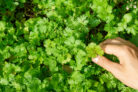
When planting peppermint in the ground, consider sinking it into the soil inside a large bottomless bucket or pot. This acts as a barrier to stop the roots from spreading and taking over your entire garden!
Caring for Your Peppermint
Peppermint is pretty low-maintenance. Your biggest job will be watering. In the heat of summer, you might need to water daily, and even in the winter, you shouldn’t let the soil go bone-dry. Here are a few other maintenance tips:
- Fertilize with compost in the spring.
- Divide the plant every 3 to 5 years to keep it rejuvenated (and move it to a new spot to keep the soil fresh).
- Repot container plants every 2 years.
A Note on Herb Spirals:
Peppermint isn’t usually the best fit for a classic herb spiral. It doesn’t share the same tastes as Mediterranean herbs like rosemary or thyme, which crave full sun and dry, sandy soil.