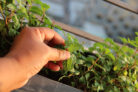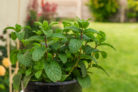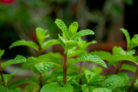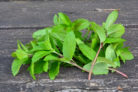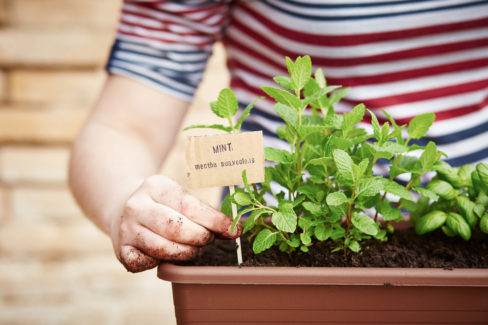
You don’t need a huge backyard to enjoy fresh, homegrown mint. In fact, a simple balcony—like the ones found in most apartments—is more than enough for this fragrant herb to thrive. Once you find the perfect spot and dial in your care routine, you’ll be set for a flavorful harvest all season long.
Getting Your Mint Ready for the Balcony
If you’re planning to move your mint outdoors for the first time, it’s best to wait until the danger of frost has passed (usually around mid-May). However, you can get a head start weeks earlier! Mint is super easy to start from seed on a sunny windowsill or propagate from cuttings. Starting early means you’ll be harvesting those leaves much sooner.
Once mint hits the balcony, it’s going to want to take over. To keep it happy and lush, choosing the right pot and soil is key:
- Plastic, ceramic, or stoneware pots all work great.
- Aim for a pot diameter of at least 12 inches (30 cm).
- A large drainage hole and a saucer are non-negotiable.
- Add a drainage layer of clay pebbles or gravel at the bottom.
- Use a high-quality potting mix or herb soil blended with a little compost and sand.
Pro Tip:
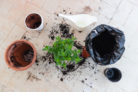
Mint is a fast grower and will likely become root-bound after about two years. When that happens, give it a good pruning in the spring and repot it into a slightly larger container with fresh soil.
Finding the Sweet Spot
While mint loves light, the scorching midday sun can actually cause brown spots (sunburn) on the leaves. Your best bet is to place your potted mint in partial shade. If your balcony is a total sun trap, try to shade the plant using a patio umbrella or taller neighboring plants. Also, try to tuck it into a corner where it’s protected from harsh winds.
The Secret to Happy Balcony Mint
Most mint varieties are actually pretty light feeders. If you use fresh, nutrient-rich potting soil, you won’t even need to fertilize for the first year. After that, a little organic liquid fertilizer or fertilizer spikes once a month from May through August will do the trick.
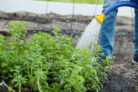
The real “challenge” with mint is its thirst. This herb loves consistently moist soil—it should never dry out completely, though the very top layer can feel dry to the touch. During a hot summer, you’ll likely need to grab the watering can every single day. Just be sure to empty the saucer shortly after watering, as mint hates sitting in stagnant water (wet feet are a no-go!).
Harvesting Your Bounty
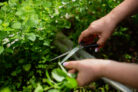
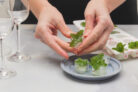
For the best flavor, snip off entire stems right before you’re ready to use them. Make sure to leave at least two leaf nodes (the little bumps where leaves grow) on the plant so it can grow back. Mint tastes best after a few sunny days when the essential oils are at their peak. In the fall, you can harvest whatever is left and dry or freeze the leaves for winter use.
Winter Care on the Balcony
Since mint is a perennial, it will come back year after year. After the first light frost, cut the plant back, cover the soil with some brushwood or mulch, and wrap the pot in burlap or fleece to protect the roots. This should help your mint overwinter right on the balcony. If you’re worried about a deep freeze, you can also move the pot into a garage or cellar for extra protection.