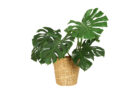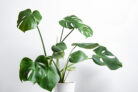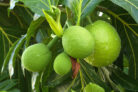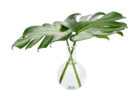
Philodendron and Monstera are two jungle favorites that both hail from the rainforests of South America, and honestly, they get mixed up all the time! It’s easy to see why—these evergreen houseplants look like long-lost twins. However, there’s one major difference you should know: only the fruit of the Monstera deliciosa is safe to eat.
Spotting the Differences in Growth and Leaves
To tell a Monstera apart from a Philodendron, you just need to take a closer look. Even though they both belong to the Araceae (Arum) family, they actually come from different genera. Here are the main features to help you spot who’s who:
- Monstera are natural climbers.
- Not all Philodendrons climb; some grow more like upright trees or bushy shrubs.
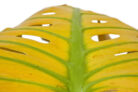
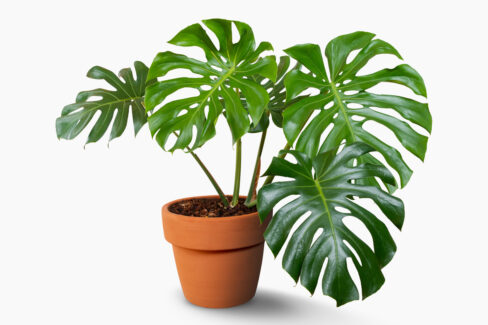
- Monstera leaves almost always have those iconic deep splits or holes (fenestrations).
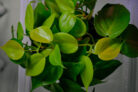
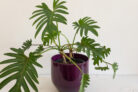
- Philodendron leaves are more versatile—they can be lance-shaped, lobed, or have smooth, solid edges.
- Monstera leaves are usually a glossy green on both sides.
- Some Philodendron varieties have a gorgeous reddish tint on the underside of their leaves.
Flowers and Fruit: A Tale of Two Scents
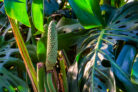
At first glance, the blooms and fruit of a Monstera deliciosa and a Philodendron might look similar, but if you get up close, the differences are pretty clear:
- Monstera flowers are hermaphroditic, meaning they have both male and female parts in one.
- Philodendron flowers are monoecious—the male and female flowers grow separately on the same plant.
- The flowers of the “Swiss Cheese Plant” (Monstera) have a subtle, pleasant scent.
- Philodendron flowers… well, they smell like rotting meat to attract pollinators!
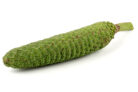
If you want a Philodendron to bear fruit, you’d actually have to pollinate it by hand. But a word of caution: Philodendron fruit is toxic and will make you sick. Only the ripe fruit of the Monstera deliciosa is edible. It’s actually considered a real delicacy and tastes like a tropical mix of pineapple and banana!
Different Plants, Different Superpowers
Both Monstera and Philodendron are more than just pretty faces; they’re actually quite useful to have around the house. Besides looking stunning with their lush foliage, they both work hard to clean the air and water.
Philodendrons use those big leaves to pull toxins right out of the air. That’s why you’ll often see them in offices—they’re great at absorbing things like carbon monoxide, benzene, and formaldehyde, making the air much fresher to breathe.
On the other hand, the Monstera deliciosa uses its long aerial roots for more than just climbing. It can actually filter nitrates out of aquarium water. While nitrates can be harmful to fish, they’re a vital nutrient for the Monstera. Talk about a win-win!
What They Have in Common
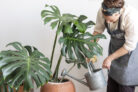
Despite their differences, these two have very similar “wish lists” when it comes to care. Both thrive in warm, humid spots with bright, indirect light (partial shade). To keep them happy, water them with filtered or lime-free water and give them a gentle misting every now and then. Follow those simple steps, and both will flourish in your indoor jungle!