A lot of flowering plants are actually edible, even if we’d never guess it! Most of us stick to the “safe” veggies we know from the grocery store because we’re worried about toxins, but that means we might be missing out on some unique garden treats. So, that brings up a common question: Can you actually put Moss Rose on your dinner plate?
Plants with “Portulaca” in the Name
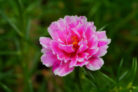
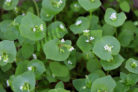
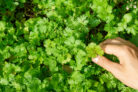
Even though Moss Rose (*Portulaca grandiflora*) has those stunning blooms, it’s not exactly a household name for everyone. This leads to a lot of confusion with other plants that share the “Portulaca” or “Purslane” name—specifically Common Purslane (Summer Purslane) and Miner’s Lettuce (Winter Purslane). Getting the ID right is super important because these three don’t just have different growing needs; they also vary in how useful they are in the kitchen.
While Summer and Winter Purslane are widely considered leafy vegetables, Moss Rose is primarily grown as an ornamental flower. If you’re not 100% sure which one is rooting in your garden, a quick image search or a flip through a plant encyclopedia will help you clear things up in no time.
Is Moss Rose Toxic?
More and more adventurous gardeners are looking for new flavor experiences by tasting plants that originally entered the garden as “just” flowers. Of course, you should never go into a tasting blindly! You’ve got to confirm whether a plant is toxic first. It’s no secret that some of the prettiest flowers in the bed have the potential to be dangerous if ingested. Luckily, Moss Rose is considered non-toxic.
Is Moss Rose Actually Edible?
If you’ve ever grown Common Purslane as a vegetable, you already know how tasty and succulent those fleshy leaves can be. Is it the same story for the frost-tender Moss Rose? Well, yes and no.
Technically, the answer is a clear “yes”—it is edible. However, since flavor is a pretty big deal when it comes to cooking, the answer leans more toward “no.” You’re welcome to try a bit to see if the flavor profile works for you, but I’d recommend keeping the portions small. Moss Rose contains oxalic acid and alkaloids, so it’s best enjoyed in moderation.
Using the Blooms as Decoration
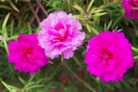
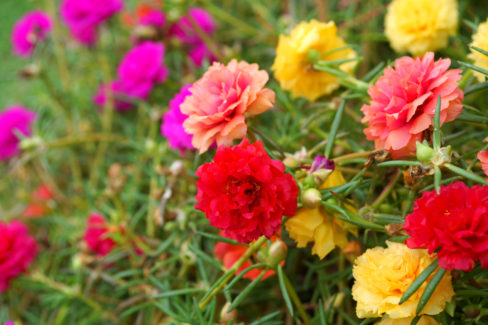
The flowers of the Moss Rose are also edible, but like the leaves, they don’t offer much in the way of a “wow” factor for your taste buds. They more than make up for it with their looks, though! Their vibrant colors make them a fantastic choice for garnishing dishes or dressing up summer cocktails.
- Blooming season runs from June through August.
- The sunnier the spot, the more flowers you’ll get.
- They come in brilliant shades of white, yellow, orange, pink, red, and even bicolors.
Pro Tip:
Since Moss Rose can’t survive the winter outdoors in most climates, make sure to leave a few flowers alone so they can go to seed. You can collect those seeds and start new plants indoors come March, then transplant them into the garden in mid-May.