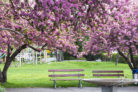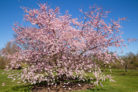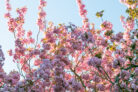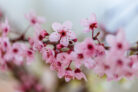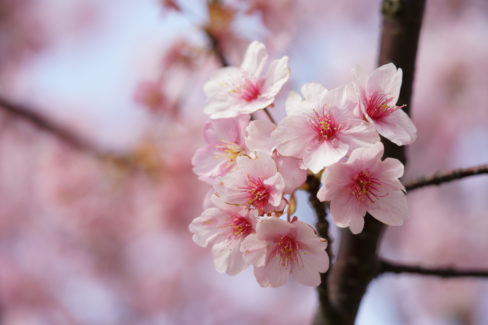
The vibrant pink blooms of the Japanese Flowering Cherry are a total showstopper in the spring. By the time summer rolls around, you’ll start to see little cherries popping up that look a lot like wild cherries, turning a deep purple or even black. But the big question is: can you actually eat them, or should you just enjoy the view? Let’s dive in and find out.
The Fruit: An Acquired Taste
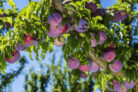
The tiny fruits on the Japanese Flowering Cherry look remarkably like wild cherries and usually ripen toward the end of July.
Here’s what to look for:
- They range in color from deep purple to jet black.
- They’re small, usually about half an inch in diameter.
- They have a round or slightly oval shape.
- Good news: they aren’t toxic!
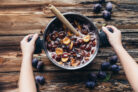
While these cherries are a favorite snack for local birds, most of them end up falling to the ground and drying out. Why? Well, they aren’t exactly the sweet, juicy treats we’re used to from the grocery store. They tend to be quite tart, a bit bitter, and have a much firmer texture than a classic sweet cherry.
If you’re looking for a summer harvest to bake into a pie, you’re better off planting a standard sweet cherry tree. Even with great care and regular pruning, these ornamental trees just aren’t bred for high-quality fruit production.
The Blossoms: Edible Decor
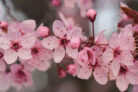
From late March to early April, the tree is covered in those iconic blossoms. Believe it or not, these are edible too! They have a unique flavor profile—sweet with a hint of herbal bitterness.
Here are a few ways to use them:
- Toss them into a colorful summer salad or use them in a vinaigrette.
- Garnish desserts like pudding, cake, or ice cream.
- Use them as a sophisticated topping for chilled soups.
- Or, just pluck one off the tree for a quick floral taste test!
The Leaves: A Secret Ingredient
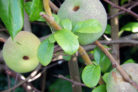
Beyond the flowers and fruit, you can actually use the leaves in your kitchen as well. The best time to harvest them is in the spring. They actually have a flavor that reminds many people of sweet cherries!
Try to pick them shortly after they first emerge. At this stage, they are bright green, shiny, and tender. They’re much milder and have a better texture than the older, tougher leaves you’ll find later in the season. They’re a fun, “foodie” addition to salads, cocktails, or even your morning smoothie.
Pro Tips for Your Tree
If you want a lush harvest of leaves and plenty of blossoms, make sure you plant your Japanese Flowering Cherry in a sunny spot. It really needs at least 6 hours of direct sunlight every day to truly thrive and show off its colors!