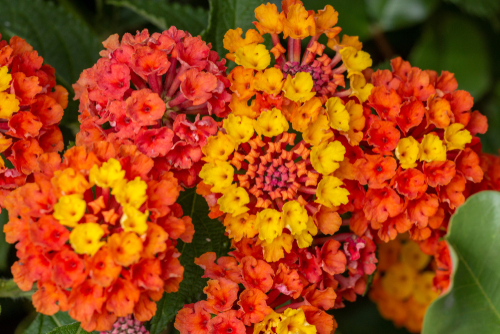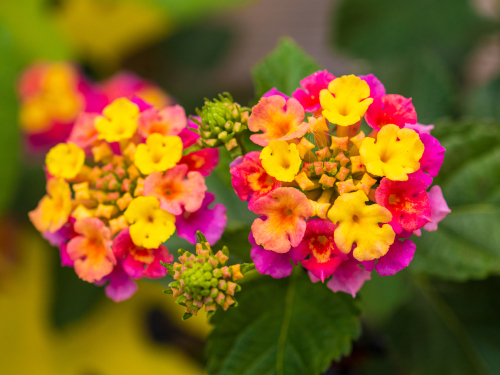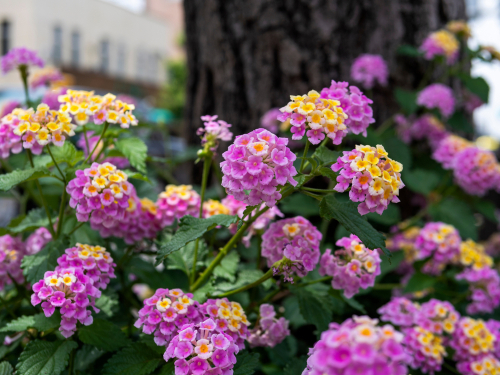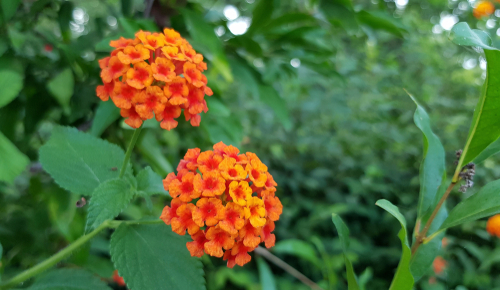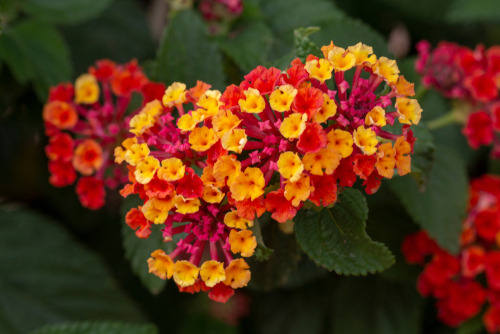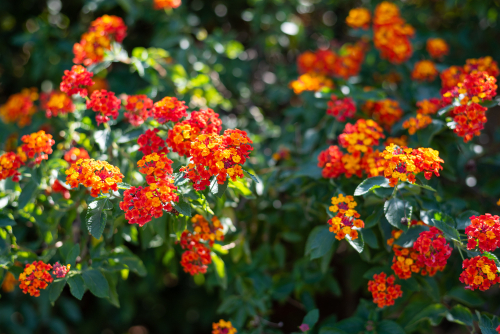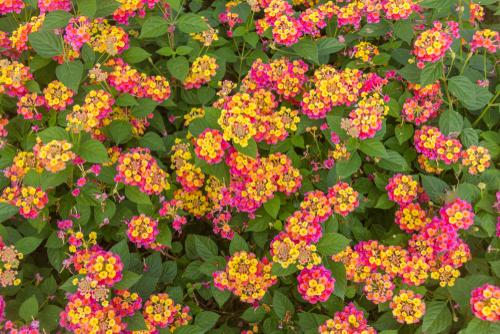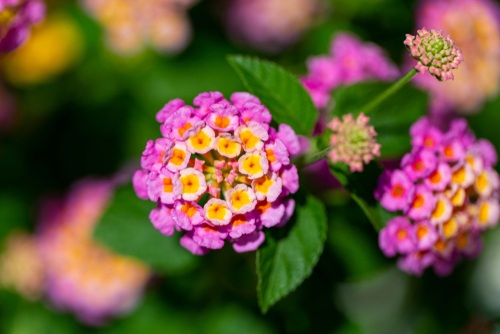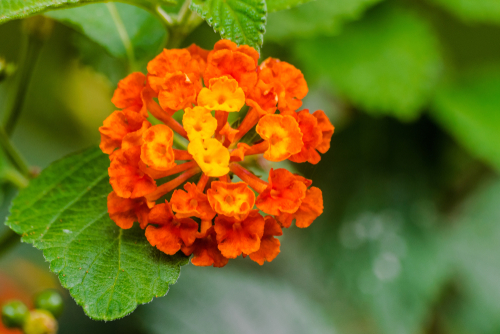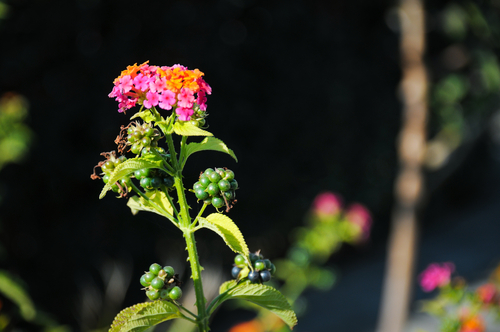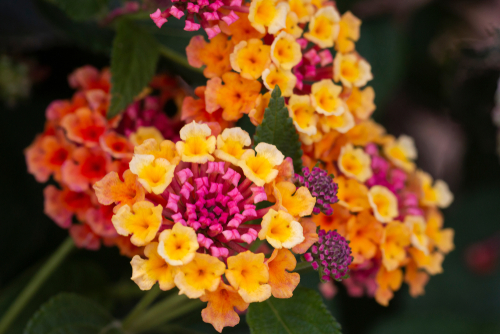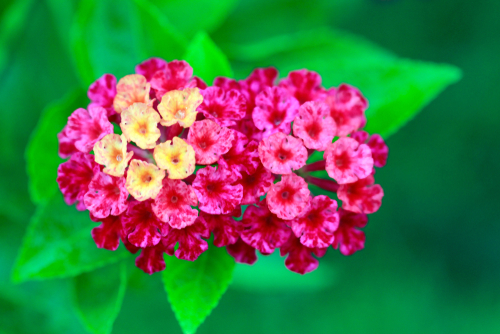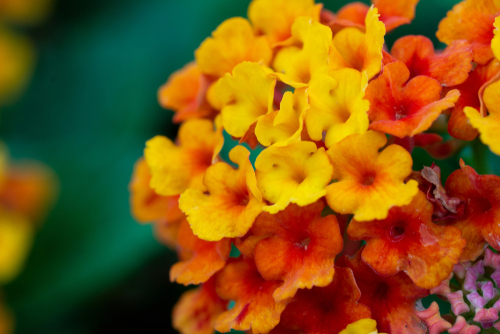
In their natural habitat, Lantanas call the tropical regions of Central America home. Because they’re used to that warm, balmy climate with super mild winters, they aren’t exactly built for chilly northern winters. In fact, these beauties won’t survive a frost outdoors, so you’ll need to make sure you have a cozy winter spot ready for them well in advance.
Don’t Wait Until the First Frost
Lantanas start getting stressed the moment temperatures dip below 40°F (5°C). To keep your plants from kicking the bucket, it’s crucial to bring them indoors during the fall. If you wait too long, you might lose them before the first real frost even hits, regardless of how great your care routine has been all summer.
Prepping for Winter Dormancy
Before you move your pots inside, give your plants a good pruning to clear out any dried-up or dead growth. Just a heads-up: Lantana is a toxic plant, so definitely pop on some gardening gloves before you start clipping. Once they’re trimmed, move them to a cool room in your house. Ideally, you want a spot where the temperature stays steady between 40°F and 50°F (5°C to 10°C) throughout the winter.
Skip the Fertilizer, Keep the Water
Winter is “me time” for Lantanas—they need to rest so they can recharge for next year’s blooms. During this dormancy, you should water them moderately but stop fertilizing altogether. The only exception is if you have no choice but to keep them in a warm living room. If they stay in a heated environment, they won’t go dormant, so you’ll need to keep up with the fertilizer.
No matter where they spent the winter, here is your game plan for the spring:
- Start fertilizing again toward the end of April.
- Give the plant a heavy prune, as Lantanas only produce flowers on new growth.
- Don’t move them back outside until the end of May, once the threat of a late-season frost has completely passed.