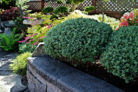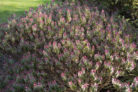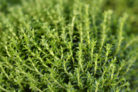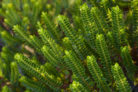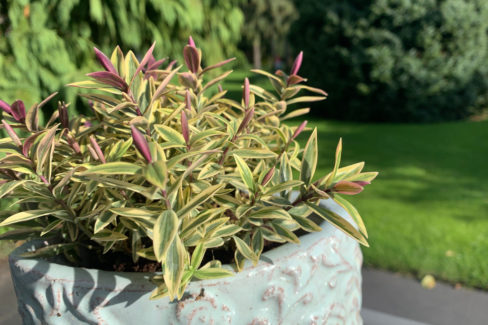
The Hebe, also known as Shrubby Veronica, is a total fan-favorite from New Zealand that looks amazing in garden beds, on patios, or brightening up a balcony. If you want those gorgeous blooms to really pop, picking the right spot is half the battle. Just keep in mind that depending on which variety you pick up, their “happy place” might vary a little bit.
Finding the Perfect Spot
The golden rule for Hebes? They love lots of light but aren’t big fans of breaking a sweat. If temperatures climb much higher than 65°F (18°C), you might notice the leaves changing color or dropping off entirely. Your best bet is a spot with partial shade or dappled sunlight—definitely try to avoid harsh, direct midday sun. If you’re growing yours in a sunroom or conservatory, you might even want to use some grow lights to make sure they’re getting enough brightness without the heat.
Hebes also appreciate a little “shield” from the elements. They don’t like being whipped around by the wind or pummeled by heavy rain. Great garden spots include areas near house walls, stone walls, or tucked against a hedge. Overhanging roofs on garden sheds or carports also make for a cozy, protected home.
Want to keep one as a houseplant? You can! Just place it on a windowsill that stays cool (around 65°F) and out of direct sunlight. If your room is a bit on the dim side, a small artificial light can work wonders.
The Right Soil Mix
Once you’ve found the perfect location, it’s time to talk dirt. If you’re planting in containers, you have total control over the mix. Hebes need loose, well-draining soil—think high-quality potting soil boosted with a bit of sand and clay granules. These plants absolutely hate “wet feet” (standing water), so drainage is key. I always recommend adding a layer of gravel or broken terracotta pieces at the bottom of the pot before adding soil to keep that water moving.
For the ultimate Hebe soil blend, try mixing:
- Humus-rich potting soil
- A bit of peat moss or coconut coir
- Some coarse sand for aeration
Growing in Containers
If you’re going the container route, location is still everything. On a patio, try to tuck the pot near a wall to protect it from the wind. A spot under an awning or a roof overhang is perfect because it provides a break from the rain and keeps the plant out of the scorching afternoon sun.