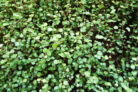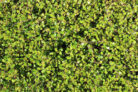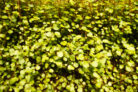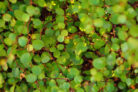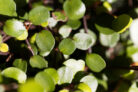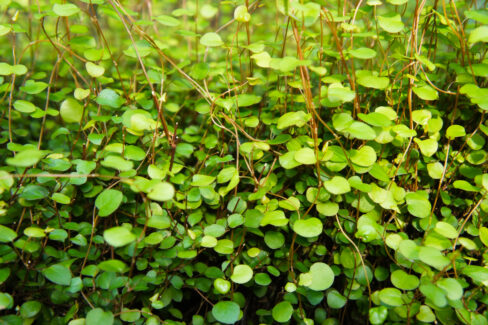
Since Muehlenbeckia (often called Maidenhair Vine or Creeping Wire Vine) thrives in partial shade and produces such lovely, lush green foliage, it’s a go-to favorite for ground cover. While this plant is generally pretty low-maintenance, there are a few tricks to keeping it happy. The most important factor? Picking the right spot. Here’s everything you need to know to get it right.
Where does Muehlenbeckia grow best?
Unlike some sun-hungry garden plants, Muehlenbeckia doesn’t need constant direct sunlight. It actually does quite well in partial shade, making it a fantastic choice for planting under trees where dappled light filters through the leaves. Because of its hardy, spreading nature, this “wire vine” is frequently used as a ground cover to fill in those tricky spots.
To keep your wire vine looking its best, it really needs two main things: consistent moisture and nutrient-rich soil. Before you dig your holes, take a quick look at your garden bed. If the soil is bone-dry or sandy, your Muehlenbeckia is going to struggle to take off.
How to improve your growing conditions
If your soil isn’t exactly “premium” yet, don’t worry—you can easily fix that with a little prep work. Start by loosening the soil well before planting to help the roots spread. Once it’s in the ground, make sure to water regularly so the soil stays consistently moist.
Here’s how to give your Muehlenbeckia a helping hand:
- Water regularly (keep it moist, but don’t let it sit in a swamp!)
- Use a good liquid fertilizer during the growing season
- Give the plant a good trim in the spring
You’ll also want to feed your wire vine on a regular schedule. From the time winter ends through the fall, add a bit of liquid fertilizer to your watering can once or twice a month. This ensures the plant has all the fuel it needs to grow thick and green. Pay extra attention right after planting—for the first two weeks, your new greens will need a bit more water than usual while they get settled into their new home.