To get the most out of your perennial thyme, picking the right spot is half the battle. As long as it’s soaking up the sun, this hardy herb actually thrives in those “difficult” areas where other plants might struggle.
Where’s the best spot to plant thyme?
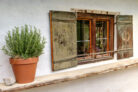
Since thyme originally comes from the Mediterranean, it’s a total sun-worshipper. Whether you’re planting it directly in your garden or keeping it in a pot on the balcony, you want to find a south-facing location that gets plenty of heat and very little shade. One pro tip: try to avoid drafty areas or “wind tunnels.” Thyme really isn’t a fan of constant, chilly gusts.
What kind of soil does thyme need?
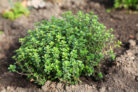
For thyme to really be happy, you need to get the soil just right. This plant is a survivor—it grows in places where other herbs would give up. It’s even tough enough to be planted between paving stones! To keep it thriving, look for soil that is:
- Loose and airy
- Sandy
- Lean (not too nutrient-rich)
- Dry
- Neutral or slightly alkaline
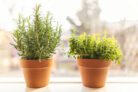
Too much moisture or heavy fertilizer is actually bad news for thyme. It struggles in “fat,” rich soil or highly acidic ground. If your garden soil is a bit heavy, you can fix it during planting by mixing in a good amount of sand or fine gravel. If your soil is too acidic, a little lime can help balance things out. If you’re planting in containers, make sure there’s a drainage hole at the bottom so the roots don’t sit in water—adding a layer of pebbles at the bottom is always a smart move.
How much maintenance does thyme require?
Once it’s settled in a good spot, thyme is pretty low-maintenance, but you shouldn’t totally ignore it. To keep it from getting woody and sparse, give it a good pruning once a year—just harvesting a few sprigs here and there isn’t enough to keep it rejuvenated. When it comes to fertilizing, a little bit of compost once a year is plenty. In the garden, you only really need to water it during long, dry summer stretches. Just keep in mind that potted thyme will need a drink and a bit of plant food more often than its cousins in the ground.