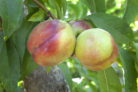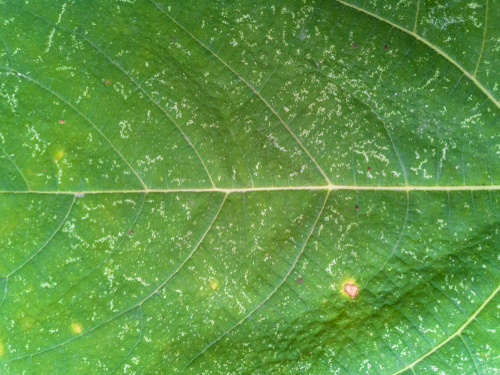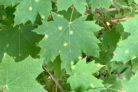
If you’re growing nectarines, there’s one backyard villain you really need to watch out for: Peach Leaf Curl. This pesky fungal infection loves to take over during those chilly, damp winter months. Let’s break down the warning signs and what you can do to save your tree.
What is Peach Leaf Curl?
Peach Leaf Curl is a common fungal disease that doesn’t just target nectarines—it’s also a major headache for peach, apricot, and almond trees. It thrives when the weather stays cool and wet, waiting for the perfect moment to strike.
Spotting the Symptoms
Wondering if your nectarine tree is under attack? Keep an eye out for these telltale signs:
- Leaves look twisted, puckered, or deformed before eventually falling off.
- You’ll see distinct yellow-green or reddish blisters and swollen bumps on the foliage.
- New shoots look stunted or “bunched up” rather than growing long and healthy.
What Causes It?
The culprit here is a fungus that infects the tree during the winter. This fungus is a tough survivor; it can handle freezing temperatures and starts spreading to other trees as soon as the thermometer climbs above 50°F (10°C).
It spreads incredibly fast. The fungus splits into tiny cells that hitch a ride on raindrops, allowing it to wash over the entire tree and even jump to your neighbor’s garden.
Why It’s a Problem
It’s not just about ugly leaves. When a nectarine tree loses its foliage to Peach Leaf Curl, it becomes much more vulnerable to frost damage because it lacks its natural protective canopy. Plus, since the blossoms and young fruit often drop off, you can pretty much kiss your harvest goodbye for the season.
How to Fight Back
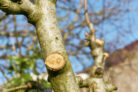
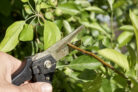
If you notice an infection, your first move should be to prune away as many affected shoots and branches as possible. Pro tip: Do not put these clippings in your compost pile! Toss them straight into the trash so the fungal spores don’t hang around your garden.
For a more natural approach, horsetail extract is a fantastic remedy. It’s effective at fighting off the fungus and works great as a preventative spray to keep the tree strong.
Preventative Measures
While you can’t always 100% stop Peach Leaf Curl from showing up, you can definitely make your tree a harder target. Using natural plant strengtheners or specific fungicides can boost your tree’s “immune system,” making it much more resilient. Give the entire tree a thorough spray in late winter, and be sure to repeat the process a few weeks later to keep those spores at bay.