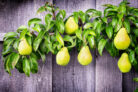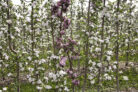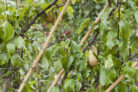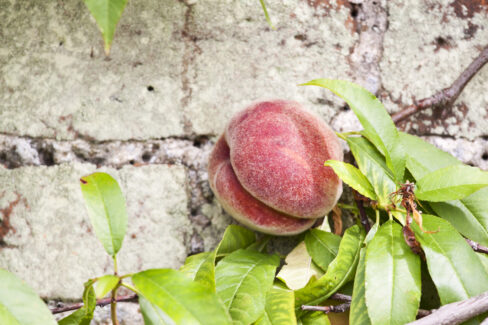
Peaches, nectarines, and apricots definitely love soaking up the sun in warmer regions with long growing seasons. But here’s a pro tip: you don’t need a massive orchard to enjoy them! These stone fruits actually do great in containers right on your patio or balcony.
Why You’ll Love Growing Espalier Fruit
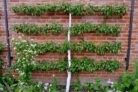
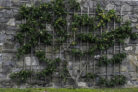
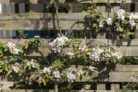
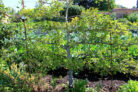
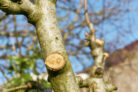
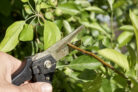
Now, training a tree into an espalier (that’s just a fancy word for growing it flat against a frame or wall) does take a little extra TLC, but the payoff is totally worth it. The secret sauce is staying on top of your regular pruning.
- Espalier trees are surprisingly heavy producers.
- You can often start harvesting your first homegrown fruit by the second year.
- No ladders required! You can pick everything at a comfortable standing height.
- They make a gorgeous living privacy screen or hedge.
- A low-level espalier works perfectly as a decorative border along a garden path.
- They are huge space-savers, making them a dream for small backyards.
- You can even grow a peach tree as an espalier in a large pot on your balcony.
Getting to Know Your Peach Trees
While peaches crave warmth, they actually need a “chill period” in the winter to reset for the next season. Nektarines are early bloomers, often popping up in late winter, so you’ll want to protect those delicate blossoms from late frosts. This is where container gardening shines—if a freeze is coming, you can just wheel your tree to a sheltered spot! If you’re planting in the ground, a south-facing wall is the gold standard for keeping your tree cozy.
Picking the Perfect Spot and Feeding Your Tree
Before planting, give your soil a boost by mixing in some well-rotted compost. Every spring, give it another layer of compost and some mulch to keep the roots happy. If you’re growing in pots, don’t forget to fertilize in both spring and summer—believe it or not, a good tomato fertilizer works wonders here! And of course, keep that watering can handy during those scorching summer dry spells.
Dealing with Pests and Diseases
The biggest headache for peach growers is a fungus called Peach Leaf Curl. It makes the leaves look bubbly and distorted before they eventually drop off. You can treat it with a copper-based fungicide, but prevention is even better. The best trick? Keep the tree dry from mid-winter through mid-spring. Protecting it from excessive rain and frost during those months—maybe with a simple temporary lean-to—can make a world of difference for your tree’s health.