Because it’s such a tough, resilient shrub, privet (Ligustrum) rarely deals with diseases, pests, or fungi. However, every once in a while, a fungus might try to take hold. The good news? Treating it is usually quick and easy.
Symptoms of a Fungal Infection
It’s pretty rare for privet to be bothered by diseases, pests, or fungi. But if your hedge is feeling under the weather, you’ll usually notice these signs:
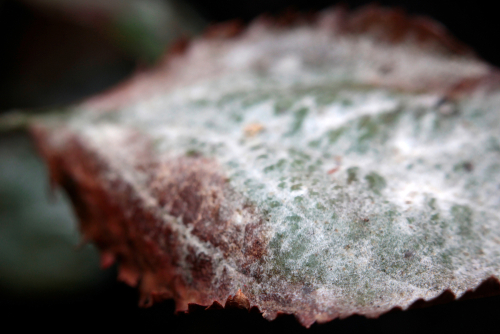
- A white, powdery coating on the leaves
- Yellowing leaves
- Spots on the foliage
- Leaves dropping off in the middle of summer
The Most Common Types of Fungus
If your privet does have a fungal issue, it’s likely one of these two culprits:
- Powdery mildew
- Leaf spot fungus
Dealing with Powdery Mildew
Powdery mildew usually shows up during those warm, humid summer months. You’ll recognize it by that signature white, flour-like coating on the tops of the leaves.
Dealing with Leaf Spot Fungus
Leaf spot fungus is exactly what it sounds like—you’ll see distinct spots forming on the foliage. It can also cause the leaves to turn yellow and drop prematurely during the summer.
Why You Usually Don’t Need to Panic
In most cases, you don’t actually need to do much to fight a fungal infection. Healthy, established privet plants are usually strong enough to handle it on their own. Plus, once the leaves drop in the fall or winter, the fungus typically disappears along with them.
If the infection looks particularly bad, you can give the affected branches a hard prune. Don’t worry—privet is a fast grower, and it will come back even thicker and stronger next spring.
I generally recommend skipping the chemical sprays; they’re usually unnecessary and can sometimes do more harm than good if not used perfectly. A classic DIY remedy is spraying the leaves with a diluted milk mixture. It can help, but let’s be honest—if you have a long hedge, that’s going to take a lot of time and effort!
How to Prevent Fungal Issues
Since fungal spores are mostly carried by the wind, there’s no foolproof way to prevent them entirely. Your best bet is to keep your privet healthy and vigorous so it can naturally resist any “uninvited guests.” If you do notice infected leaves on the ground, toss them in the trash rather than the compost pile. Also, make sure to clean your gardening tools regularly so you don’t accidentally spread the fungus to other shrubs in your yard.