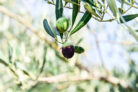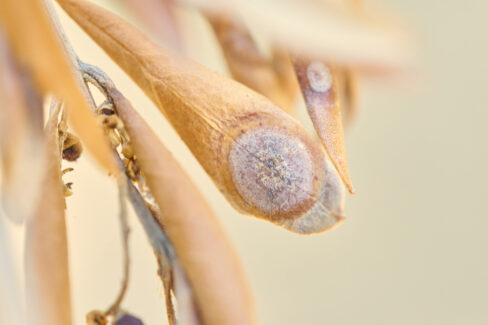
Olive trees are famous for their slow growth and incredible longevity—some of these beauties can live for hundreds of years! They owe that long life to their natural toughness, at least when they’re hanging out in their native Mediterranean home. However, here in cooler climates, the harsher weather can stress them out, making them a bit more vulnerable to pesky fungal infections.
A Common Culprit: Peacock Spot Disease
One of the most frequent issues we see with olive trees in cooler regions is Peacock Spot disease. You’ll know your tree is dealing with this illness if you start seeing brown spots with distinct yellow halos on the leaves—they look a bit like the “eyes” on a peacock’s tail. This is caused by a fungus officially known as *Spilocaea oleagina*.
The Stages of Peacock Spot
If left unchecked, Peacock Spot can move through several stages, and in the worst-case scenario, it can actually kill the tree. Here’s what to look out for as it progresses:
- The infection usually starts at the tips of the leaves.
- Those spots start small but will grow larger over time.
- Heavily infected leaves will eventually turn yellow and drop off.
- If it keeps spreading, entire branches can die back.
How to Treat It
You’ll usually start seeing the symptoms in spring or early summer, but here’s the kicker: the actual infection often happened months or even years before the spots showed up! That’s why you’ve got to act fast once you spot it. First, prune away and dispose of any infected leaves. Whatever you do, don’t put them in your compost pile, or you’ll just spread the fungus around your garden. Next, you’ll want to use a fungicide—copper-based treatments are usually the gold standard for getting this under control.
Other Fungal Issues to Watch For
While Peacock Spot is the big one, it’s not the only fungus that likes olive trees. Another one to keep on your radar is *Mycocentrospora cladosporioides*. If your tree catches this, the leaves will usually turn yellow first and then develop tiny black speckles. Just like with Peacock Spot, your best bet for saving the tree is a good fungicide treatment.