Nectarine trees are actually pretty tough, but let’s be real: they aren’t naturally built for our freezing winters. The good news is that you don’t always have to lug them indoors to keep them safe. With a few pro tips, you can boost your tree’s natural defenses and help it survive the cold like a champ.
Are Nectarine Trees Winter-Hardy?
Since nectarines originally hail from much warmer climates, they aren’t exactly best friends with frost. However, they do have a built-in level of grit that makes them surprisingly resilient and nearly winter-proof. Just keep in mind that exactly how much cold they can handle depends a lot on the specific variety you’re growing.
Protecting the Roots
The roots are the heart of your tree, and they’re pretty sensitive to the deep freeze. If your tree is planted in the ground, the soil does a decent job of insulating them, but a little extra help goes a long way.
I recommend covering the ground around the base of the tree with a thick layer of organic mulch. You can use bark mulch, humus, fallen leaves, brushwood, or compost. This “blanket” doesn’t just block out ground frost; it also helps keep the moisture levels steady so the roots don’t dry out.
The Danger of Late Frost
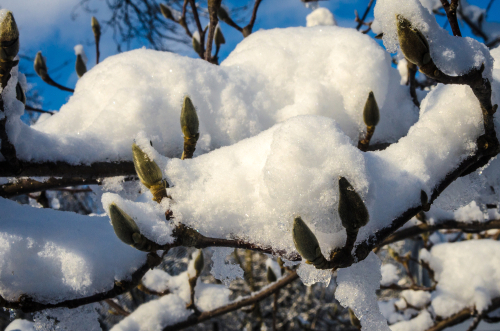
The real villain in the nectarine story is the late spring frost. If your tree has already started blooming and a sudden freeze hits overnight, those delicate blossoms can die off—and that means no fruit for the season. If you hear a frost warning and your tree is already flowering, play it safe and cover the branches with some garden fleece or a burlap sack.
Finding the Perfect Winter Home
If you’re growing your nectarine tree in a pot or container, your best bet is to move it into a protected winter quarter. You’re looking for somewhere frost-free and dry. Light is also key—bright spots are much better than dark corners. Avoid keeping them in your heated living room, though; it’s just too warm for them to go through their natural cycle. Instead, try:
- The garage
- A bright basement room
- A tool shed or garden shack
- An unheated greenhouse
- A sunroom or conservatory
Winter Care Tips
Even when your tree is “sleeping,” the root ball should never completely dry out. Whether your tree is in a pot or out in the yard, make sure to give it a drink every now and then. Just be careful not to overwater—standing water is a recipe for root rot. Also, you can put the fertilizer away for now; they don’t need any extra nutrients during the winter.
If your only storage option is a dark basement or garage, try to set up some grow lights to keep the tree happy.
Finally, don’t forget to check in on your tree occasionally. Keep an eye out for any sneaky pests or signs of disease so you can catch them before spring arrives!