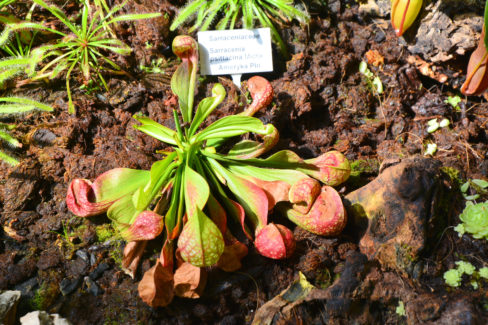
Pitcher plants, or *Nepenthes*, are protected species in the wild almost everywhere on the planet. But the good news? You can totally grow these fascinating beauties right in your own home! If you want your pitcher plant to thrive, the secret is all in the soil—or more accurately, the substrate.
Skip the Standard Potting Soil
First rule of thumb: never, ever use your typical garden soil or store-bought potting mix. These mixes are packed with fertilizers and nutrients that are great for petunias but will actually harm a *Nepenthes*. These carnivorous plants have evolved to live in nutrient-poor environments, so they need a very specific “lean” diet.
Specialized Carnivorous Plant Soil
The easiest way to go is to pick up a bag of specialized carnivorous plant soil. You can find this at most local garden centers or online. If you’re looking for a budget-friendly alternative, high-quality orchid bark or orchid mix can also do the trick in a pinch.
Mixing Your Own Substrate
If you’re a DIY gardener, you can definitely whip up your own custom mix. The goal is to create a medium that is loose, airy, and well-draining, but holds zero nutrients.
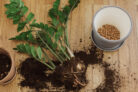
Start with white peat (sphagnum peat moss) as your base. To keep things light and airy, you can mix in some small perlite or styrofoam beads. To help manage moisture without waterlogging the roots, add in materials like fine gravel, expanded clay pebbles, coconut husk fiber, or quartz sand.
What Makes a Great Substrate?
Whether you buy a pre-made mix or play scientist and blend your own, your *Nepenthes* will be happy as long as the substrate meets these four criteria:
It should be:
- Loose and airy
- Well-draining
- Nutrient-poor (low fertility)
- Slightly acidic (low pH)
The Sphagnum Debate
You’ll often hear orchid lovers rave about Sphagnum moss, but its use in pitcher plant soil is a bit of a hot topic. While some growers love it, others avoid it. One pro-tip: try to avoid mixing Sphagnum moss directly with peat. The two tend to clump together and get “mucky,” which ruins that airy, loose texture your plant needs to breathe.
Starting from Seed
If you’re adventurous enough to try growing Nepenthes from seed, you have a few options for a “nursery” substrate:
- Pure peat
- Live Sphagnum moss
- Cellulose (paper towels/tissue)
- Coco coir (Kokohum)
Don’t Forget Drainage
Since *Nepenthes* love humidity but hate “wet feet,” drainage is key. Always make sure your pot has a solid drainage layer at the bottom. A layer of gravel or expanded clay pebbles (LECA) before you add your soil mix will prevent water from pooling at the bottom and causing root rot.
Time for a New Home
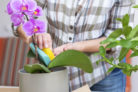
Keep an eye on your plant’s growth! *Nepenthes* should be repotted into larger containers at regular intervals. When you move them to a bigger pot, always give them a fresh batch of substrate to keep them growing strong.