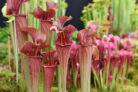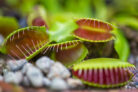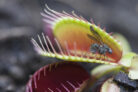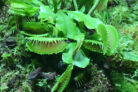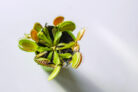
Carnivorous plants come in all sorts of shapes and sizes, each with its own unique way of catching a snack. While some use “snap traps” or sticky leaves, others have evolved into clever pitfall traps that look like deep chalices or pitchers. Once an insect wanders in, there’s usually no way back out!
Nature’s Living Pitchers
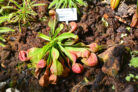
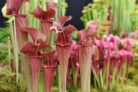
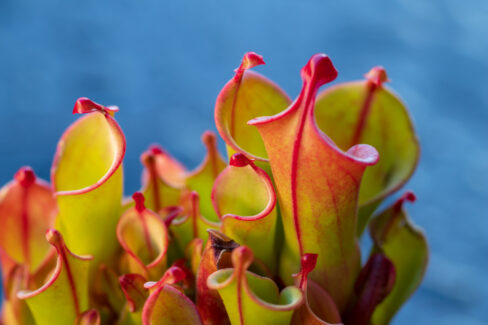
Take the North American Pitcher Plant (*Sarracenia*), for example. Its “pitchers” are actually specialized leaves that have rolled up and fused together to form long, elegant tubes. Then you have the Sun Pitcher (*Heliamphora*), which creates similar tube-like traps. The main difference? Unlike the North American varieties, Sun Pitchers don’t have “hoods” covering the openings.
The third famous member of this group is the Tropical Pitcher Plant (*Nepenthes*). These plants grow actual hanging jugs or carafes. When an unsuspecting bug slips inside, it falls into a pool of digestive enzymes at the bottom, where the plant slowly breaks it down for nutrients.
How They Lure Their Prey
To get bugs to actually tumble into these funnels, these plants have to offer a little “bait.” Most pitcher plants use sweet nectar to entice their visitors.
Interestingly, some species have evolved to target very specific types of guests. While many focus on nectar-loving insects, others emit scents that mimic decaying fruit or even rotting meat to attract flies and beetles. This clever specialization ensures that different carnivorous plants aren’t always competing for the same meal.
Caring for Your Carnivorous Plants
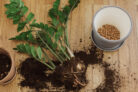
Here’s a pro tip: when you grow these plants at home, they don’t actually *need* to eat insects to survive. Most high-quality potting mixes provide enough nutrients through the roots. Think of the nutrients from digested insects as a multivitamin rather than a main course. Because of this, using the right carnivorous plant soil is key. You’ll also want to repot them once a year to keep them happy.
As long as you’re repotting annually, you can skip the fertilizer entirely. The most important thing to remember is moisture. Since many of these plants naturally grow in bogs, they need a constant supply of fresh water. The best way to water them is the “tray method.” Just fill the saucer with about an inch of water. Once the soil has soaked it all up, wait two or three days, then fill the saucer again.