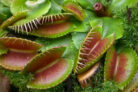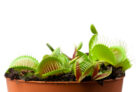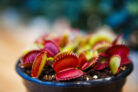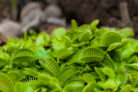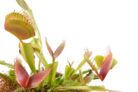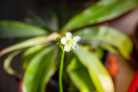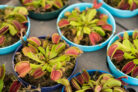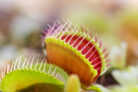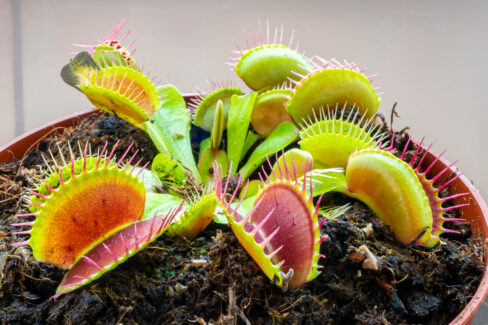
The Venus Flytrap is a unique little plant that doesn’t play by the same rules as your typical houseplants. It needs soil that is low in nutrients and much airier than your standard potting mix or garden soil. While you can easily find specialized “carnivorous plant soil” at the store, you can also have some fun mixing up your own substrate at home.
The Right Soil for Your Venus Flytrap
Carnivorous plants are a bit picky when it comes to their “dirt.” Actually, to be precise, they prefer soil that has almost no nutrients at all! In their natural habitat—the wetlands of the Carolinas in the southern U.S.—they evolved to survive in nutrient-poor soil. This is exactly why they catch bugs for “food” instead.
Whatever you do, don’t use regular garden soil or potting mix. These are packed with fertilizers that will actually overwhelm and harm your plant. Plus, Venus Flytraps need a very loose, airy environment for their roots, which heavy potting soils just can’t provide. Your best bet is to grab a bag of specialty carnivorous plant soil or mix your own custom blend.
Mixing Your Own Substrate
If you want to DIY your soil, you’ll need organic materials that are lime-free and provide plenty of aeration. Here are some great ingredients to work with:
- Sphagnum peat moss
- Live sphagnum moss
- Perlite or fine gravel
- Quartz sand
- Expanded clay pebbles
A good rule of thumb is to aim for a mix that is about two-thirds peat moss and one-third drainage material (like sand or perlite). If the mix still feels a bit too dense, some growers even toss in a few styrofoam bits to keep things extra light.
Pro tip: Plan on repotting your Venus Flytrap once a year. Peat moss breaks down over time and loses its fluffiness, so a fresh batch of soil every spring keeps those roots happy and breathing.
Alternatives to Specialty Soil
If you’re in a pinch and can’t find specialty carnivorous soil or the ingredients to mix your own, orchid bark/soil can work as a temporary substitute. However, be a label detective! Make sure the orchid mix doesn’t have added fertilizers. If the nutrient levels are too high, your Venus Flytrap won’t be able to handle it.