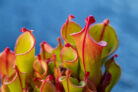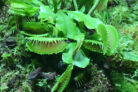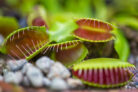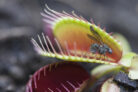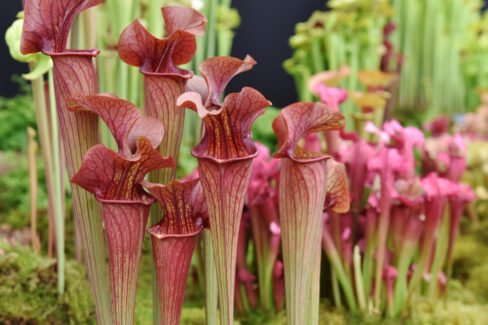
Carnivorous plants are incredibly creative when it comes to luring their prey into a trap. Some species have evolved to grow long, funnel-shaped leaves that act like a pit of no return. Once an insect wanders inside, the walls are so slick and waxy that they just keep sliding further down until there’s no getting out.
Species with Funnel-Shaped Traps
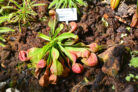
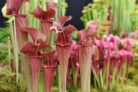
These funnel-style or goblet-shaped traps are technically known as “pitfall traps.” Essentially, the plant’s leaves roll up and fuse together to create a hollow cavity. Because the interior walls are incredibly smooth and the funnels are quite narrow, trapped bugs find it impossible to get a grip or climb back out.
Because of this design, these carnivores usually catch crawling insects or bugs that are just large enough that they can’t fully spread their wings to fly away once they’ve fallen in.
A few popular carnivorous plants with funnel leaves include:
- Sun Pitcher (Heliamphora)
- Trumpet Pitcher (Sarracenia)
- Cobra Lily (Darlingtonia)
Insects as a Nitrate Source
Once a bug is trapped, the plant gets to work producing digestive enzymes to break down the insect. This allows the plant to absorb nitrates, which is a survival tactic from the wild where the soil is usually devoid of nutrients or fertilizer.
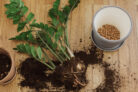
However, if you’re growing these beauties as houseplants, they don’t actually *need* to eat bugs to survive. Most high-quality carnivorous plant potting mixes come pre-loaded with all the essential nutrients they need for about a year. This is why it’s so important to repot your plants in fresh substrate every single year.
Caring for Your Carnivorous Plants
Beyond that annual repotting, the biggest thing your plants need is plenty of water. The best way to water your carnivores is using the “tray method.” Just fill a saucer or decorative pot with about an inch (2 cm) of water. Make sure to use rainwater or distilled water—most of these plants hate lime and minerals because their natural habitats are very acidic.
The soil will soak up the water as needed. Once the saucer is dry, give it about two or three days of “breathing room” before you refill it again.
One thing you can cross off your to-do list? Fertilizing. As long as they have nutrient-rich substrate, they’re good to go. You also don’t need to worry about “feeding” your funnel plants insects; while it’s fun to watch, indoor plants get plenty of what they need from their soil, making those extra bug-nitrates totally optional.