Most of us can recognize a stinging nettle leaf from a mile away—usually because we learned the hard way as kids! That first “sting” is a memory that tends to stick with you. But don’t let those prickly leaves scare you off; once you get to know them, you’ll realize they are actually one of the most useful plants in the garden.
The Basics
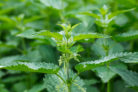
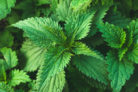
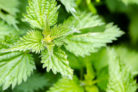
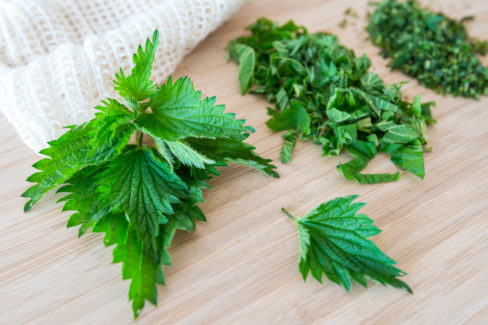
Whether you’re looking at the “Great” (Stinging) Nettle or the “Small” Nettle, they usually share a few signature looks:
- A vibrant, lush green color
- An elongated, heart or egg shape
- Jagged, saw-toothed edges
- Tiny stinging hairs on the undersides
While most nettles have these stinging hairs on the bottom and bristly hairs on the top, there are some regional varieties—like the Fen Nettle found in parts of Europe—that actually have smooth tops.
In the Kitchen
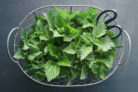
Believe it or not, nettle leaves aren’t just edible—they’re delicious! When cooked, they taste a lot like spinach, but they also add a great nutritional punch to green smoothies or salads. If you’re worried about the sting, don’t be: boiling, sautéing, or even blending the leaves neutralizes those prickly hairs completely, making them perfectly safe to eat.
As a Natural Remedy
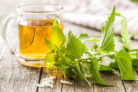
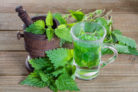
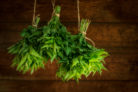
Nettles are a staple in the world of herbal medicine. Most people use the dried leaves to brew a nourishing tea. Sipping on nettle tea is a classic way to help soothe a variety of issues, including:
- Rheumatism symptoms
- Urinary tract infections
- Various types of joint pain
In the Garden
If you’ve got a patch of nettles in your yard, you’re sitting on a goldmine for your other plants. Nettle manure (or fermented nettle tea) is a fantastic organic fertilizer and a natural way to keep pests at bay. If you’re dealing with an aphid breakout, just dilute your nettle brew at a 1:10 ratio with water. You can pour it directly over the soil or use a spray bottle to target the affected leaves. It’s a total game-changer for organic gardening!