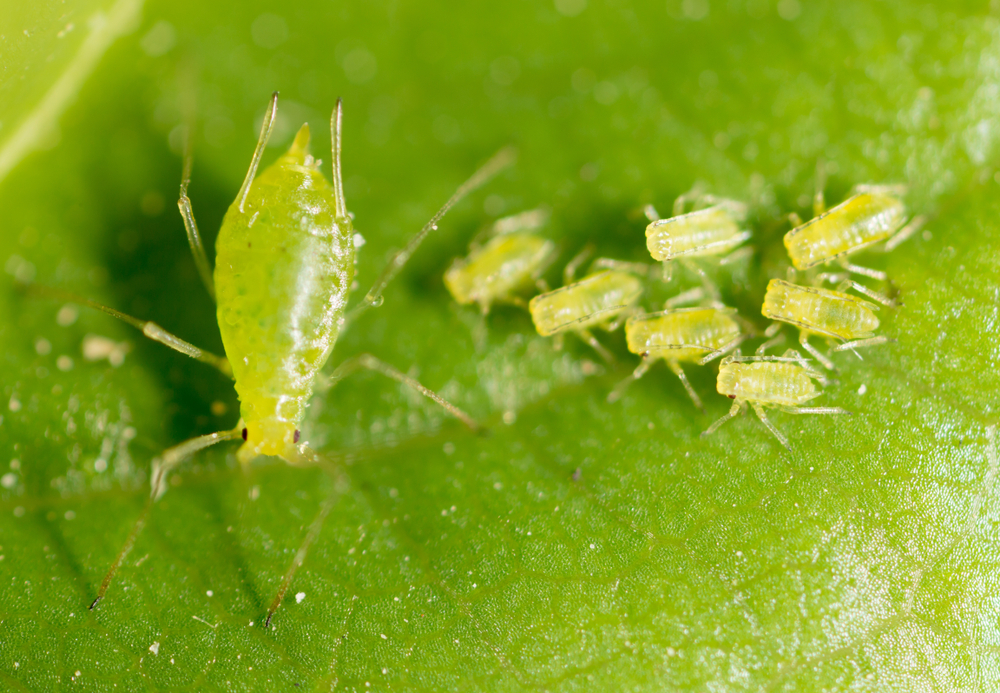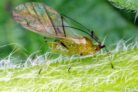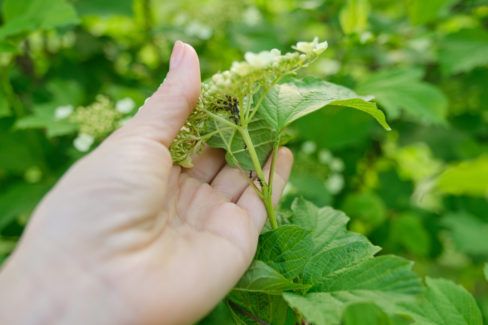
Just like with so many of our favorite garden plants, aphids aren’t shy about attacking your Viburnum. The good news? You don’t need harsh chemicals to deal with them. There are plenty of great DIY remedies that work wonders. Here are three of my favorite effective methods to get your shrubs back in tip-top shape:
- Spraying with soapy water
- Making a stinging nettle tea
- Using beneficial insects
Spraying your Viburnum with soapy water
When it comes to fighting aphids on your Viburnum, a simple soap solution is surprisingly effective. Just fill a spray bottle with water and add a few drops of dish soap or castile soap. Give your Viburnum a good soak—and I mean really drench it until it’s dripping wet. If you still see some lingering pests, just repeat the process about a week later.
Using stinging nettle tea for aphids
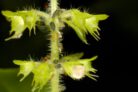
If you’re up for a little DIY project, stinging nettle tea is a fantastic organic option. Because it’s naturally toxic to aphids, it’s the perfect garden-grown remedy for this pest. Here’s how you can brew your own batch of nettle tea:
- Mix freshly picked stinging nettles with hot water at a 1:10 ratio.
- Let the mixture steep for at least 24 hours.
- Strain out the plant parts and pour the liquid into a spray bottle.
- Give your Viburnum a thorough spray-down.
Keep a close eye on your shrub after the treatment. If those pesky aphids make a comeback, just whip up a fresh batch and spray it again.
Fighting and preventing aphids with beneficial insects
Beneficial insects are the unsung heroes of the garden. Not only do they help clear up a current infestation, but they also act as a natural security guard for your Viburnum. These “good bugs” are natural predators that will do the heavy lifting for you:
- Ladybugs
- Earwigs
- Lacewings
- Parasitic wasps
To keep these helpers around, you’ll want to make your garden feel like home. Try placing a clay pot filled with straw or wood wool near the affected plant. Planting hedges, wild herbs, and nectar-rich flowers will also encourage these beneficial bugs to stick around and keep the aphid population in check.